How to grow globe amaranth? A detailed guide to planting methods
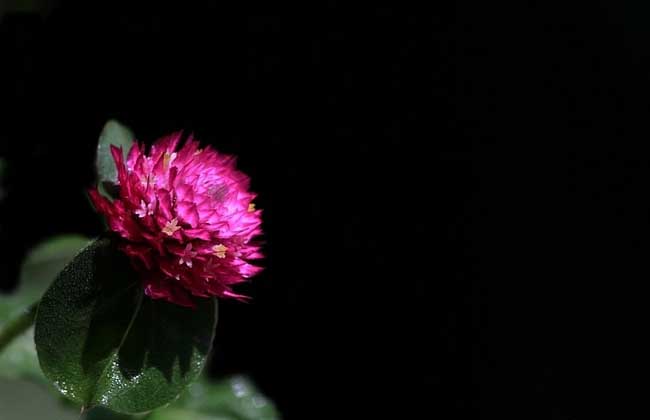
Globe amaranth, also known as bachelor's button and fireball flower, is an annual upright herbaceous plant of the genus Gomphrena in the Amaranthaceae family. It is native to tropical America and is a common flower in tropical and subtropical regions. Its flowers are brightly colored and glossy, and after drying they do not wither and remain unchanged for a long time. Besides being used in flower beds and as potted plants, it can also be used for decorative items such as wreaths and flower baskets. Let's take a look at the planting methods for globe amaranth!
Globe amaranth growing habits
Globe amaranth is originally a common flower in tropical and subtropical regions, and it is widely grown south of the Yangtze River in China. It is not strict about environmental requirements, likes sunlight, is robust by nature, matures early, tolerates dry heat and drought, is not cold-tolerant, and fears waterlogging. It prefers loose, fertile soil. The optimum growth temperature is 20-25°C, and it also grows well within the range of 35-40°C. In winter, when the temperature falls below 10°C, the plant grows poorly or suffers cold damage. It is robust by nature and tolerant of pruning; after flowering, pruning can stimulate new branches to sprout and continue blooming. The flowering period is from July to October.
Globe amaranth propagation methods
1. Seed propagation: Collect globe amaranth seeds from September to October, sow from April to May, and transplant in June. The seedlings grow slowly. Sow in open-field seedbeds from April to May in spring, with an optimum sowing temperature of 20-25°C. Because the seeds are covered with fine hairs, emergence is slow. To encourage faster emergence, carry out pre-germination treatment before sowing. For the seedbed, choose a plot of sandy loam with sufficient sunlight, a high groundwater table, good drainage, and loose, fertile soil. After sowing, cover lightly with soil, keep the temperature at 20-25°C, and seedlings can emerge in about 10-15 days.
2. Cutting propagation: For globe amaranth cuttings, cut healthy shoot tips in June to July, about 3-6 cm long, preferably with 3-4 nodes. Remove the leaves from the internodes that will be inserted into the soil to reduce water evaporation from the leaf surface. Insert into a sand bed, keep the temperature at 20-25°C, and after insertion they can be transplanted into pots in 18-20 days. If the temperature is below 20°C, the number of days for rooting will be delayed by 5-7 days.
Globe amaranth planting methods
1. Timely fertilization: In addition to using decomposed chicken manure as a base fertilizer at planting time, globe amaranth should also be given a dilute liquid fertilizer rich in phosphorus and potassium once every half month during the vigorous growth stage.
2. Reasonable watering: Globe amaranth likes a slightly moist, on the dry side soil environment and is relatively drought-tolerant. Therefore, after the young seedlings grow new leaves again, watering should be controlled appropriately. After the plant's flower buds differentiate, watering should be appropriately increased to facilitate normal flower growth.
3. Light management: Globe amaranth likes a sunny environment. During cultivation, ensure the plant receives no less than 4 hours of direct sunlight per day. The cultivation site must not be too shaded, otherwise the plant will grow slowly and the flower color will be dull.
4. Timely pinching: When globe amaranth seedlings reach 15 cm in height, pinch once to encourage branching. Afterward, whether to pinch a second time can be decided according to the growth situation.
5. Shaping and pruning: When shaping and pruning globe amaranth, attention should be paid to rounding the plant into shape so that it has higher ornamental value. After the plant takes shape, pinching the branches can effectively control the flowering period.
6. Flowering period management: After globe amaranth flowers open, just keep the potting soil slightly moist. Be careful not to spray water on the flowers, stop applying additional fertilizer, and maintain normal light. After flowering, prune promptly so that new branches can grow and bloom again.
7. Disease control: Globe amaranth is prone to damping-off disease during the seedling stage. For control, 5-6 days before sowing, treat the seedbed with a 1500-fold dilution of Likuoning, or use a 1000-fold dilution of Likuoning to drench the roots of diseased plants.