How to Grow Boston Ivy from Seed? A Detailed Guide to the Planting Method
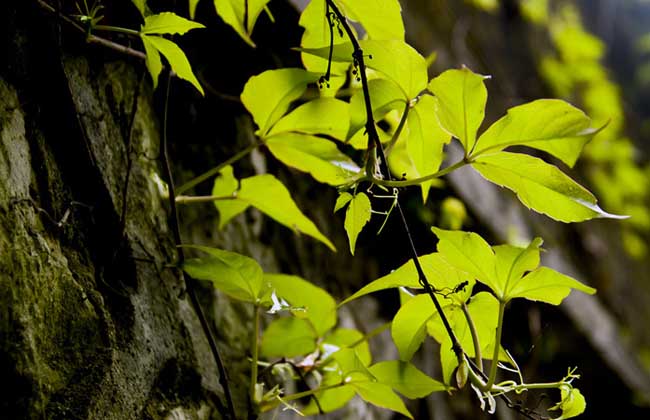
Boston ivy (Parthenocissus tricuspidata) is one of the most widely used climbing plants in landscaping and has been extensively applied in greening projects, especially playing a pivotal role in vertical greening. It not only achieves greening and beautifying effects, but also serves to increase oxygen, lower temperatures, reduce dust and cut noise. Let's take a look below at how to grow Boston ivy from seed!
Seed Treatment
In September, when the berries ripen and turn purplish-blue, harvest them immediately. After washing and drying in the shade, disinfect the surface with a 0.05% carbendazim solution. After draining, store them in moist sand stratification. By early March of the following year, soak the seeds in 45°C warm water for two days, changing the water twice daily. Then mix them evenly with moist sand at a seed-to-sand ratio of 2:1 and place the mixture in a sunny, wind-sheltered spot. Cover with straw bags and spray with fine water frequently to keep moist. After about 20 days, when 20% of the seeds have sprouted white, they are ready for sowing.
Sowing Method
Before sowing Boston ivy seeds, first break up and level the seedbed, then water it thoroughly. Sow the seeds together with the sand on the bed surface at a sowing rate of 100 grams per sq m. Cover with a 1 cm layer of loose forest humus soil, then set up a small arch shed covered with polyethylene plastic film.
Seedling Management
After the cotyledons of Boston ivy emerge, the film should be uncovered during the day and covered at night on sunny days, and kept covered all day on cloudy and rainy days, to raise soil temperature, promote uniform seedling emergence, and prevent damage from scarab beetles. In addition, water frequently to keep the soil moist.
Transplanting Management
After three true leaves have unfolded on the Boston ivy, transplant on a cloudy day or after 3 p.m. at a density of 1×1 chi. Immediately after planting, water once with diluted manure water (1:8). During the plum rain season, never let water accumulate for too long. After two months, the vines generally grow to more than 60 cm. At this point, carry out the first pinching to prevent the vines from tangling with each other and blocking light, and to encourage thick, sturdy vine seedlings. Pinch once a month, combined with supplementary feeding. With the above measures, by the leaf-fall period, the average thickness of seedling vines can reach more than 0.5 cm, and they are ready to be lifted from the nursery for planting.
Reasonable Fertilization
During the growing season, Boston ivy can be given liquid fertilizer 2 to 3 times as a top dressing, and weeding and loosening the soil around it should be done regularly so it is not smothered by weeds, promoting healthy growth. It is intolerant of waterlogging, so take care to prevent water from accumulating in the soil. It tolerates pruning well; during growth, the branches and vines around doors and windows can be trimmed as needed to keep things tidy, attractive and convenient.
Summary: That is all for how to grow Boston ivy from seed. During cultivation, watch out for powdery mildew, leaf spot, anthracnose, aphids and other problems. One-year-old Boston ivy seedlings can reach a height of one meter. When planting at the base of a house, building wall or courtyard wall, dig the hole 50 cm away from the wall base, with a plant spacing of generally 1.5 m. On a building balcony, it can be grown in pots, with the pot placed close against the wall so the vines quickly cling to the wall.