How to plant Boston ivy so it grows well? A detailed guide to the planting method
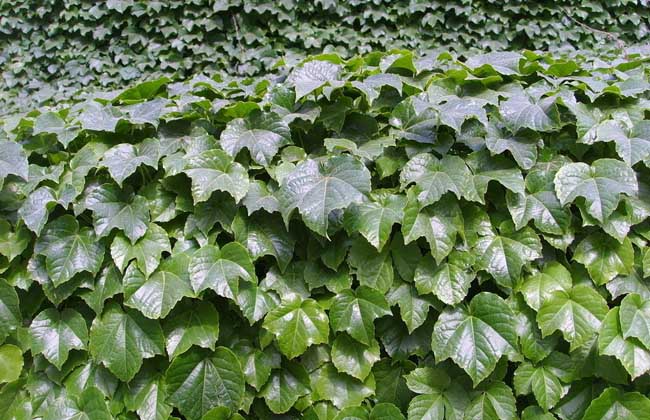
Boston ivy is also known as climbing ivy, Japanese ivy, false grape vine, red silk grass, iron railing, and so on. It is a perennial large deciduous woody vine of the genus Parthenocissus in the grape family, and its form is similar to that of wild grape vines. It has already been widely used in landscaping, especially playing a pivotal role in vertical greening. Now let us take a look at how to plant Boston ivy!
The growth habits of Boston ivy
Boston ivy has strong adaptability. It prefers shady and humid environments, but is not afraid of strong light. It is cold-tolerant, drought-tolerant, and tolerant of poor soil, with wide climatic adaptability. South of the warm temperate zone, it can also remain semi-evergreen or evergreen in winter. It tolerates pruning and fears waterlogging. It is not strict about soil requirements and can grow vigorously in both shady and humid environments or sunny spots, but it grows best in shady, humid, and fertile soil. It has strong resistance to harmful gases such as sulfur dioxide and hydrogen chloride, and has the ability to absorb dust from the air.
Propagation methods for Boston ivy
1. Sowing method: After harvesting, rub off the fruit peel and flesh from the seeds, wash them clean, dry them in the sun, and then store them in damp sand at low temperature for one winter. Keeping them warm and moist helps promote germination. In early spring of the following year, in the first or second ten days of March, they can be sown in the open field, covered with plastic film, and seedlings can emerge in early May. After 1 to 2 years of cultivation, they can be lifted from the nursery.
2. Cutting method: In early spring, cut 20 to 30 cm sections of stems and vines and insert them into an open seedbed, then water them and keep them moist. They will soon sprout vines and survive. In summer and autumn, softwood cuttings with leaves can also be used, with shading and watering for care, and they can also quickly send out new branches with a relatively high survival rate. Hardwood cuttings are carried out from March to April. Cut hardwood branches into 10 to 15 cm sections and insert them into the soil, water them thoroughly, and keep them moist. Softwood cuttings use new branches of the current year and are carried out in summer.
3. Layering method: Boston ivy can be propagated by the wave layering method. It is carried out in the rainy season on cloudy and humid days, with a high survival rate. In autumn, they can be separated and transplanted, and planted in the field the following year.
How do you plant Boston ivy well?
1. Seed treatment: In September, when the berries ripen and turn purplish blue, harvest them immediately. After cleaning and drying in the shade, disinfect the surface with a 0.05% carbendazim solution. After draining, store them by stratification in damp sand. By the first ten days of March of the following year, soak the seeds in 45°C warm water for two days, changing the water twice a day. Then mix them evenly with damp sand at a 2:1 ratio of sand to seeds, place them in a sunny and wind-sheltered spot, cover with straw bags, and spray fine water frequently to keep them moist. After about 20 days, when 20% of the seeds show white sprouts, they can be sown.
2. Sowing method: Before sowing Boston ivy seeds, first break up and level the sowing bed, water it thoroughly, and sow the seeds together with the sand on the bed surface. The sowing rate is 100 grams per square meter. Cover with 1 cm of loose forest humus soil, then set up a small arched shed and cover it with polyethylene plastic film.
3. Seedling management: After the cotyledons of Boston ivy emerge from the soil, the film should be uncovered during the day and covered at night on sunny days, and kept covered all day on cloudy and rainy days, in order to raise the soil temperature, promote uniform emergence, and prevent damage from scarab beetles. In addition, water frequently to keep the soil moist.
4. Transplanting management: After the true leaves of Boston ivy have unfolded to three, choose a cloudy day or after 3 p.m. and transplant at a density of 1×1 chi. Immediately after planting, water once with diluted manure water (1:8). During the plum rain season, water must not be allowed to accumulate for too long. After two months, the vines generally grow to more than 60 cm. At this point, the first pinching back can be carried out to prevent the vines from tangling with each other and blocking light, and to encourage the seedlings to become thick and strong. Pinch back once a month, combined with supplementary feeding. With the above measures, by the leaf-fall period, the average thickness of seedling-grown vines can reach more than 0.5 cm, and they can be lifted from the nursery for planting.
5. Reasonable fertilization: During the growing period, Boston ivy can be given liquid fertilizer 2 to 3 times, and weeds should be hoed and the soil loosened regularly to form a border, so that it is not overwhelmed by grass and is encouraged to grow robustly. It fears waterlogging, so attention should be paid to preventing water accumulation in the soil. It tolerates pruning. During growth, the branches and vines around doors and windows can be pruned and tidied as appropriate to keep them neat, attractive, and convenient.
Summary: That is all for the Boston ivy planting methods and precautions. However, note that Boston ivy grows relatively fast and climbs relatively high. If it is planted in places such as a home balcony, in order to avoid the Boston ivy climbing into a neighbor's home and causing trouble, it is best to give the neighbor a heads-up.