A Detailed Guide to Growing and Caring for Pilea peperomioides
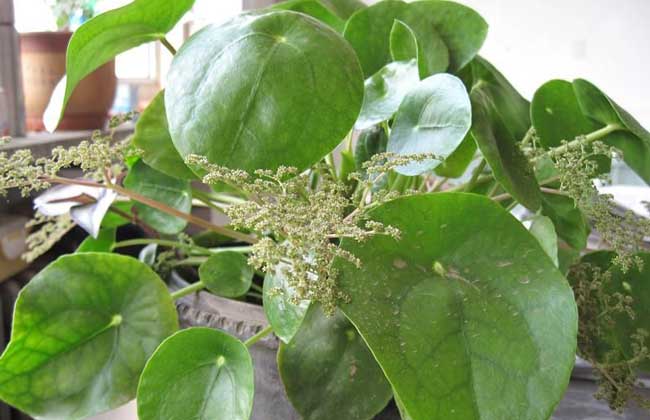
Pilea peperomioides is a perennial succulent herb in the nettle family (Urticaceae), genus Pilea. Its thick, nearly round fleshy leaves are attached by peltate leaf stalks, closely resembling the mirror in which ancient immortals gazed at their faces, which is why people affectionately call it the "mirror plant." Outside Yunnan and southern China, it is mostly grown as a potted plant in greenhouses, and it is also very suitable as a household potted plant. Let us take a look below at how to grow Pilea peperomioides!
Growth Habits of Pilea peperomioides
Pilea peperomioides prefers shade, but it also grows well in a sunny greenhouse, with an optimal growing temperature of 16-20°C. It is suited to growing in relatively moist, well-drained peat soil. It is very shade-tolerant; it can grow as long as there is enough light to read an ordinary newspaper, which makes it very suitable as a household indoor potted plant. It likes a warm, humid environment; below -4°C, chilling injury occurs, the leaves lose their gloss or even drop off. It prefers loose, well-drained loam rich in humus. You can collect humus soil from shady spots in mountain woods, or make a mix from leaf mold and peat with a little river sand, coal ash and base fertilizer added. In warm regions it flowers and sets seed easily; it is relatively cold-tolerant and can overwinter safely outdoors in the south.
Propagation Methods for Pilea peperomioides
1. Division: When side shoots newly sprouting from the base of the stem or from stem nodes have grown more than 3 leaves, cut them off with their fibrous roots, coat the wound with stove ash, then plant them in a pot with humus-rich soil, shade them slightly, spray with clean water, and they will take root in about 10 days. Alternatively, in spring and summer, insert cuttings of shoot tips into a sand bed, keep them moist with plastic film, and at a temperature of around 20°C they will root in about 10 days.
2. Cuttings: In late summer and early autumn, carefully peel off the suckers growing on the stems with a sharp blade, plant them in clusters in a moist sand bed, place them in a cool spot, and maintain high air humidity; they will root in half a month and can be potted up after 1 month. For leaf cuttings, refer to the leaf-cutting method for begonias. You can also cut the stems into small sections of about 3 cm for cuttings.
3. Sowing: In Yunnan, Pilea peperomioides can be propagated by seed. The seeds are tiny, so they should not be sown deep; deep sowing makes it hard for seedlings to emerge.
How to Grow Pilea peperomioides
1. Soil: For potted Pilea peperomioides, you can use a potting mix made from leaf mold, garden soil plus a little river sand, stove ash and bone meal. A loose, fertile, well-drained sandy loam rich in humus is best. For home cultivation, you can mix 3 parts leaf mold + 3 parts garden soil + 2 parts river sand or stove ash + 1 part decomposed organic fertilizer. When planting, use well-drained humus soil mixed with sand, and line the bottom of the pot with tile pieces to aid drainage.
2. Light: Pilea peperomioides is a shade-tolerant plant, but it also likes light. It should not be exposed to strong light; diffused light is best. If the light is too strong or too shady, the glossy sheen of the leaves easily fades or disappears; when it is too shady, the leaves also tend to become thinner, and the leaf stalks grow longer, causing the leaves to droop. When winter temperatures are low, it can be given full-sun care.
3. Temperature: The suitable growing temperature for Pilea peperomioides is between 15-20°C, and it should be kept above 7°C for overwintering; otherwise it easily drops leaves or even dies from freezing injury. When summer temperatures rise above 30°C, growth stalls and leaves easily drop. In particular, note that a sudden drop in temperature causes the leaf stems to change color and partly drop off. If leaves drop due to freezing injury but the stems are undamaged, you can manage it with routine winter care, and in the spring of the following year it can leaf out again and become a full plant. In summer, do not place it in direct strong sunlight.
4. Humidity: Pilea peperomioides likes water but fears waterlogging. You can keep the potting soil moist; drought easily causes wilting and drooping, and in severe cases the leaves develop wrinkles or turn yellow and die. It is not suited to a dry environment; the growing environment should maintain relatively high air humidity, and you should frequently spray water on the growing area and the leaves to increase humidity so that it grows well.
5. Watering: When winter temperatures fall below 12°C, reduce the frequency of watering for Pilea peperomioides; otherwise it easily rots, which is bad for overwintering. Keep the potting soil moist regularly, but avoid waterlogging, to prevent the leaves from changing color, wilting or even the stems rotting. Water by the principle of "water when dry, stop when wet"; to maintain air humidity, you can frequently mist the leaf surface. During the entire growing period, the potting soil should remain moist; in winter it can be relatively drier, but it must not become dry, otherwise the leaves easily turn withered and black. In dry seasons, spray water frequently on the leaves and surroundings to create a small humid microclimate.
6. Fertilizing: Pilea peperomioides is not tolerant of concentrated or heavy fertilizer; apply small amounts frequently, and watering with dilute fertilizer solution is most suitable. Stop fertilizing when the temperature is above 28°C or below 12°C. During the growing season, apply dilute liquid fertilizer once every half month. The whole spring and summer is the vigorous growth period for Pilea peperomioides, so strengthen fertilizer and water management, and frequently water or spray the leaves with a 0.1-0.5% potassium dihydrogen phosphate solution. During spring, supplement with a small amount of nitrogen fertilizer at irregular intervals; in summer, apply as little nitrogen fertilizer as possible or none at all. During the growing season, apply dilute liquid fertilizer once every half month, but note that too much nitrogen fertilizer causes leggy leaves and lodging of the plant, while concentrated fertilizer and raw fertilizer cause root rot or even death of the plant.
7. Pests and Diseases: Pilea peperomioides commonly suffers from anthracnose and scale insect damage. For anthracnose, spray with anthracnose-formaldehyde or carbendazim for control; for scale insects, spray with methidathion or chlorpyrifos for control. It is prone to leaf spot disease, which can be controlled by spraying a 600-fold dilution of 50% carbendazim once every ten days, for 3 consecutive sprays. When cottony cushion scale and similar pests are present, spray the leaves with a 1000-fold dilution of 40% omethoate.