This grass runs rampant in rivers and lakes, but grown in a flower pot it becomes a beautiful landscape
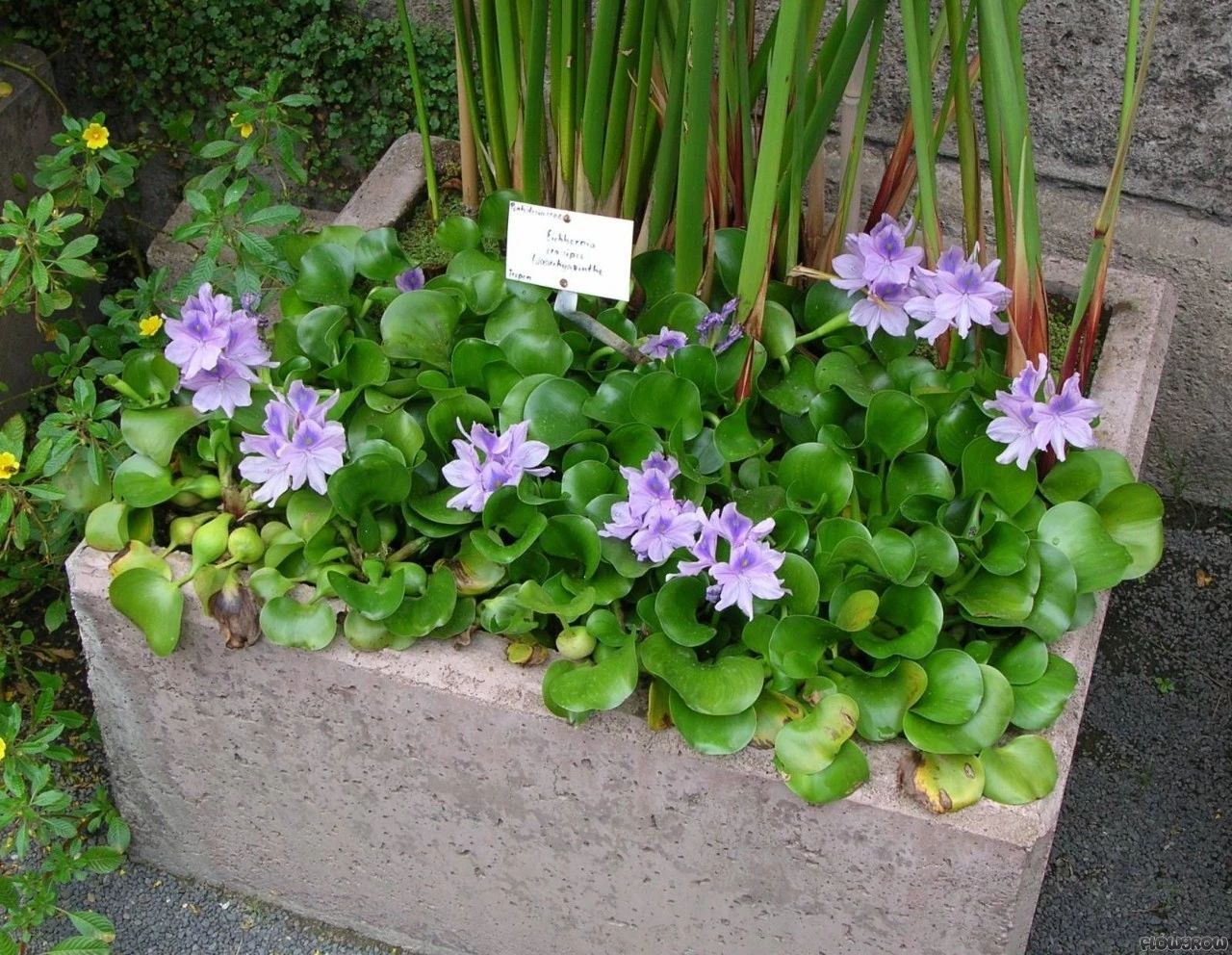
The plant to introduce below is the water hyacinth; it has many names, and among the general public it is usually called water hyacinth; if it is accidentally thrown into a pond or a river or lake, it will quickly run rampant and become a disaster, but grown in a small flower pot, it can become a bright and fresh scene; with plenty of sunlight, it can also produce charming pink-purple flowers.
During the Qing Dynasty, the water hyacinth was an ornamental flower for nobles, and it could only be seen in the homes of some high officials; it was generally grown in ponds and viewed as a landscape plant.
After the 1990s, the water hyacinth rose again and became pig feed, and it also had a certain effect in treating sewage, but people overlooked its side effects.
The water hyacinth is a plant that likes warmth and moisture all year round; in places below zero degrees, it will freeze to death in winter, while in more southern areas the water hyacinth reproduces and spreads very easily; it keeps dividing, and within just a few years it can fill an entire river or lake.
The disasters caused by the water hyacinth are all man-made; it was originally just a very ordinary aquatic ornamental plant, and we can grow it in a very small flower pot to limit its growth and turn it into a good-looking aquatic landscape plant; it likes a warm, humid, ventilated and bright environment, and the maintenance location should have plenty of light; avoid cold in winter, and when the temperature is around 5 degrees, it should be moved indoors for care.
In summer and autumn, the water hyacinth can produce charming flowers; the petals are pink, and one petal also has variegated colors, somewhat like the feathers of a phoenix, so people call it water hyacinth.
If you want to grow a hydroponic plant that just will not die, then the water hyacinth is a good choice; in the early stage of growth, you can put a little nitrogen fertilizer in the water, and within three to four weeks it can fill a large pot; placed in a spot with plenty of light, it can grow vigorously, and in summer and autumn you can see brilliant flowers; of course, do not give too much nitrogen fertilizer, otherwise the stems and leaves will grow excessively and it will not be able to bloom.
Caring for the water hyacinth is especially simple; you only need to prepare a container without holes, add enough clean water, and you can add some pond mud or silt to the pot. During the growth of the water hyacinth, give it plenty of light, add clean water promptly when the water level drops, and if green algae grows on the water surface, clean it up promptly; you can even keep some small fish in the water to prevent mosquito larvae from breeding in the water.
In summer, keep the care temperature at around 30-42 degrees and give relatively sufficient light, and then it will easily bloom.
When moving it indoors for care in winter, do not put too much water; you can leave a water level of about 5 cm. Water hyacinths you grow yourself can only be cultivated in small flower pots; avoid throwing them into ponds or rivers and lakes, otherwise the water hyacinth will quickly run rampant and become a disaster, causing catastrophic damage to the environment.