What to Do When Sedum rubrotinctum Drops Its Leaves? Causes and Solutions
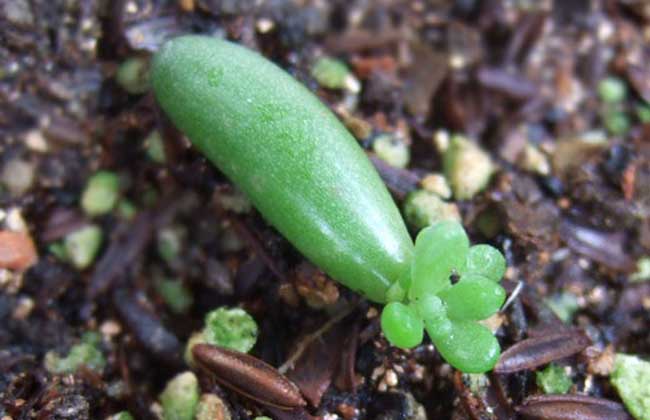
Sedum rubrotinctum, also known as "Merry Christmas" and "Earring Grass", is a perennial succulent herbaceous plant of the genus Sedum in the Crassulaceae family. The plant grows 10-20 cm tall and is heavily branched, with plump, alternate, fleshy leaves that are cylindrical to ovate, 2 cm long, and green, with a shiny surface free of white powder. Under conditions of ample sunlight, the leaves turn reddish-brown, and the small flowers are pale yellow-red. Now let us take a look together at what to do when Sedum rubrotinctum drops its leaves!
The Growth Habits of Sedum rubrotinctum
Sedum rubrotinctum is cold-resistant and not afraid of intense sun exposure. The more sun its leaves receive, the redder they become, so there is no need to shade it in midsummer, while plants grown in partial shade have bright green, glossy leaves. Sometimes, in a single pot of Sedum rubrotinctum, the leaves will be partly red and partly green depending on the intensity and duration of sunlight they receive; new leaves, due to shorter light exposure, often have red tips while the rest remains green. It prefers a warm environment with a marked day-night temperature difference and has strong adaptability to temperature, growing well between 10°C and 28°C.
What to Do When Sedum rubrotinctum Drops Its Leaves?
1. Watering: Sedum rubrotinctum grows slowly and is drought-tolerant, so it should not be given heavy fertilizer or large amounts of water. If you keep watering it, it will absolutely drop its leaves and develop root rot.
2. Light: Sedum rubrotinctum likes warmth and should be given ample light throughout the growing season. However, exposure to intense sun in summer can cause sunburn on the leaves.
3. Ventilation: Sedum rubrotinctum has few diseases, but if ventilation is poor and air humidity is high, stem rot and leaf spot disease may occasionally occur.
How to Grow Sedum rubrotinctum
1. Stem cuttings: You can use branches pruned from Sedum rubrotinctum, cutting them into 5 cm stem segments. It is best to let them dry in a cool, shaded place for 3 to 5 days, and once the cut surface is slightly dry, insert them into the seedbed.
2. Leaf cuttings: Leaf cuttings involve removing complete leaves from the stem of Sedum rubrotinctum (be careful not to damage the leaves) and letting them sit for 3 days before planting. This method has a high propagation rate and is suitable for mass propagation, but the plants take shape relatively slowly.
3. Soil: Plant Sedum rubrotinctum in loose, fertile, well-drained and aerated soil. A mix of humus soil, garden soil and sandy soil can be used.
4. Watering: Sedum rubrotinctum has a low water requirement; basically, watering 1-2 times a week is sufficient. Follow the principle of "don't water until dry, and water thoroughly when you do". When temperatures are low, reduce the amount of watering appropriately.
5. Light: Sedum rubrotinctum likes a warm environment and has a relatively high light requirement, preferring environments with strong sunlight. Therefore, you can place the plant in a bright living room or grow it on a balcony.
6. Temperature: Sedum rubrotinctum has strong temperature adaptability, and a large day-night temperature difference also benefits its growth. It grows more luxuriantly between 10°C and 28°C.
7. Fertilizing: Sedum rubrotinctum has average water requirements; basically, apply organic liquid fertilizer once a month. When fertilizing, avoid the branches and leaves as much as possible to prevent them from rotting.