How to grow colored calla lilies? A detailed guide to cultivation methods
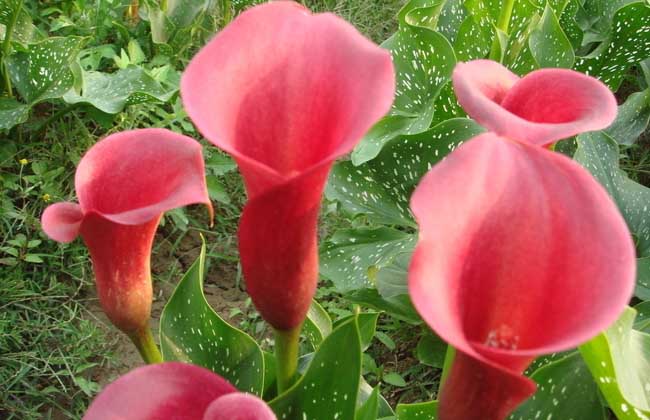
Colored calla lily is the collective name for species and hybrid varieties in the genus Zantedeschia of the Araceae family other than the white calla lily. It originated in central and southern Africa and is often used to make bouquets, flower baskets, wreaths and vase arrangements. Dwarf and small-flowered varieties are grown in pots for placing on steps, windowsills, balconies and in front of mirrors, for planting in gardens, and for clump planting beside pools or rock piles. Let us take a look below at the cultivation methods for colored calla lilies!
Growth habits of colored calla lilies
Colored calla lilies fear both cold and heat and high temperatures. In high-temperature seasons the above-ground parts wither and the underground rhizomes enter dormancy; most calla lilies go dormant during the low-temperature period in winter. If the temperature is suitable, they can flower year-round, but tubers replanted after dormancy flower most abundantly. In greenhouses in the north, the flowering period is from November to May of the following year. Cut flowers tolerate being kept in water, with an ornamental period of 15-20 days in winter and 7-10 days in summer. They require loose, well-drained, fertile or slightly clayey soil.
Propagation methods for colored calla lilies
1. Division: After the main flowering period of colored calla lilies or after the dormancy period, dig out the tubers of vigorous clumping mother plants. According to the size of the original tubers and the number of growth buds, divide one clump into 2-3 clumps (each clump must have 2-3 growth buds) and plant them separately. With normal management, they will flower in 3 months.
2. Offsets: Dig out the tubers during the dormancy period. After normal division, some smaller tubers can also be cut off. These small tubers must be cultivated in the open field for 1-2 years before they can become flowering bulbs. Before the ground freezes in autumn, prepare the land and make beds, and cultivate the offsets with ordinary garden soil. The offsets grow slowly; if a culture medium is used instead, most offsets can form flowering bulbs in the same year.
3. Sowing: Because colored calla lilies have a relatively low natural seed-setting rate, seeds are not easy to collect. If propagating by sowing, select and keep vigorous mother plants and carry out artificial supplementary pollination; seeds can be collected once mature. Sow immediately after collection; the suitable germination temperature is about 20°C, young shoots emerge in about 4 weeks, and they are transplanted when they have 2-3 true leaves. Under good cultivation and management conditions, they can be grown into flowering bulbs in two years.
Cultivation methods for colored calla lilies
1. Soil: For growing calla lilies, the potting soil should preferably be a breathable, well-drained, sandy acidic soil. It is best to place a layer of coarse sand grains at the bottom of the pot to benefit the growth of the calla lily, then mix in one third garden soil and leaf mold, and add a small amount of organic fertilizer. It is best to choose a shallow pot for planting calla lilies.
2. Temperature: Calla lilies like a semi-shaded environment; avoid placing them in strong light. The optimum temperature for calla lily growth is 22-30 degrees. Below 20 degrees, the growth rate of calla lilies slows down and may even stop growing. Calla lilies like a warm, humid environment, so when overwintering, special attention must be paid to keeping calla lilies warm.
3. Watering: Calla lilies are similar to other potted plants; watering calla lilies should be based on how dry the potting soil is. Before watering, first check the condition of the potting soil. Normally, you can spray water on the soil surface and the flowers to keep the potting soil moist. During the growth period they like sufficient moisture, so water the leaves and the ground frequently, and pay attention to keeping the leaves clean.
4. Fertilizing: Phosphorus and potassium fertilizers are suitable fertilizers for calla lilies. Fertile soil is beneficial to the growth of calla lilies, so apply thin fertilizer frequently to ensure the potting soil has enough nutrients. For those who want to save seeds, it is recommended to spray calla lilies with monopotassium phosphate solution once every 10 days after they set fruit, at a concentration of 0.1% to 0.2%.
5. Light: During growth, calla lilies relatively prefer a warm, shade-avoiding environment, but note that calla lilies at different growth stages have different light requirements. During the growth stage, calla lilies are relatively shade-tolerant. When they are in the vigorous growth period, they need abundant light conditions.
6. Disease prevention: When ventilation is poor during the growing season, calla lilies are most prone to aphid damage. When pest damage occurs, spray 40% omethoate emulsifiable concentrate diluted 1500-2000 times for control, and pay attention to improving ventilation conditions.
Precautions for colored calla lilies
1. Be careful to fertilize in the right amount: During the growth period, fertilize calla lilies once every 20 days, using decomposed soybean cake water as the fertilizer; during the peak growth season, apply more thin fertilizer, once every 10 days. Apply nitrogen, phosphorus and potassium fertilizer solution to calla lilies. Be sure to avoid pouring fertilizer water in from the leaf sheaths, as this will cause calla lilies to rot. Applying too little fertilizer may cause leaf malnutrition and yellowing, while too much fertilizer will also cause yellow leaves in calla lilies. After fertilizing, rinse with clean water.
2. Pay attention to the planting season: Calla lilies enter dormancy in June-July; at this time, the corms around mature plants can be taken off to grow new potted plants. The most suitable season for growing them is August-September. Division propagation must be done in autumn, otherwise it will be difficult for them to flower that year, and even if they do flower, the flowering period will be late.
3. When do they flower: February-April is the flowering season for calla lilies. Be careful to provide sufficient light so they can produce pure, healthy flowers. If the temperature is suitable, they can flower year-round, but tubers replanted after dormancy flower most abundantly. In greenhouses in the north, the flowering period is from November to May of the following year. Cut flowers tolerate being kept in water, with an ornamental period of 15-20 days in winter and 7-10 days in summer.
4. Management during dormancy: After the flowering period ends, calla lilies will enter dormancy. At this time, reduce the amount of watering, especially after May when the plants begin to turn yellow and wither; attention should be paid to ventilation and keeping them dry to prevent tuber rot. When the plants are completely dormant, the tubers can be taken out, dried and stored, then planted again in autumn.
5. Toxicity of calla lilies: Calla lily flowers are toxic, containing large amounts of herbaceous calcium crystals and alkaloids. Accidental ingestion can cause poisoning symptoms such as drowsiness. This species is listed as a non-toxic plant in the Chinese plant atlas database; its toxicity is that the tubers, spathes and spadices are toxic, and chewing a small piece of tuber can cause swelling and pain of the tongue and throat.
6. Promptly renew old leaves: During the vigorous growth and flowering period, if the leaves are too luxuriant, crowded and obstructive, promptly peel off the outer old leaves that have already produced flower stems and cut them off from the base. The purpose is to avoid too many leaves affecting light and ventilation, promote flower stem growth and increase yield. If there are not many old leaves but the new leaves are too vigorous, internal ventilation is poor and there are few flower stems, leaf-pulling treatment can also be carried out, gently pressing the leaves toward all sides so the clump spreads out. In this way, combined with reasonable water and fertilizer measures, flower yield can be increased.