A detailed guide to the cultivation methods of the five-needle pine, teaching you step by step how to grow it well
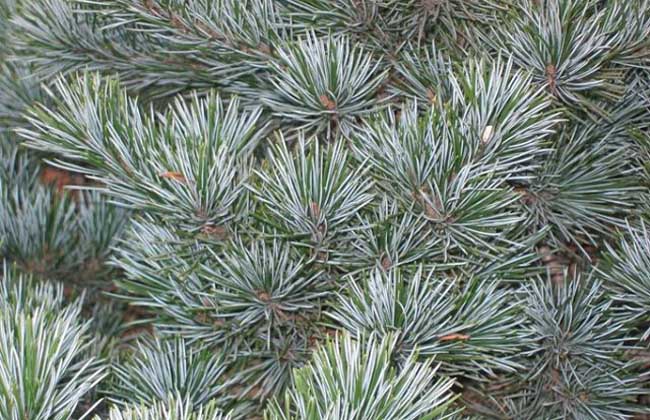
The five-needle pine is named for its five needles growing in clusters, and is also known as the Japanese five-leaved pine, five-fork pine, Japanese five-needle pine, and so on. It is an evergreen coniferous tree of the genus Pinus in the family Pinaceae, relatively short in stature, slow-growing, with short needles and dense branches, an elegant posture and a beautiful tree form, and is considered a superior tree species for making bonsai. Let us take a look below at the cultivation methods of the five-needle pine!
Growth habits of the five-needle pine
The five-needle pine likes a warm and humid environment. It is a light-loving tree species with very high light requirements. The planting soil must not become waterlogged and must have good drainage and aeration; it grows poorly in shady and damp places. Although it has strong resistance to sea breeze, it is not suitable for growing in sandy soil. For fertilizing, organic fertilizer is best.
Cutting propagation of the five-needle pine
1. Soil requirements: The cutting medium for the five-needle pine requires good aeration and water retention. You can use 70% yellow subsoil, 20% fine river sand, and 10% rice-husk ash, sifted and mixed evenly before use. The cutting medium must be strictly sterilized. For a small amount of cutting medium, high-temperature sterilization methods can be used, such as the pan-frying method or the boiling-water sterilization method. For a large amount of cutting medium, chemical sterilization methods are generally used, such as carbendazim sterilization, formalin sterilization, zineb sterilization, and so on.
2. Cutting time: For softwood cuttings, it is suitable to take cuttings from May to August. The specific cutting time for each tree species should be determined by the degree of lignification of the softwood shoots, and semi-lignified shoots are ready. Select thick, plump, vigorously growing semi-lignified softwood shoots from young mother trees that are robust and free of pests and diseases as cuttings. To prevent the shoots from losing water, it is best to cut the shoots in the early morning and to carry out hormone treatment immediately after cutting. The length of the cuttings should be 4 to 10 cm; remove the leaves at the base and keep the upper leaves, and the lower cut should be close to an axillary bud.
3. Hormone treatment: Before cutting, treating the softwood shoots with plant hormones such as ABT rooting powder, indoleacetic acid, and naphthalene acetic acid can greatly increase the survival rate of cuttings. The most commonly used and most effective hormone in production is the green plant growth regulator. The method of use is to prepare GGR into a 50 ppm solution, then place the base of the cuttings into the solution and soak for 3 to 24 hours.
4. Environmental control: Providing suitable environmental humidity and rooting temperature is the key to the success of softwood cutting of the five-needle pine. Softwood cutting of the five-needle pine requires an air relative humidity of between 80% and 95% and a temperature controlled between 18°C and 28°C, along with suitable lighting conditions.
5. Management after cutting: After the cuttings of the five-needle pine have rooted, gradually increase the light intensity and ventilation time so that they gradually adapt to the external environment. After the pine cuttings survive, transplant them in a timely manner; they can be moved to a nursery field or into nutrient bags. After transplanting, strengthening care and management is likewise necessary. In the early stage after transplanting, measures such as shading and watering should be taken. After the seedlings are established, do a good job of removing sprouts, pinching buds, loosening the soil, and preventing and controlling pests and diseases.
Cultivation methods of the five-needle pine
1. Soil: The five-needle pine is suitable for growing in loose, fertile, well-drained, slightly acidic soil. When potted, if the alkalinity is too strong, the needles will turn yellow and fall off, so the potting soil is best as natural mountain soil. For the potting soil ratio, mix 3 parts leaf mold, 5 parts garden soil, 1 part compost, and 1 part sandy soil as nutrient soil. Generally, repot once every 2 to 3 years, and the repotting time should be in February to March or September to October.
2. Light: The five-needle pine is a sun-loving tree species. In spring, autumn, and winter, it should be kept in a sunny place for care, so that the needles are short and robust and the leaf color is emerald green; otherwise the needles are weak and prone to withering and yellowing. But in the hot summer, avoid the scorching sun and high temperatures around noon, so as not to cause the needles to scorch.
3. Watering: Spring and autumn are the growing seasons of the five-needle pine, and the potting soil should often be kept moist to promote the growth of branches and leaves. In summer, the five-needle pine grows slowly and has entered the dormant period, but because water evaporation is high, water once every morning and also spray water on the leaves once in the evening. In winter, control watering and just maintain its minimum temperature. Usually it is necessary to adhere to the principle of watering when dry and thoroughly watering when watering.
4. Fertilizing: The five-needle pine does not have high fertilizer requirements, and fertilizing should not be excessive or too concentrated. Too much fertilizer will cause the branch tips to grow excessively and the needles to become longer, impairing ornamental value. Generally, fertilize only twice during the spring and autumn growing periods. In spring, apply organic liquid fertilizer once before sprouting or once after the leaves are dense. In autumn, fertilizer can be applied somewhat more concentratedly to promote robust growth. Stop fertilizing after October.
5. Pruning: The five-needle pine has a proper posture and is a tree species with high ornamental value. It is suitable both for garden accent arrangement and as an important tree species for potted cultivation or bonsai. To maintain a good tree posture and control the growth of branches and leaves, achieving a shape with short, dense, vigorous and sturdy branches and leaves, regular shaping and pruning are necessary. When the buds of the five-needle pine sprout and extend, remove 1/2 to 1/3 of the buds, which can avoid the sprouting of excessive water shoots and make the side buds grow and develop evenly and robustly, reducing nutrient consumption and achieving a vigorous and beautiful tree posture.
Precautions for cultivating the five-needle pine
1. Moderate light: The five-needle pine is a neutral plant and can grow in both sunny and relatively shady places, but when cared for in a sunny, well-ventilated place, the needles grow emerald green and robust; in places with insufficient light and hot conditions, the needles grow weak and are prone to withering and yellowing. It is best to give the five-needle pine more than 5-6 hours of light each day and maintain good ventilation conditions. But at the hot noon of midsummer, to prevent the needles from being overexposed to the sun and causing scorched leaves, measures such as shading can be taken; at other times, let it fully receive sunlight.
2. Control watering: Watering the five-needle pine bonsai should be moderate. As the gardening saying goes, “pines dry, cypresses wet”, which shows that the five-needle pine is suited to dryness. In summer, temperatures are high and the potting soil dries easily. Generally, water once in the morning and once in the evening. The morning watering must be sufficient, while in the evening it should depend on whether the potting soil is dry or wet. During showers, cover it promptly to keep off the rain, so as to avoid the loss of nutrients in the soil.
3. Regular fertilizing: Fertilizing is the key to growing the five-needle pine well and can be combined with watering. July to August is hot weather, so it is suitable to apply 10% dilute fertilizer water once every half month. In addition, note that after fertilizing, the five-needle pine should be shaded and must not be exposed to strong sunlight.
4. Not suitable for shaping: For a five-needle pine bonsai that has already been shaped, in order to maintain its inherent shape and posture, shaping and pruning are needed every year. But pruning of the five-needle pine should be carried out during its winter dormant period, and must never be done in the midsummer season, otherwise the wounds will exude a large amount of pine resin and affect the growth of the five-needle pine.