How to grow Lantana seeds? A detailed guide to the correct sowing method
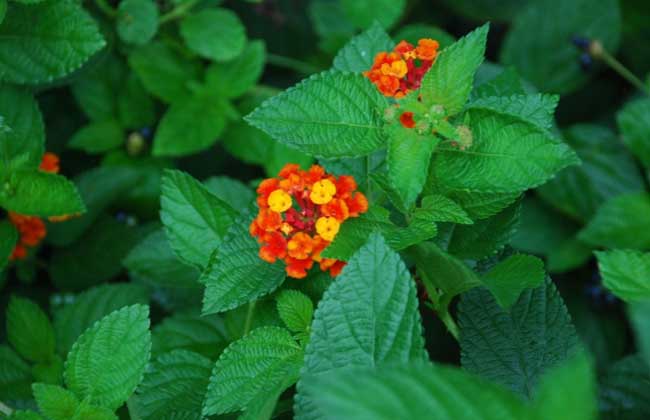
Lantana is also known as mayingdan, shandadan, big red hydrangea, coral ball, and so on. It is an evergreen shrub of the genus Lantana in the verbena family. A single cluster of flowers often shows multiple color changes, so it is also called five-color plum, five-color flower, and so on. At the same time, the branches and leaves contain a special pungent odor, so it also has aliases such as stinkweed and stinking golden phoenix. Let us take a look below at how to grow Lantana seeds!
Seed collection
The fruit of Lantana is a round spherical berry, purple-black when ripe. Usually after the fruit ripens, it is picked and composted, soaked in water and rubbed to remove the flesh, and the seeds are obtained. Note that Lantana seeds should not be allowed to lose water. They can be collected in autumn and sown immediately, or stored mixed with sand and sown again in spring.
Sowing method
Lantana can be sown in pots in late autumn under high humidity and warm conditions, or sown in spring. In South China, seedlings from sowing can be used to plant flower beds, and flowers can be seen as early as September of the same year. After the fruit ripens, it is picked and composted, soaked in water and rubbed to remove the flesh, and the seeds are obtained. The seeds should not be allowed to lose water. They can be collected in autumn and sown immediately, or stored mixed with sand and sown again in spring. After sowing, the temperature during the germination stage should be kept above 20°C. The germination rate is about 60%, and seedlings sown in the south can bloom in autumn of the same year.
Cultivation management
1. Fertilizer and water: The soil used for potted plants is preferably loose and fertile sandy loam, but the requirements are not strict. During the growing season, apply a decomposed liquid fertilizer once every 10 days. At the same time, combined with watering, spray 3% urea twice every 10 days, which can make the leaves thicker and greener. When planting, apply organic fertilizer as a base fertilizer. Water early to promote growth. Once the plants survive and grow vigorously, watering can be reduced. In open-field cultivation, bury trailing branches into the soil, and they can gradually spread into a large clump.
2. Sunlight: Lantana likes a sunny and well-lit environment. During the growing season, it can be kept outdoors in a sunny place. Even in midsummer, shading is not necessary, but good ventilation is required. If the light is insufficient, the plant will become leggy, the stems and branches will be thin and long, and flowering will be sparse, seriously affecting its ornamental value.
3. Pruning: Lantana grows relatively quickly. During cultivation, branches and leaves that affect the shape should be cut off in time to maintain a beautiful tree form. After each flowering, cut back the overly long tender branches. In late autumn and early winter, before bringing the plant indoors, do a heavy pruning of the plant and properly shorten all the branches of the current year. In winter, move it indoors to a sunny place. If the room temperature can be maintained above 15°C, the plant can grow and bloom normally, and it should be watered, fertilized, and pruned appropriately. If such a high temperature cannot be maintained, reduce watering, stop fertilizing, and let the plant go dormant; it can overwinter safely above 8°C. Repot once every spring, and prune and reshape the plant again, cutting off dead branches, weak branches, and other branches that affect the tree shape.