Detailed Explanation of Horse Chestnut Cultivation Techniques and Management Methods
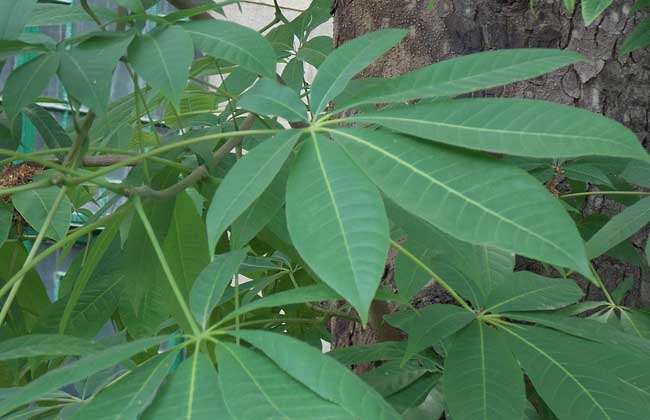
The horse chestnut, also known as the buckeye tree, buckeye nut, Tianshi chestnut, happy nut, monkey chestnut, etc., is a deciduous tree of the genus Aesculus in the family Hippocastanaceae. Its seeds are edible, but eating them directly tastes bitter and astringent; they must be boiled in alkaline water before consumption, after which they taste like chestnuts. They can also be used to extract starch. The wood is fine and dense and can be used to make various utensils. The seeds can be used medicinally, and the oil pressed from them can be used to make soap. Let us take a look at horse chestnut cultivation techniques together below!
Horse Chestnut Growth Habits
The horse chestnut is cultivated throughout the Yellow River basin and the eastern provinces of China, with wild populations found only in the Qinling Mountains. It naturally grows in mountainous areas below 700 meters in altitude. In the Yellow River basin, this species is an excellent street tree and garden tree. It prefers light, tolerates slight shade, prefers a warm climate, and can also tolerate cold. It prefers deep, fertile, moist, and well-drained soil. It has a deep root system, strong sprouting ability, medium to slightly slow growth speed, and a long lifespan. In hot summers, its leaves are prone to sunburn.
Horse Chestnut Seed Propagation
1. Seed collection: In mid-autumn, when the outer skin of horse chestnut fruits turns from green to brownish-yellow and individual fruits begin to split, they can be collected. After collection, the fruits are dried in the shade. Once the fruits naturally split, the outer skin is peeled off. Finally, select seeds that are large, plump, glossy, free of pests and diseases, and free of mechanical damage. Mix the selected pure seeds with wet sand at a ratio of 1:3, then store them using the wet stratification method in a moist, well-drained soil pit, leaving ventilation holes.
2. Nursery site preparation: Select deep, fertile, well-drained neutral or slightly acidic sandy loam as the seedling nursery site. Two to three months before sowing, deep plow the soil, remove impurities, and allow the soil to dry. Before sowing, carry out fine soil preparation to make the ground level and the soil particles uniform in size. Apply fully decomposed and fermented cow and horse manure as base fertilizer at a rate of 2500 kg per mu, then disinfect the soil with quintozene.
3. Sowing method: Spring sowing is generally adopted, carried out in late March. Use strip sowing in holes, with a plant-to-row spacing of 20 cm × 25 cm and a depth of 3 cm to 4 cm. When sowing, place the seeds with the hilum facing downward, cover with 4 cm of soil, level the soil with the seedbed surface, and press lightly with the foot. The sowing rate is 150 kg per mu.
4. Post-sowing management: Before the seeds germinate, keep the soil moist. Seedlings emerge after one month. Weed promptly to ensure no weeds in the seedling area. When the seedlings reach 25 cm in height, loosen the soil and weed, and thin the seedlings on rainy days. During the seedling growth period, also keep the nursery site moist regularly. From seedling emergence to early June is the horse chestnut's height growth period, so increase the amount of watering. July to August is the lignification period for horse chestnut seedlings, so watering should be reduced to promote stem growth and lignification of the seedlings.
Horse Chestnut Cultivation Techniques
1. Planting pit: The horse chestnut has a deep main root and few lateral roots, making it a tree species that does not tolerate transplanting. Therefore, when transplanting, it must be moved with a soil ball, and the diameter of the soil ball should be 6 to 8 times the diameter at breast height of the tree. Planting horse chestnuts should be carried out in early spring before budding or in late autumn after all leaves have fallen. To improve the survival rate of planting, the planting pit should be dug as large as possible before planting, which is beneficial to the growth of the plant. When planting, take care not to plant too deep, as excessive depth can easily cause the plant to suffocate its buds. Generally speaking, the planting depth can be about 3 cm to 5 cm above the upper surface of the soil ball, and when backfilling soil during planting, it should be tamped layer by layer.
2. Watering: Immediately after planting, water thoroughly the first time; water the second time after one week; and water the third time after about another 10 days. After the third watering, watering can be done according to soil moisture conditions, generally watering thoroughly once a month. July and August are periods of abundant rainfall, so water less or not at all. In September and October, water thoroughly once each month. In late November or early December, water sufficiently and thoroughly for the winter freeze. In early March of the following year, water sufficiently and thoroughly for the spring thaw. April and May are dry spring months, and the spring monsoon lasts a long time with strong winds, causing relatively high transpiration in the plants, so the watering frequency can be increased to once every 15 days, after which water thoroughly once a month.
3. Fertilization: The horse chestnut prefers fertilizer, so sufficient base fertilizer should be applied before planting. The base fertilizer is preferably farmyard manure such as cow and horse manure or decomposed leaf fertilizer. Although these fertilizers have low nutrient content, they are mild and also help improve soil looseness. The base fertilizer should be thoroughly mixed with the planting soil. Sufficient fertilizer can accelerate its growth rate and improve the plant's resistance to pests and diseases. In addition to applying base fertilizer at planting, fertilizer should also be applied throughout the entire growth period, including for some large-sized street trees.
4. Pruning: The shaping and pruning of horse chestnuts should be carried out after leaf fall in winter each year or before budding in the following spring. Since the horse chestnut's crown is naturally round-headed, it is best to maintain the original crown shape. Shaping and pruning should mainly follow the principles of maintaining a beautiful crown and good ventilation and light penetration. Thin out overly dense branches and shorten overly long branches so that the branches are evenly distributed and grow robustly. Also cut off dead branches, pest- and disease-infested branches, inner canopy branches, slender branches, and poorly growing branches, which helps concentrate nutrient supply and form a good crown.