Elm Bonsai Care Tips and Production Methods Explained in Detail
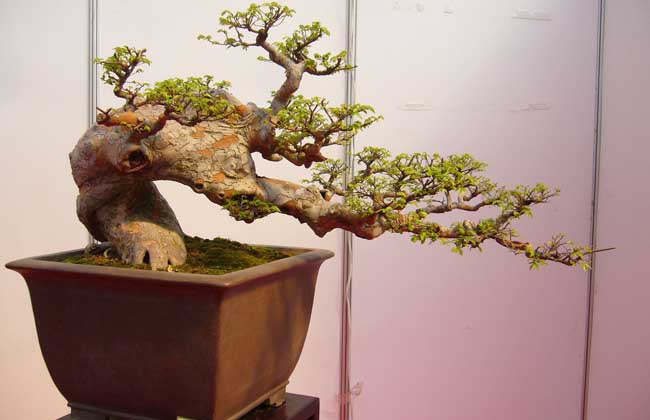
Elm, also known as field elm, elm seed, spring elm, etc., has long been called "elm wood lump". It is a deciduous tree of the genus Ulmus in the family Ulmaceae, often growing on hillsides, valleys, flatlands, hills and sandy ridges below 1000-2500 m in altitude. Old trunks and residual roots have strong sprouting ability, and can be dug from the wild to make bonsai, with extremely high ornamental value. Let's take a look at elm bonsai care and production together below!
Elm Bonsai Growing Environment
Elm is a sun-loving tree species, fond of light, tolerant of drought, cold and poor soil, not particular about soil, and highly adaptable, with a well-developed root system, strong wind resistance and soil retention, and strong sprouting ability that tolerates pruning. It grows fast and lives long, can withstand dry and cold climates and moderate salinity-alkalinity, but is not tolerant of waterlogging (it can withstand waterlogging in the rainy season), has pollution resistance, and strong dust retention on leaf surfaces. It grows well in deep, fertile, well-drained alluvial soil and on the Loess Plateau.
Elm Bonsai Production Methods
1. Seedling source: Elm stumps are mostly dug from the wild. Wild tree stumps have strange and varied postures, winding and twisting, ancient and lovely, take shape quickly, and have relatively high ornamental value.
2. Potting: The best planting time is February to March in spring, and it can also be done in autumn. Before planting, roots and branches and leaves should be pruned once. Use loose and fertile garden soil or leaf mold for the pot soil, which is beneficial to root development. For bonsai pots, purple clay pottery pots or glazed pottery pots are preferred, mainly rectangular and oval in shape, and plain colors are best for the pot color.
3. Styling: Elm styling should mainly use pruning, combining pruning and wiring. According to the basic form of its old stump, it can be made into many styles such as straight-trunk style, curved-trunk style, slanting-trunk style, lying-trunk style or cascade style. Because its root system is well developed, it can also be made into exposed-root style or root-over-rock style bonsai. Elm branches and trunks are soft and can be wired into many styles of bonsai. Elm branches and leaves tolerate pruning, so they can be pruned into cloud style, or pruned into any shape desired according to the creator's intention.
Elm Bonsai Care Techniques
1. Strengthen light: Elm likes light, and can only grow well and robustly in a place with sufficient sunlight. If light is insufficient, its growth is slow, branches are thin, leaf spacing is long, leaf color is pale, fibrous roots are few and weak, and it is also prone to pest damage.
2. Control humidity: Elm likes to grow in moist places, but also fears waterlogging, so when spraying water, water thoroughly, and in midsummer it should be watered once in the morning and once in the evening. If water accumulates in the pot, drain it as soon as possible.
3. Appropriate fertilization: Use peanut cake fermented into liquid fertilizer, or crush peanut cake into thumb-sized pieces and bury them in the soil, combined with some compound flower fertilizer. Fertilization should be applied once in early spring and once in early autumn, and should not be applied too much.
4. Timely trimming: Elm has extremely strong sprouting ability, and the three groups also grow very fast. If branches are not pruned, the stump bonsai will lose its ornamental value. Pruning and shaping can be done in autumn. First cut off useless branches and diseased branches, then trim the branches according to the shaping or the posture after shaping.
5. Pest and disease control: Common leaf-eating pests on elm include elm tussock moth, green-tailed giant silkworm moth, elm swallowtail moth, leaf beetle, scale insect, longhorn beetle, etc. During the peak larval period, spray 20% fenpropathrin emulsifiable concentrate at 2500 to 3000 times dilution or 20% fenvalerate emulsifiable concentrate at 2000 times dilution.