Is Eucalyptus Toxic? A Detailed Explanation of Eucalyptus Toxicity
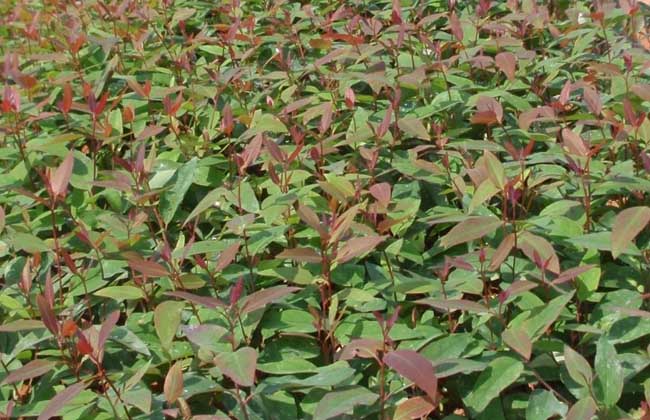
Eucalyptus is the collective name for all species in the genus Eucalyptus, with about 808 species and 137 subspecies or varieties, of which more than 100 have important economic uses. Its maturation period is shorter than that of pine and fir, reaching usable timber in five to seven years. Together with the fast-growing forest species pine and poplar, it is listed by the Food and Agriculture Organization of the United Nations as one of the world's three major fast-growing tree species. Let's take a look below at whether eucalyptus is toxic!
Is Eucalyptus Toxic?
Eucalyptus is not toxic. Research by the Eucalyptus Research Center of the State Forestry Administration shows that eucalyptus is not only non-toxic, but can also be directly used by animals and humans. Eucalyptus contains eucalyptus oil, a class of natural compounds extracted from eucalyptus leaves that can be used in cosmetics. Head & Shoulders, for example, contains eucalyptus essence. Many pharmaceutical raw materials contain eucalyptus oil as an ingredient, and it can also be used as a medicinal raw material for oral care, rhinitis treatment, expectorants, cooling balms, throat lozenges, and wind-dispelling ointments. Eucalyptus oil contains eucalyptol, which is mainly used in toothpaste, mouthwash, food, and medicine.
Rumors About the Harms of Eucalyptus
1. Fertilizer extractor: Eucalyptus has an extremely high demand for soil fertilizer and nutrients. Wherever eucalyptus is planted, soil fertility declines or even becomes exhausted. Original vegetation is severely damaged because it cannot obtain enough fertilizer and nutrients, leading to land degradation, worsening soil and water conservation, and barren land, at which point introducing other plants simply cannot survive. The proportion of severely eroded soil rises year by year, and landslides and floods increase.
2. Tyrant tree: Eucalyptus strongly suppresses local native, indigenous, and original species. Once it grows, other species cannot grow, and they will gradually retreat, ultimately resulting in eucalyptus forests with bare ground, no grass, shrubs, small trees, or various Chinese medicinal herbs in the understory, and other species cannot coexist with it.
3. Toxic tree: When planting eucalyptus, certain highly toxic and long-lasting chemical products are applied. Once such products are applied to the land, they are very difficult to clean away, greatly pollute water quality, and cause immeasurable harm after being consumed by humans and livestock. In addition, the odor emitted by eucalyptus has an irritating and toxic effect on the human body, threatening the health of local people.
Questions About the Harms of Eucalyptus
1. Question one: Eucalyptus is a “water pump” that will suck water dry and cause drought. This is one of the most common criticisms of eucalyptus. Because of its very high transpiration, eucalyptus causes groundwater to drop significantly, like a “water pump,” causing land drought and depletion of water sources. In response, scientific research results prove that eucalyptus is actually quite efficient in water use compared with other coniferous trees, and eucalyptus forests play a role in water conservation, soil and water retention, and climate regulation that is no inferior to that of other tree species. A large number of field observation experiments also show that eucalyptus does not directly cause drought. Data obtained by scientist Bailly and others from eight years of observation also showed that most of the water in large-leaf eucalyptus forests infiltrated into the soil, and instead effectively conserved soil and water.
2. Question two: Eucalyptus is a “fertilizer absorber” that will lead to “soil fertility exhaustion.” Many people who have visited eucalyptus forests or planted eucalyptus themselves say that eucalyptus has an extremely high demand for soil fertilizer and nutrients, and that any land planted with eucalyptus declines in fertility or even becomes exhausted, and that other plants introduced on soil previously planted with eucalyptus simply cannot survive. In China, scientist Bai Jiayu, who has studied eucalyptus for many years, measured eucalyptus nutrient uptake and found that eucalyptus has a greater ability to use nutrients efficiently than other tropical tree species. Abroad, scientist Liani also observed eucalyptus forest soil and found that after the rapid growth period, eucalyptus returns the nutrient elements absorbed during that period to the soil.
3. Question three: Eucalyptus is a “tyrant tree” that will inhibit the growth of other species. Some point out that eucalyptus strongly suppresses local native, indigenous, and original species, and other species cannot coexist with it. Indeed, based on common scientific knowledge, invasive species can cause harm to local ecological environments. But scientific research has also found that almost all harmful invasive plants are herbaceous plants, while eucalyptus, as a tree, has not yet had its ecological harm truly confirmed. In addition, the phenomenon that some tree species are sensitive to the sap or fallen leaves of other tree species is also a normal phenomenon in nature. A survey was once conducted on this in the Leizhou Peninsula of Guangdong, and the research results also showed that local forest plant diversity did not decrease because of eucalyptus planting.