What are eucalyptus trees used for? A full analysis of their main uses and value
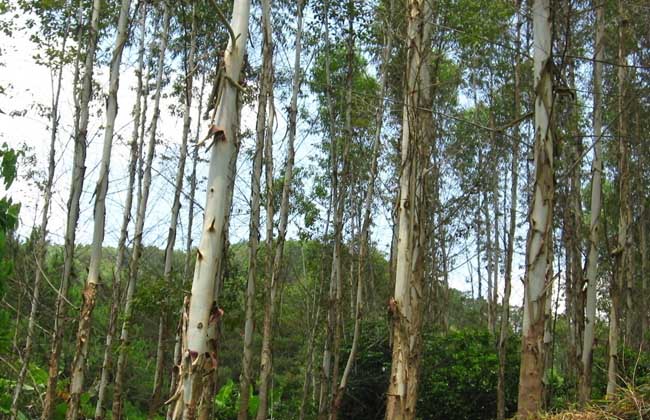
Eucalyptus, also known as white diesel tree, mang tree, youjiali, large-leaf eucalyptus, and other names, is the collective term for plants in the genus Eucalyptus of the family Myrtaceae. Its place of origin is mainly the Australian continent, and it was introduced to various parts of the world in the 19th century. By 2012, it was cultivated in 96 countries or regions. It has medicinal, economic, and many other values. Let us take a look below at what eucalyptus trees are used for!
The edible value of eucalyptus
The roots of eucalyptus can be eaten and can also be used to obtain water. In some places, eucalyptus is also used as fuel, and the leaves of many eucalyptus species can be used as feed.
The medical value of eucalyptus
Eucalyptus is slightly pungent, slightly bitter, and neutral in nature. It has the functions of dispelling wind and relieving heat, inhibiting bacteria and reducing inflammation, and preserving against decay and relieving itching. It mainly treats and prevents influenza, epidemic cerebrospinal meningitis, upper respiratory tract infections, pharyngitis, bronchitis, pneumonia, acute and chronic pyelonephritis, nephritis, dysentery, and filariasis. For external use, it treats burns and scalds, cellulitis, mastitis, boils, erysipelas, paddy-field dermatitis, skin dampness and itching, athlete's foot, and more.
The economic value of eucalyptus
1. Wood processing: China has successfully developed manufacturing technologies for high-performance eucalyptus engineered wood, eucalyptus veneer laminated lumber, bamboo-eucalyptus composite materials, thick-core eucalyptus solid wood composite panels, and formaldehyde-free eucalyptus plywood, and the comprehensive utilization rate of eucalyptus can be increased to more than 90%. Eucalyptus not only brings value to industry, but also brings economic benefits to other industries.
2. Papermaking raw material: The use of eucalyptus for papermaking began as early as the early 20th century. Its fibers have an average length of 0.75-1.30 mm, and its color, density, and extract ratio are all suitable for pulping. Many large paper mills also use eucalyptus to produce kraft paper and printing paper. The cellulose in eucalyptus wood can first be made into dissolving wood pulp and then processed into rayon, which has already achieved considerable success.
3. Extracting essential oil: Eucalyptus globulus and Eucalyptus maidenii among eucalyptus species are the main varieties used to extract eucalyptus oil. Eucalyptus oil contains eucalyptol and is a colorless or light yellow liquid with a stimulating, cooling fragrance. It is mainly used in toothpaste, mouthwash, food, medicine, and other areas.
4. Gold exploration: Australian scientists used X-rays to discover trace amounts of gold in eucalyptus leaves, which is believed to be the first time naturally occurring gold has been found in a living organism. However, researchers say the amount of gold contained in the leaves is very small. The gold content in the leaves of 500 eucalyptus trees growing in a gold mining area might only be enough to make one wedding ring, so this discovery will not bring wealth to gold prospectors. Still, scientists point out that this discovery can help people explore for gold in a more environmentally friendly and cheaper way.