Can Asparagus Fern Be Placed in the Bedroom? Analysis of Bedroom Cultivation Precautions
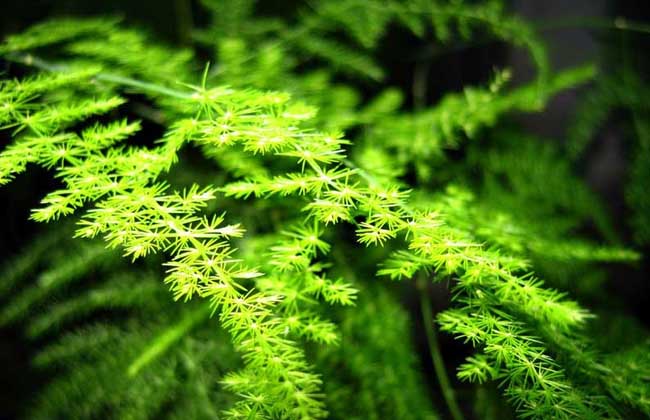
Asparagus fern, also known as cloud pine, spiny asparagus, cloud bamboo, and so on, is an evergreen plant of the Asparagaceae family, genus Asparagus, and carries the meaning of "elegant bamboo." It is a highly ornamental plant that can be placed in the living room or study, purifying the air while also adding a literary atmosphere. Now let us take a look at whether asparagus fern can be placed in the bedroom!
Can Asparagus Fern Be Placed in the Bedroom?
Asparagus fern can be placed in the bedroom. Asparagus fern itself also likes a "clean" environment and is afraid of dirt falling on its leaves, which causes them to turn yellow and drop, so it is suitable for cultivation in the bedroom. The only thing to pay more attention to is that asparagus fern also likes frequent pruning, so be careful when pruning not to affect the bedroom's cleanliness. Unless you are someone who particularly loves cleanliness, otherwise it is not a problem; just use a small dustpan to catch the clippings. As for the moisture issue with asparagus fern, it is also not strict; just water when dry and let it dry out between waterings. The key is that it cannot lack sunlight. If your bedroom faces north, then it is not suitable.
How to Grow Asparagus Fern
1. Potting soil: The potting soil for cultivating asparagus fern should preferably be fertile sandy loam, requiring warmth and moisture, richness in decayed leaf matter, and good drainage. Generally, it can be prepared with a ratio of 4 parts garden soil, 2 parts leaf mold, 2 parts compost soil, and 1 part sand, and soil should be changed and fertilizer added regularly. If excessive fertilization causes "root burn," it is necessary to tip out the pot to remove the fertilizer, rinse the soil ball with clean water, and then replace it with new soil for cultivation.
2. Watering: Watering is the key point in the cultivation and growing of asparagus fern. Too much watering and overly wet potting soil can easily cause root rot, while too little watering can cause leaf tips to scorch and turn yellow. Therefore, during watering, it should be determined according to the weather, growth condition, and the dryness or wetness of the potting soil, following the principle of not watering when not dry and watering thoroughly when watering. In hot and dry weather, the leaves can be sprayed with water to increase humidity and lower temperature, while in winter less watering is needed.
3. Fertilizing: Asparagus fern does not have high fertilizer requirements, but it also cannot lack fertilizer. Due to the limitations of potting soil in container cultivation, nutrients must be supplemented in time to meet growth requirements. During fertilization, apply small amounts frequently, and do not apply concentrated fertilizer, otherwise it will cause yellow leaves. Generally, applying a thin, fully decomposed liquid fertilizer once a month is enough. After the plant has grown and taken shape, fertilization can be appropriately controlled and reduced. During the growing season, apply a thin fertilizer containing nitrogen and phosphorus 1 to 2 times per month to promote lush branches and leaves; other liquid fertilizers may also be used. Do not fertilize too much during the flowering period; applying liquid fertilizer twice each in May to June and September to October is sufficient.
4. Light: Asparagus fern should not be exposed to the scorching sun during cultivation. In hot seasons, it should be placed in a cool and ventilated place. At the same time, during the flowering period, asparagus fern is afraid of both wind and rain, so attention should be paid to good ventilation, and in good weather it can appropriately be placed outdoors to receive sunlight. In winter, the temperature for potted asparagus fern should be maintained above 5°C to avoid frost damage.
5. Placement: Asparagus fern loves a clean and well-ventilated environment. If stimulated by harmful gases such as smoke, dust, coal gas, and pesticides, the leaves will turn yellow, curl, and even die. Therefore, asparagus fern should be placed in a clean, well-ventilated environment, away from decorative materials such as marble that release mercury gas.
What to Do If Asparagus Fern Leaves Turn Yellow?
1. Too much light: Asparagus fern prefers partial shade and avoids strong light, especially in summer, when direct sunlight should be avoided, otherwise it will cause branches and leaves to wither and turn yellow. The flowerpot should be moved to a shady place, and water should often be sprayed on the branches and leaves to increase air humidity.
2. Improper watering: Asparagus fern likes moisture but fears waterlogging. The potting soil should be kept dry between waterings and moist when watered; generally, watering to make the surface soil moist is enough. Too much water easily causes root rot, while too little water easily causes dry tips. In dry seasons, more clean water should be sprayed on the leaf surface.
3. Improper fertilization: If topdressing is too concentrated or immature fertilizer is applied, it easily causes "root burn," leading to dry and falling leaves. On the contrary, if the potting soil is poor, the leaves will also turn yellow due to lack of nutrients.
4. Poor winter care: Asparagus fern likes warmth and should face the sun in winter. If it is placed for a long time in a place without light in winter, with poor ventilation or cold, it can easily cause leaves to wither and turn yellow. Generally, the room temperature should be no lower than 12°C, and it should be placed near a south-facing window, with watering appropriately controlled.
5. Causes of poisoning: Asparagus fern is afraid of smoke and dust. If it encounters toxic gases, the branches and leaves easily turn yellow. In addition, if the plant is too large, the flowerpot is too small, or it is harmed by pests such as scale insects, it will also cause branches and leaves to turn yellow, and the pot should be changed and control measures taken in time.
6. Causes of pests and diseases: Once asparagus fern is infected by pests such as scale insects, it will also cause branches and leaves to wither and turn yellow, and timely control is necessary.