Is Asparagus Fern Poisonous? The Toxicity of Asparagus Fern Explained in One Article
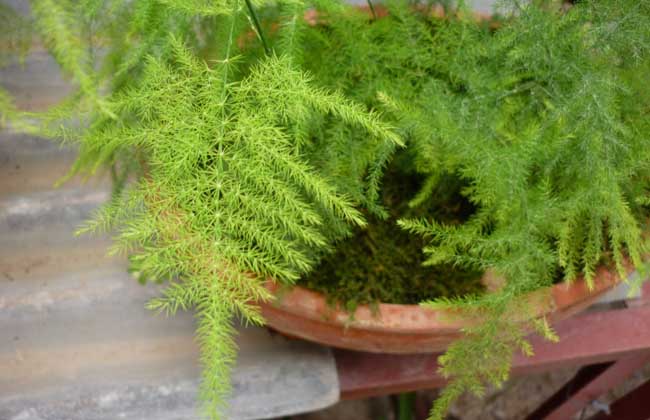
Asparagus fern is also known as cloud-pine, spiny asparagus, cloud bamboo, and so on. Its roots are slightly fleshy, its stems are soft, clustered and slender, and it can grow several meters tall. It likes warm, humid and semi-shaded, well-ventilated environments. It is a highly ornamental plant that can be placed in the living room or study, purifying the air while adding a scholarly atmosphere. Now let us take a look at whether asparagus fern is poisonous.
Is asparagus fern poisonous?
Asparagus fern is completely non-toxic, so please cultivate it with peace of mind. Asparagus fern is elegant and evergreen, can decorate and beautify indoor environments, delight the mood, help people feel relaxed and happy, and can also absorb harmful gases and purify the air, being beneficial rather than harmful. At night, besides absorbing harmful gases such as sulfur dioxide, nitrogen dioxide and chlorine, it can also secrete gases that kill bacteria, reducing the occurrence of infectious diseases such as colds, typhoid and laryngitis, which is very good for human health.
What does asparagus fern symbolize?
Asparagus fern means “elegant bamboo”. Although it is not bamboo, its leaves are soft and delicate and evergreen all year round, and its branches have nodes and resemble bamboo in appearance, yet compared with upright bamboo, it highlights an elegant and unrestrained posture, so it is called asparagus fern. It symbolizes eternity, and the pure heart of friends that never changes. In wedding flowers, it is a symbol of a happy and sweet marriage and everlasting love.
How is asparagus fern grown?
1. Potting soil: For cultivating asparagus fern, the potting soil should preferably be fertile sandy loam, requiring warmth and moisture, richness in leaf mold and good drainage. Generally, a ratio of 4 parts garden soil, 2 parts leaf mold, 2 parts compost soil and 1 part sand can be used, and the soil should be changed and fertilizer added regularly. If excessive fertilization causes “root burn”, the pot needs to be turned out to remove the fertilizer, and the soil ball should be rinsed with clean water, then replaced with new soil for growing.
2. Watering: Watering is the key point in cultivating and growing asparagus fern. Too much watering and overly wet potting soil easily cause root rot, while too little watering leads to scorched and yellowed leaf tips. Therefore, during watering, it should be determined according to the weather, growth condition and the dryness or wetness of the potting soil, following the principle of not watering when dry, and watering thoroughly when watering. In hot and dry weather, the leaves can be sprayed with water to increase humidity and lower temperature, while in winter less water should be given.
3. Fertilizing: Asparagus fern does not like heavy fertilizer, but it cannot lack fertilizer either. Limited by the potting soil of container cultivation, nutrients must be supplemented in time to meet growth requirements. During fertilization, apply little but often, and do not apply concentrated fertilizer, otherwise yellow leaves will result. Generally, applying a thin diluted decomposed liquid fertilizer once a month is sufficient. After the plant grows larger and its form is set, fertilization can be appropriately controlled and reduced. During the growing season, apply a thin fertilizer containing nitrogen and phosphorus 1 to 2 times a month to encourage lush branches and leaves; other liquid fertilizers may also be used. Do not fertilize too much during the flowering period; applying liquid fertilizer twice each in May to June and September to October is sufficient.
4. Light: Asparagus fern must not be exposed to the scorching sun when grown. In hot seasons, it should be placed in a cool and ventilated place. At the same time, during the flowering period, asparagus fern is afraid of both wind and rain, so attention should be paid to good ventilation, and in good weather it can be appropriately placed outdoors to receive sunlight. In winter, the temperature for potted asparagus fern should be kept above 5°C to avoid freezing.
5. Placement: Asparagus fern loves a clean environment with circulating air. If stimulated by harmful gases such as smoke, dust, coal gas and pesticides, its leaves will turn yellow, curl and even wither and die. Therefore, asparagus fern should be placed in a clean, well-ventilated environment, away from decorative materials such as marble that release mercury gas.