What feng shui role does the rubber plant play?
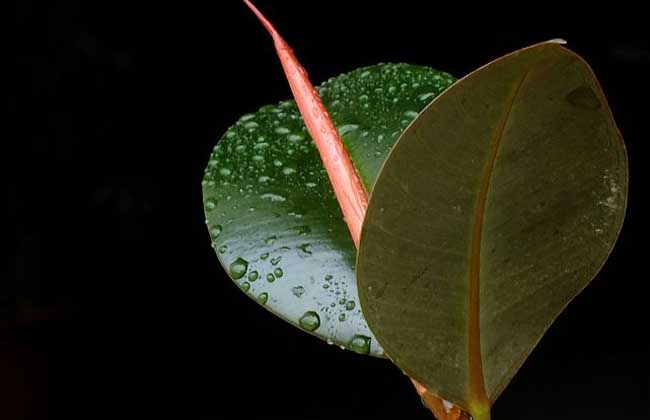
The rubber plant is a well-known potted foliage plant with high ornamental value, extremely suitable for indoor beautification and arrangement. Small and medium-sized plants are often used to beautify living rooms and studies, while medium and large plants are suitable for placing on both sides of the entrance halls of large buildings and in the center of lobbies, appearing majestic and spectacular and able to showcase tropical scenery. It also has excellent feng shui effects. Let us take a look below at the feng shui role of the rubber plant!
The cultivation value of the rubber plant
1. Ornamental value: The rubber plant has large, glossy leaves and stays evergreen all year round, making it a large shade-tolerant foliage plant. Whether placed in the halls and corridors of ordinary homes or used to decorate hotel lobbies, potted rubber plants are excellent decorative materials, and they grow vigorously without needing much care.
2. Air purification: In places with ample sunlight, the rubber plant can carry out vigorous photosynthesis and transpiration, regulating air humidity and oxygen content. The rubber plant also has a unique ability to purify dust, and it can absorb harmful gases such as formaldehyde among volatile organic compounds, carbon monoxide, carbon dioxide and hydrogen fluoride in the air, purifying the stale indoor air.
The feng shui role of the rubber plant
1. Removing yin energy and sha qi: The rubber plant 'Black Prince' is a rare fine specimen among rubber plants. Placing it at home can help detect whether a placement direction has too much yin energy or sha qi, and placing it in different positions at home produces different feng shui effects, because it likes high-temperature, high-humidity environments, enjoys light, tolerates direct sunlight, does not tolerate shade or cold, and can withstand mild drought.
2. Boosting auspiciousness and vitality: For example, evergreen broadleaf species among rubber plants can boost vitality. Place them in the auspicious qi positions within the home according to qi-flow principles. For example, the living room should emphasize ample light, so on the balcony one should try to avoid placing too many dense potted plants that block sunlight. A bright living room can make the family fortune flourish and can play an auspicious role. It has vitality and can produce a momentum effect of good or bad fortune, but be careful not to place it in sha positions, otherwise it will have an inauspicious effect.
3. Harmonizing family relationships: The feng shui of the living room is related to family harmony and the cultivation of interpersonal connections. The correct placement of the rubber plant will ultimately affect the family's fortune and prospects. Usually small and medium-sized potted plants or flower arrangements are preferred; avoid choosing large potted plants, which can easily attract mosquitoes and create a sense of pressure. The rubber plant should first be considered for decorative beauty, and the quantity should not be too many, otherwise it will not only look cluttered but also grow poorly.
How to grow the rubber plant
1. Temperature: The rubber plant does best at 20-25 degrees, and it can even grow well above 30 degrees. However, in winter, if the temperature is too low, the rubber plant will shed a large number of leaves, and its cold tolerance is very poor. In the northern regions of China, it needs to overwinter in a greenhouse.
2. Light: It is indeed true that sunlight is the food of plants. In the cultivation of the rubber plant, sunlight is also a treasure. Giving it ample sunlight allows it to grow strong and healthy. From May to September, provide appropriate shading.
3. Fertilizing: Fertilizer is like calcium supplements, strengthening its “health.” Fertilizing is also one of the key points in growing the rubber plant. It can reduce the occurrence of mottling and make the leaves more lustrous. Using nitrogen fertilizer alone is sufficient, and remember to stop fertilizing in winter.
4. Pruning: When spring arrives, it is time to prune the rubber plant. Cut off the forked branches inside the crown, inward-growing branches and weak, thin branches to maintain internal ventilation, good light penetration and the overall shape. Generally, in rubber plant cultivation, the pot must be repotted once every 2 years, adding materials such as leaf mold and reconfiguring the soil. It prefers loose, well-drained loam.
5. Soil: The rubber plant prefers fertile, loose, slightly acidic soil. The potting soil should be prepared with 4 parts leaf mold, 1 part grass ash soil, about 1 part river sand and a small amount of base fertilizer.
6. Watering: During the high-temperature summer period, the rubber plant grows relatively fast, so it should be given plenty of fertilizer and water, but avoid waterlogging in the pot. After autumn begins, gradually reduce watering to promote solid plant growth and help it overwinter.