What to Do When Jasmine Leaves Turn Yellow? Causes and Solutions
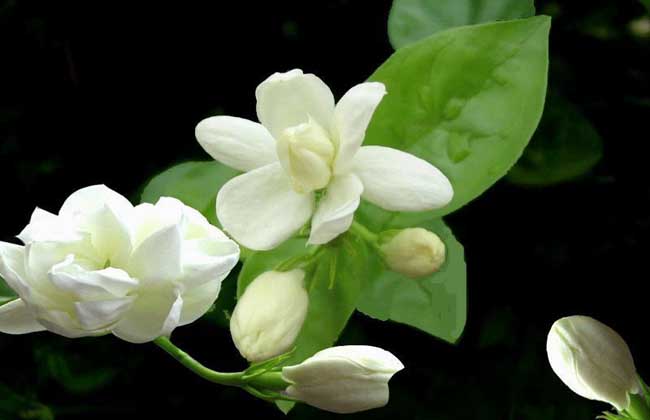
Jasmine is also known as jasmine, xianghun, molihua, meili, and so on. It is an erect or climbing shrub of the genus Jasminum in the family Oleaceae. Its flowers are a famous raw material for scented tea and an important raw material for fragrances, and its flowers and leaves are used medicinally to treat red, swollen, painful eyes and have the effect of relieving cough and reducing phlegm. However, in actual cultivation, yellowing of the leaves often occurs. Let us take a look below at what to do when jasmine leaves turn yellow!
Potting soil on the alkaline side
[Cause] When jasmine is watered with relatively alkaline water for a long time, the increased alkalinity leads to iron deficiency, causing poor plant growth and yellowing, withered branches and leaves.
[Solution] You can apply ferrous sulfate solution or alum fertilizer water to increase the soluble iron in the soil and solve the problem.
Malnutrition
[Cause] When jasmine is grown in a pot, if the soil is not changed and fertilizer is not applied for a long time, the soil nutrients become insufficient and the leaves turn yellow.
[Solution] The soil should be changed in time and water and fertilizer management strengthened, or fertilizer and water application can be strengthened directly.
Improper fertilization
[Cause] When jasmine is fertilized too heavily or with undecomposed organic fertilizer, it causes “root burn” and the branches and leaves wither and turn yellow.
[Solution] Part of the potting soil should be removed and replaced with new potting soil. In ordinary management, it is better to apply light fertilizer frequently; do not try to feed it all at once.
Caused by waterlogging
[Cause] If the potting soil of jasmine remains wet for a long time, oxygen deficiency causes the roots to suffocate and rot, and the plant cannot absorb nutrients, so the leaves turn yellow and may even wither and die.
[Solution] Watering should be done with alternating dry and wet periods; do not let the potting soil stay wet all the time.
Unsuitable temperature
[Cause] Jasmine is not cold-tolerant. If it encounters low temperatures, its normal internal physiological metabolism becomes disordered, causing the leaves to turn yellow.
[Solution] You can adjust the microclimate of the environment, add plastic film, or move it to a warmer place for care and management.
Insufficient light
[Cause] Jasmine needs sufficient light during its growing period. In semi-shade it can still maintain a good state for a period of time, but in a shaded place it will quickly show yellow leaves, withered tips, and even leaf drop. Generally speaking, insufficient light affects flowering and normal growth.
[Solution] Adjust the placement position and increase the light duration.
Pests and diseases
[Cause] When jasmine is harmed by pests such as red spider mites and scale insects, the branches and leaves can also wither and turn yellow.
[Solution] Pay attention to ventilation and increase air humidity for prevention. When pests appear, spray pesticide promptly for control.