Key Technical Points and Detailed Methods for Transplanting Camphor Trees
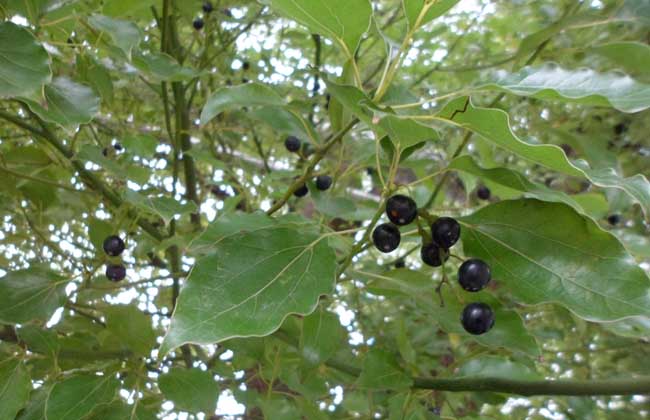
The camphor tree (Cinnamomum camphora) is an important timber and special economic tree species in subtropical regions. It has a majestic form, brightly colored spring leaves, and dense layered branches that cast shade far and wide. It can absorb smoke and trap dust, conserve water, stabilize soil and prevent sand erosion, and beautify the environment. It is most common in the south and is widely used as a shade tree and street tree, and can also be used to create scenic forests and shelterbelts. Let us take a look at camphor tree transplanting techniques below!
Camphor Tree Transplanting Time
The right transplanting time for camphor trees is one of the key factors for improving the survival rate. Usually the best time to transplant a camphor tree is in early to mid-March before bud break. Too early or too late is not good: too early makes it prone to frost damage, while too late is unsuitable for transplanting the whole tree, thus failing to meet the growth requirements of the camphor tree.
Camphor Tree Transplanting Techniques
1. Trunk-cutting transplanting method: The trunk-cutting method is usually suitable for large camphor trees with a diameter at breast height (DBH) of more than 10 cm. Because they grow in the same place year after year, their root systems are widely and deeply distributed and their crowns are large, making them difficult to transplant. The trunk-cutting method can control the branching height of the branches, and it is convenient for lifting and transport. It can also reduce the consumption of water and nutrients by the leaves, which helps improve the survival rate. However, in the short term the tree shape is not attractive and the landscaping effect is poor; it generally takes more than 2 years to form a crown.
2. Root-cutting and crown-reduction method: The root-cutting and crown-reduction transplanting method involves cutting the roots and reducing the crown of a large camphor tree in its original location. When pruning, maintain the basic skeleton of the tree shape. The root-cutting range is 5 times the ground diameter of the trunk. Saw through the thick roots, spray 0.1% naphthalene acetic acid solution on the roots, and then backfill with soil. After 2 years, transplant as needed. The advantages are a high transplanting survival rate, fast tree recovery and growth, and a relatively good landscaping effect. The disadvantages are a long cycle and relatively high input costs.
3. Crown-retaining transplanting method: The crown-retaining transplanting method basically keeps the original crown during transplanting. It is often used when an immediate landscape effect and specific requirements demand that the crown be retained. The technical difficulty of transplanting is relatively high, especially for large trees with a DBH of more than 15 cm, which must use lifting equipment. Before digging, the crown should be heavily pruned to remove weak branches and retain 50% of the leaves, reducing transpiration loss of water and nutrients. The diameter of the soil ball should be more than 8 times the ground diameter of the trunk, and then the soil ball should be wrapped and transplanted.
Camphor Tree Transplanting Management
1. Before transplanting, spray the roots with 0.1% naphthalene acetic acid solution or rooting powder to promote new root growth.
2. During the wound healing period after transplanting a camphor tree, prevent rot. A mixture of 0.1% naphthalene acetic acid solution and lanolin can be applied to the wounds.
3. Apply decomposed organic fertilizer at the bottom of the planting hole, and replace the soil in the hole with loose soil to supplement nutrients.
4. When transplanting, it is better to plant shallow than deep. According to the groundwater level, it is advisable to leave 1/2 to 1/4 of the soil ball exposed above the ground surface. If planted too deep, the roots are prone to rot.
5. Use fine soil to make it fit tightly against the soil ball, water heavily, and then cover the soil surface at the root area with film to prevent water evaporation or excessive water infiltration into the roots, which can cause root rot.
6. After transplanting a camphor tree, wrap the trunk with straw rope, then water it thoroughly and wet it, and then wrap the trunk with film. This can keep the trunk moist, prevent trunk water evaporation, and prevent sunburn damage to the bark. However, be sure to avoid the straw rope rotting and burning the bark.
7. For large trees with retained crowns, a sprinkler device can be installed at the top of the crown to spray the leaves on sunny days.
8. For large trees transplanted with retained crowns, considering the excessive evaporation of water from the leaves, build a shade shed to reduce light intensity, thereby reducing water evaporation.
9. After new leaves sprout and become leathery, spray the leaves with 0.1% urea solution to supplement the insufficient nutrients from the roots and also benefit the growth of new leaves. However, be sure not to spray in autumn.
10. After new branches sprout, carry out shaping and pruning: cut off weak branches, retain thick and strong branches, cultivate new branches, and promptly remove adventitious buds sprouting on the trunk.