How to grow Dracaena fragrans? A detailed guide to cultivation methods
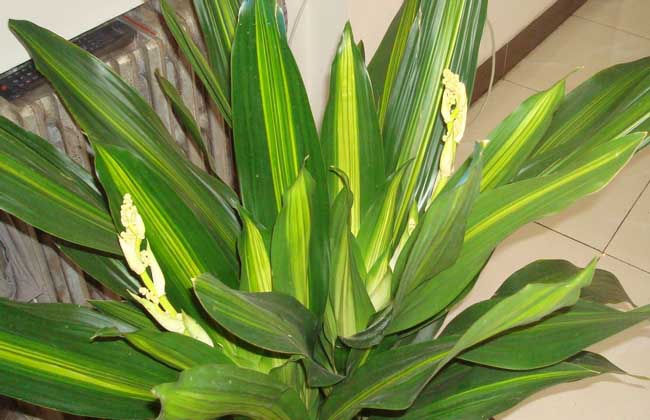
Dracaena fragrans is a new generation of world-famous indoor foliage plants with an elegant, neat plant shape. Also known as fragrant dracaena, Brazilian thousand-year tree, and striped dracaena, it is an evergreen tree in the genus Dracaena of the Liliaceae family, reaching over 8 m in height, with potted plants 50-150 cm tall. It has extremely high ornamental and cultivation value. Let us take a look at the cultivation methods for Dracaena fragrans!
The cultivation value of Dracaena fragrans
1. Dracaena fragrans has a thick trunk and sword-shaped leaves that are bright green and glossy, full of vitality. It is hailed as the "rising star of foliage plants" and is a fairly popular large indoor potted ornamental plant. Especially when placed in a relatively spacious living room, study, or sitting room, it shows elegant and simple taste with a southern tropical flavor. It is a new generation of world-famous indoor foliage plants with an elegant, neat plant shape.
2. Dracaena fragrans plants are upright and elegant, full of tropical charm. Several stems of varying heights grouped together form a large potted specimen; using it to decorate a conference venue, living room, or lobby shows dignified and simple elegance, full of natural appeal. Small potted plants or hydroponically grown plants used to accent a windowsill, study, or bedroom appear even more fresh and elegant.
The growth habits of Dracaena fragrans
Dracaena fragrans likes an environment with ample light, high temperature, and high humidity, and is also tolerant of shade and dryness. It also grows well in bright indirect light and in the relatively dry environment of northern homes. During storage and transport, 16-18°C is best, with 80-90% relative humidity, and it can endure 15 days in a dark environment. However, during storage and transport, temperatures below 8°C make the plant susceptible to cold damage, and excessively low air humidity can cause severe necrosis of the leaf edge tissue.
Propagation methods for Dracaena fragrans
Dracaena fragrans is commonly propagated by cuttings. During cutting, the temperature should be kept above 22°C; higher temperatures help rooting sooner. Cut the top stems pruned from an old plant into 8-10 cm sections and insert them into a plain sand bed (pot), keeping a certain humidity, and roots will develop after 1 month. It can also be propagated by water cuttings; the cutting should be inserted into water to a depth of 2-3 cm. When water rooting, be careful not to reverse the upper and lower ends of the cutting, otherwise rooting will be affected.
Cultivation methods for Dracaena fragrans
1. Soil: Dracaena fragrans is suitable for loose, well-drained, fertile river-sand loam rich in humus. For potted Dracaena fragrans, garden soil, leaf mold, peat soil, and river sand can be used at 3:2:2:3, or 2/3 fertile pond mud dried and finely crushed mixed evenly with 1/3 coarse river sand to make the growing medium. If thick stems are chosen for planting, the growing medium can be made by mixing equal parts vermiculite, peat soil or garden soil, and river sand.
2. Fertilizing: During growth, Dracaena fragrans consumes some of its own nutrients. If fertilizer is not applied in time, it will lack staying power and gradually decline. During the growing season, first bury organic fertilizer at the base or edges, then apply liquid fertilizer once every 15 to 20 days, or compound fertilizer 1 to 2 times, to ensure lush growth of branches and leaves. Fertilizer should be applied diluted and thin; never use concentrated fertilizer. The fertilizing period is from May to October each year. Stop fertilizing in winter and move the plant indoors to overwinter.
3. Temperature: The suitable growing temperature for Dracaena fragrans is 20°C to 28°C, the dormancy temperature is 13°C, and the overwintering temperature is 5°C. If the temperature is too low, yellow-brown spots will appear on leaf tips and leaf edges, and in severe cases the tender branches or the whole plant may be damaged by freezing. Therefore, in northern winters it should be moved into a greenhouse for care. For indoor placement, it should be placed in a spot with light, and the room temperature should preferably be kept at 6°C to 8°C or above. When the temperature is low at night, a plastic bag can be put over it to keep it warm; when the sun comes out during the day and the room temperature rises, the plastic bag should be removed in time to allow heat dissipation and cooling, preventing suffocation damage. If there is heating equipment indoors, place the pot farther away to prevent the branches and leaves from being dried out or scorched. Also pay attention to indoor air circulation, but when opening doors and windows, do not let cold wind blow directly on the branches and leaves, and do not casually move it outdoors for sun exposure, so as to prevent cold damage.
4. Watering: Dracaena fragrans does not need much water, but it has relatively high humidity requirements. After potting, water thoroughly to settle the roots, and place it in a bright indoor area or shade shed for care. The potting soil should be kept moist, and water should often be sprayed on the leaves to increase the air humidity of the surrounding environment, but the potting soil should not become waterlogged, lest poor ventilation and air permeability cause root rot. In northern growing seasons in spring, summer, and autumn, water once every 2 to 3 days on clear days, and spray the leaves once to twice a day. After late autumn, watering should be controlled, keeping the potting soil only slightly moist. In winter, watering should be controlled, keeping the potting soil half dry and half wet; too much watering will cause root rot and scorched leaves.
5. Repotting: Dracaena fragrans should be repotted once a year. When repotting, replace 1/3 of the old soil, then add new sandy soil, and trim the leaves, stems, and the aged, scorched leaves on the lower part of the stem. Potted Dracaena fragrans on the market is mostly in fine sandy soil, which producers use to let the plant fully develop roots. Long-term use is not good for plant growth. To make the plant grow vigorously, it must be repotted in stages with peat soil.
What should be done if the leaves of Dracaena fragrans turn yellow?
1. Soil and water too alkaline: For potted Dracaena fragrans, a mixed soil of leaf mold, growing medium, and coarse sand is best. If the chosen soil is unsuitable and lacks soluble iron and other elements that the plant can absorb, the leaves will gradually turn yellow. When planting, choose suitable soil, and during the growing period often water with alum fertilizer water.
2. Overwatering: Dracaena fragrans does not need much water and requires high air humidity in the surrounding environment, but the potting soil should not become waterlogged, lest poor ventilation and air permeability cause root rot. Overwatering will keep the potting soil of Dracaena fragrans too wet for a long time, causing a lack of oxygen in the soil, rotting some fibrous roots, hindering normal respiration and the absorption of water and nutrients, and causing leaves to turn yellow and drop. The solution in this case is to immediately control watering, pause fertilizing, and often loosen the soil so that the soil is well aerated.
3. Underwatering: Dracaena fragrans has relatively high requirements for the moisture level of the surrounding space. If Dracaena fragrans is watered too little and the surrounding air is also relatively dry, it is also easy for the leaf color to become dull and lusterless, and for the leaves to wilt, droop, turn yellow, and drop. The solution in this case is to water a small amount and spray water, allowing it to gradually recover before returning to normal watering.
4. Dry air: Dracaena fragrans has relatively high requirements for the humidity of the surrounding environment. If the indoor air is excessively dry, Dracaena fragrans often shows yellowing at the leaf tips. At this time, attention should be paid to measures such as spraying water and covering with a plastic film cover to increase air humidity and give Dracaena fragrans a growing environment with better humidity.
5. Insufficient light: Dracaena fragrans likes sunlight. If Dracaena fragrans is kept for a long time in a shaded place or a place with insufficient light, the branches and leaves will turn yellow. At this time, it needs to be planted in a place with ample but not intense light.
6. Too dense and poorly ventilated: If Dracaena fragrans is given too much nitrogen fertilizer, the branches and leaves grow too luxuriantly, and with no pruning for a long time, the inner branches and leaves lack light, which easily causes leaves to turn yellow and drop. Fertilize reasonably and strengthen pruning to make it well ventilated and lit.
7. Insufficient fertilizing: Dracaena fragrans needs continued and ongoing fertilizing. If nitrogen fertilizer has not been applied for a long time or the pot and soil have not been changed, the soil will lack nitrogen and other nutrient elements, causing the branches and leaves to become thin and weak and the leaves to wither and yellow. The solution at this time is to promptly replace it with new loose and fertile growing medium and gradually increase the application of diluted, decomposed liquid fertilizer or compound flower fertilizer.