Reasons for Yellowing Leaves on Sago Palms and How to Fix Them
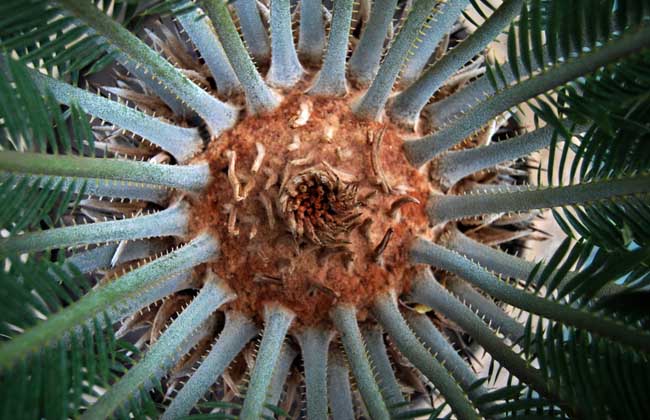
The sago palm (Cycas revoluta) is an evergreen woody plant with slow growth and a lifespan that can reach over 200 years. It has a quaint, ancient tree form and a thick, sturdy trunk that is as hard as iron, which is how it got its name. Its leaf tips are sharp like needles, making it a common large foliage plant. However, during cultivation, sago palms often develop scorched leaf tips and yellowing leaves. Let's take a look below at what to do when sago palm leaves turn yellow!
Overwatering
[Cause] When a sago palm is overwatered, it can lead to root rot, and root rot very easily causes yellowing leaves, especially yellowing over a relatively large area of leaves.
[Solution] If the sago palm is potted, it should be transplanted into a drier pot. Simply prune away the rotted roots and yellow leaves, and it will return to normal after a period of time.
Underwatering
[Cause] Sago palms can also develop yellow leaves due to lack of water and drought. The characteristic is that old leaves turn yellow first from the bottom up. If the lack of water lasts a bit longer, the entire plant's leaves will turn yellow, and it may even die.
[Solution] Water it promptly.
Yellowing Due to Nutrient Deficiency
[Cause] The reason the sago palm is called "iron tree" in Chinese is that it quite likes iron. Many people, when growing sago palms, place a handful of iron nails or iron filings at the base of the plant so that it can absorb enough iron.
[Solution] Apply a ferrous sulfate solution to quickly provide iron to the sago palm, then bury a certain number of iron nails or iron filings.
Yellowing Due to Cold Damage
[Cause] The sago palm is a plant that likes warmth and is not very cold-tolerant. In environments below 0°C, it is very susceptible to cold damage. In severe cases, all the leaves of the entire plant turn yellow, but after spring arrives, normal new leaves will grow. Simply prune away the yellow leaves.
[Solution] In winter, put a thick protective cover on the sago palm to keep it warm, and try as much as possible to prevent the sago palm from developing yellow leaves.
Insufficient Light
[Cause] The sago palm is a light-loving plant. If it is placed in a dark environment for a long time, it will cause the sago palm's leaves to turn yellow.
[Solution] Frequently move the sago palm into the sunlight, or simply place it in a spot with ample sunlight.
Pests and Diseases
[Cause] When sago palm leaves are damaged by scale insects, some of the affected leaves will turn yellow due to the damage.
[Solution] Spray a certain amount of 3% high-penetration fenoxycarb.
Overfertilizing
[Cause] Sago palm leaves can also turn yellow due to overly frequent fertilizing or excessively high concentration. The characteristic is that young leaves are thick, glossy, and uneven.
[Solution] Simply transplant the sago palm into a flower pot with relatively ordinary soil. Remember not to apply excessive fertilizer, as it very easily causes root burn. After transplanting, just remove the yellowed leaves, and it will return to normal after a period of time.