How to grow cedar seeds? A detailed guide to the planting method
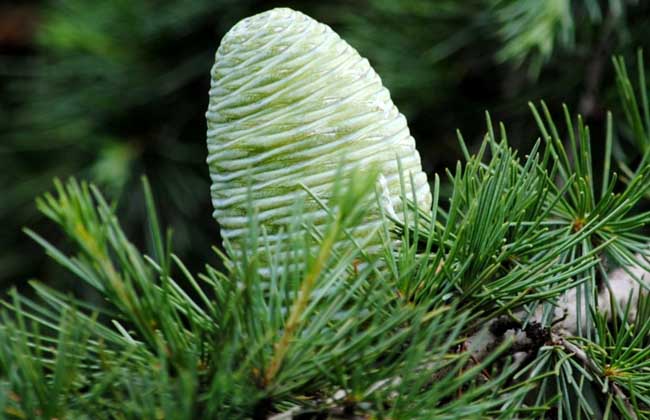
The cedar is one of the five most famous garden tree species in the world and is the backbone tree species most widely planted in urban landscaping in our country. It is mainly propagated by sowing and cuttings. In recent years, cedar saplings have sold very well, there is a large shortage of nursery stock, and prices have remained high, so cultivating cedar saplings has very good market prospects. Let us take a look together below at how to grow cedar seeds!
Cedar seedbed preparation
Choose a loose, fertile, sandy loam nursery site with convenient drainage and irrigation, and deep plow it in early winter. This not only improves the physical and chemical properties of the soil, but also freezes underground pests to death and reduces the occurrence of seedling diseases the following year. While plowing, apply 250 kg of cake fertilizer and 50 kg of superphosphate per mu, and rake the fertilizer evenly into the soil, which ensures the seedlings have enough nutrients after sowing.
Cedar seed treatment
Cedar seeds generally number about 6,000-8,000 per kg, with many empty seeds, so seed selection is needed to remove the empty ones. Before sowing, the seeds must undergo soaking to promote germination. Soaking the seeds in cold water for 96 hours gives the best effect. Alternatively, soak them in warm water at 45-50°C for 24 hours each. After soaking, disinfect with 0.1% potassium permanganate for 30 minutes, then rinse clean with clear water and dry before sowing. Never sow while still wet.
Sowing cedar seeds
Cedar sowing is generally carried out before the Spring Equinox, and earlier is better than later. Drilling is preferable, with a row spacing of 10-15 cm and a plant spacing of 4-5 cm. The seeds should be inserted upright in the sowing furrow, and be sure to place the large end of the seed upward. The sowing rate is 15-20 kg per mu. After sowing, cover with 1-2 cm of yellow subsoil or burnt mud ash. Then also cover with a thin layer of rice straw, and use a watering can to sprinkle water on it to keep the bed surface moist. After about 3-5 days they will begin to swell, and in about half a month they will emerge one after another. The emergence period lasts more than 1 month, and the germination rate can generally reach 90%.
Cedar seedling management
To prevent newly emerged cedar seedlings from being lost to rain, and to manage the temperature inside the shed well, ventilate when the temperature inside the shed stays at 15-20°C. On sunny days when the outside temperature is above 15°C, the film can be uncovered during the day and covered again at night. When more than 70% have emerged, remove the rice straw in batches, promptly set up a frame, and add a shade net or reed curtain for shade. Cedars have few pests and diseases, especially fatal ones, which are even rarer. In spring, mainly prevent aphid damage. This pest is very common in the Yangtze River Basin and will eat the tender tips of the cedar, causing the loss of the apical growth advantage of the cedar trunk. Preventing this pest is very simple: once signs of pest damage are found, promptly spraying a phosphorus-containing insecticide will solve it.