What are the uses of cedar? A comprehensive analysis of its main values
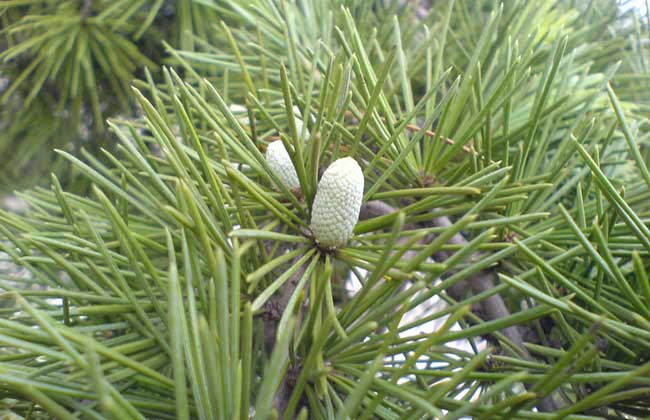
Cedar is a world-famous ornamental tree, regarded as a sacred tree in Indian folk tradition. It is most suitable for specimen planting in the center of a lawn, the center of a building's front courtyard, the center of a plaza, or on both sides of major buildings and at garden gate entrances. The large branches on the lower part of its trunk spread out flat from near ground level and do not wither over the years, forming a lush and majestic crown. Let's take a look below at what uses cedar has!
Cedar's architectural uses
Cedar wood is light and soft yet solid, with a dense grain and resin that makes it resistant to moisture. In its place of origin it is an important construction timber, used for buildings, bridges, railway sleepers, shipbuilding and more.
Cedar's beauty value
Cedar essential oil is a volatile aromatic substance extracted from the flowers, leaves, stems, roots or fruits of cedar through steam distillation, pressing, cold maceration or solvent extraction. It has medicinal effects such as anti-seborrheic, antiseptic, bactericidal, tonic, astringent, diuretic, emmenagogue, expectorant, insecticidal and sedative properties. Its astringent action can help effectively treat acne and oily rashes.
Cedar's medicinal value
Cedar's medicinal use has a very long history, dating back to biblical times. The ancient Egyptians added cedar oil to cosmetics for beauty purposes and also used it as an insect repellent. Native Americans also regarded cedar as a sacred substance used in medicinal and purification ceremonies. Distillation also yields an aromatic oil, and the various benefits of cedar essential oil make it an excellent choice for treating dandruff and rashes. Cedar wood contains very abundant essential oil, which can be extracted from wood chips or sawdust by distillation.
Cedar's landscaping uses
Cedar is one of the world's famous garden ornamental tree species, with strong dust-blocking, noise-reducing and bactericidal abilities, and is also suitable as a greening tree species for industrial and mining enterprises. The tree is tall with a beautiful form, and is most suitable for specimen planting in the center of a lawn, the center of a building's front courtyard, the center of a plaza, or on both sides of major buildings and at garden gate entrances. The large branches on the lower part of its trunk spread out flat from near ground level and do not wither over the years, forming a lush and majestic crown. In addition, planting them in rows on both sides of a garden path to form a corridor is also extremely spectacular.