Can Aquatic Plants Purify Water Quality? The Working Principle Explained Clearly in One Article
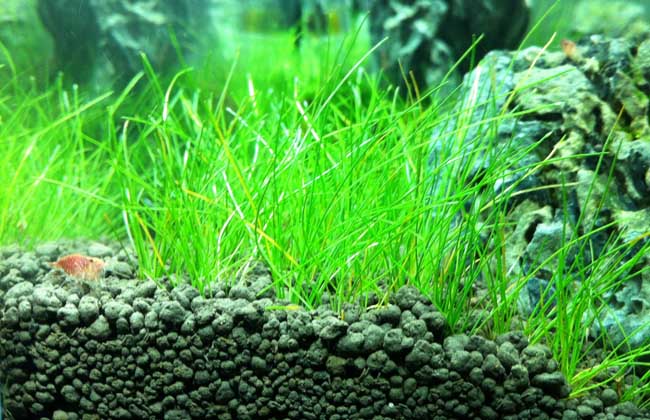
Aquatic plants generally refer to herbaceous plants that can grow in water. When keeping fish, people often also plant some aquatic plants in the aquarium. This is not only for the beauty of the overall layout, but also to provide a good living space for the fish in the aquarium. Now let us take a look at whether aquatic plants can purify water quality!
Can aquatic plants purify water quality?
Aquatic plants can purify water quality. The aquatic plants in the aquarium and the ornamental fish coordinate with each other, complement each other, and bring out the best in each other. Under light, aquatic plants absorb carbon dioxide from the water for photosynthesis and release oxygen for aquatic animals to breathe. Aquatic plants also absorb nutrients from the water, reduce organic pollution, play a role in purifying water quality, and can also provide hiding places for timid fish and shade light for fish that do not like strong light.
What are the functions of keeping aquatic plants?
1. The metabolism of fish in the aquarium and the decomposition of feed easily produce large amounts of ammonia and nitrite, which through action form nitrate. Nitrate is not decomposed and accumulates in the water, causing water quality to deteriorate and destroying the entire aquatic living environment. Aquatic plants have the function of absorbing nitrate, reducing the accumulation of nitrate in the water and playing a role in purifying water quality.
2. During their growth process, aquatic plants can release effective antibiotics, kill bacteria and pathogens in the water, reduce the content of harmful microorganisms in the water, protect fish from bacterial invasion, and promote healthy growth of fish.
3. Aquatic plants can absorb minerals, carbon dioxide, organic matter, and other substances in the water and process them. While processing them, they reduce harmful substances in the water and reduce water pollution. They can also produce oxygen through photosynthesis, increase the dissolved oxygen content of the water, and in this way directly provide the driving force for survival to fish and other organisms, balancing the overall state of the water quality.
4. The most important function of aquatic plants in an aquarium is to enable fish to reproduce in the aquarium, and some fish especially like to lay eggs on the surfaces of aquatic plant leaves. If there were no aquatic plants, fry would have nowhere to hide in the aquarium and might then be attacked by large fish that eat them.
5. Densely planting well-growing aquatic plants in an aquarium is the best way to prevent algae from spreading, because when competing with algae for nutrients, aquatic plants have a significant advantage. Of course, the prerequisite for aquatic plants being stronger than algae is that they must grow and reproduce in the aquarium in a strong and healthy way.
How are aquatic plants best cultivated?
1. Determine the size of the planted tank to be cultivated, its placement position in the home, and the species of aquatic plants to be cultivated, and understand the growth conditions and habits of those aquatic plants.
2. Go to the market to select a suitable aquarium, aquatic plant species, and bottom sand. When cultivating aquatic plants in an aquarium, it is best to use bottom sand rather than mud, because mud will make the water quality in the aquarium cloudy and seriously affect the aquarium's water quality. The choice of bottom sand should also not be too fine, and the thickness of the bottom sand can be determined according to the number of aquatic plants planted.
3. The aquarium and aquatic plants bought should first be disinfected and cleaned, and then transplanted into the tank. Before planting, aquatic plants are best soaked in a 1% potassium permanganate solution for about 10 minutes to kill parasites and bacteria on the plants, then rinsed clean with clear water and set aside.
4. There are many kinds of aquatic plants, and each kind has specific living habits and requirements. Therefore, before transplanting aquatic plants, the aquarium's water temperature and ecological environment should be adjusted to standards suitable for the aquatic plants' lives.
5. The roots and stems of aquatic plants should not be planted too deep. When planting, nylon rope can be used to fix them appropriately to prevent the aquatic plants from floating and becoming loose.
6. At the same time, some aquarium fish can be kept to balance the entire aquarium's ecological environment so that the aquatic plants can grow healthily.
7. When planting aquatic plants, the cultivator should regularly observe the growth of the aquatic plants. When abnormalities are found, they should be dealt with promptly. The aquarium also needs regular water changes and cleaning to ensure that the aquatic plants have a good growth environment.