What are the uses of osmanthus? A comprehensive analysis of its main values
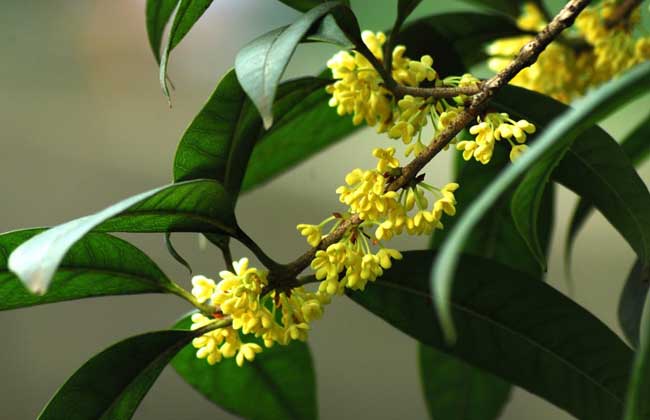
Osmanthus is one of China's ten traditional famous flowers, an excellent landscape tree that combines greening, beautification and fragrance, offering both ornamental and practical value. Its clear fragrance can banish all dust, and its rich scent carries far and wide, making it truly unique. It is widely used in landscape construction, and osmanthus tea made from osmanthus flowers is also deeply loved by the public. Let's take a look below at what uses osmanthus has!
The medicinal value of osmanthus
Osmanthus is used medicinally with its flowers, fruit and roots. The flowers are harvested in autumn, the fruit in spring, and the roots in all four seasons, each dried separately. The flowers are pungent in taste and warm in nature, with the effects of dispelling cold and breaking up stagnation, and resolving phlegm and relieving cough, used for toothache, coughing and wheezing with copious phlegm, amenorrhea and abdominal pain, and other conditions. The fruit is pungent and sweet in taste and warm in nature, with the effects of warming the stomach, calming the liver and dispelling cold, used for deficiency-cold stomach pain. The root is sweet and slightly astringent in taste and neutral in nature, with the effects of dispelling wind-dampness and dispelling cold, used for rheumatic muscle and bone pain, low back pain, and kidney-deficiency toothache, and other conditions.
The dietary uses of osmanthus
Osmanthus can be used to make pastries, candies and wine. Common preparations include glutinous rice lotus root with osmanthus, osmanthus huanglin pastry, osmanthus cake, goji berry osmanthus tea, osmanthus purple sweet potato glutinous rice, osmanthus milk tofu, osmanthus fermented rice wine small round dumplings, braised osmanthus sausage, osmanthus almond tofu, and osmanthus red bean porridge. The ancients regarded osmanthus as the chief of a hundred medicines, so wine brewed with osmanthus was believed to have the effect that "drinking it brings a thousand years of life." Osmanthus tea can nourish the skin and beautify the appearance, soothe the throat, improve symptoms of copious phlegm and cough, and treat duodenal ulcer, hives, cold stomach and stomach pain, bad breath, blurred vision, and other conditions.
The landscaping uses of osmanthus
Osmanthus is evergreen all year round, with luxuriant branches and leaves. It blooms in autumn and its fragrance spreads in all directions, so it can be called "dominating the three autumn months and pressing down all other flowers." It is commonly used in gardens, often as a landscape tree, planted singly, in pairs, or in clumps and groves. In Chinese classical gardens it is often combined with buildings, mountains and rocks, with cluster-shrub forms planted near pavilions, terraces, towers and chambers. In ancient Chinese poems praising flowers, the number of works praising osmanthus is also quite considerable. It has been deeply loved by the Chinese people since ancient times, symbolizing to the Chinese sublime nobility, beauty, auspiciousness, friendship, loyal and upright people, upright and unyielding character, immortal friends, immortal guests, and so on.