When Does Sage Bloom? An Introduction to Its Blooming Period
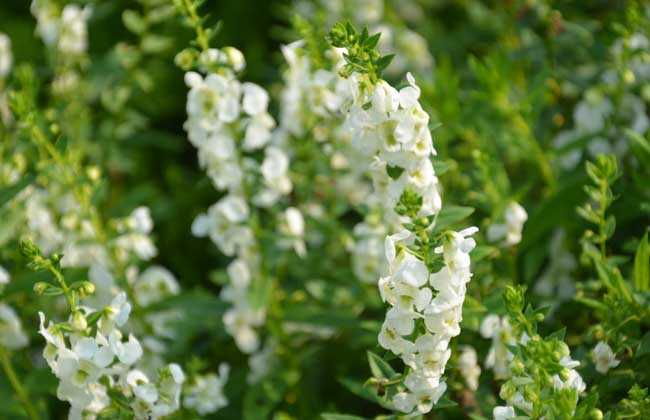
Sage is a plant found in many regions of China. In summer it produces light purple flowers and has excellent ornamental value. It can also be used as food, and eating it provides certain health benefits for the human body. Its vitality is very strong, and it is especially highly resistant to pests and diseases. Now let us take a look at when sage blooms!
When does sage bloom?
Sage usually blooms from June to September. In autumn, when the flower buds have already formed, do not prune, so as to avoid cutting off the buds. After the first round of flowering has finished, remove the withered branches, and the side branches left behind will quickly bloom again. In low-altitude areas, it will bloom 3 to 4 rounds each year. From the start of blooming to the fall of the flowers, it can last one month, and a single flower can stay open for 2 to 3 days. Generally, after the flowers fade, the plant will wither and needs to be replanted from seed.
What is the flower language of sage?
Family values. If you like this flower, you value chastity, act openly and honorably, and are the upright type of person. You love your family, have an intellectual side, and are highly creative; those you care for can enjoy a full sense of security. To achieve your ideals, you are willing to spend time and physical energy, and you tend to achieve success late in life. The flower language of purple sage is wisdom, that of red sage is a burning heart, that of blue sage is rationality, and that of pineapple sage is passionate longing.
How is sage best planted?
1. Seed propagation: Sage can be sown in spring and early autumn. Before sowing, to improve the germination rate and speed up sprouting, the seeds can first be soaked in warm water at 50°C. When the temperature drops to 30°C, rinse them several times with clean water, then place them at a constant temperature of 25-30°C to germinate, or soak them in clean water for 24 hours before sowing. Both direct sowing and seedling transplanting are acceptable. Because sage seeds are small, shallow sowing is advisable. After sowing, cover with a thin layer of soil and water frequently to keep the soil moist.
2. Cutting propagation: Sage cutting propagation usually takes place in May and June, choosing the less tender tips from the top of the branches, 5-8 cm long, cutting them off below a stem node, removing 2-3 leaves at the base, and inserting them into the seedbed at a row and plant spacing of 5 cm × 5 cm, to a depth of 2.5-3 cm. Water after inserting, and cover with plastic film to retain moisture. After new roots emerge in 20-30 days, transplant at a density with row and plant spacing of (45-50) cm × (25-30) cm.
3. Field management: After sage is transplanted, loosen the soil and remove weeds in time. Irrigate appropriately during drought, and drain promptly after rain. During the growing season, apply topdressing 2-3 times as needed, each time about 5 kg of urea per mu. North of the Yangtze River, soil should be banked up in winter to overwinter. Generally, after the aboveground part is harvested and before the winter freeze, after watering, bank up soil to a height of 20 cm. After the last frost the following spring, open the soil and water to encourage sprouting and growth. In South China, it can overwinter safely without covering.
4. Pest and disease control: Common pests of sage include whiteflies and aphids, which need active control. Common diseases include downy mildew and leaf spot. When disease occurs, spray 50% thiophanate-methyl wettable powder at 500 times dilution for control.