Sage Planting Techniques and Key Field Management Points
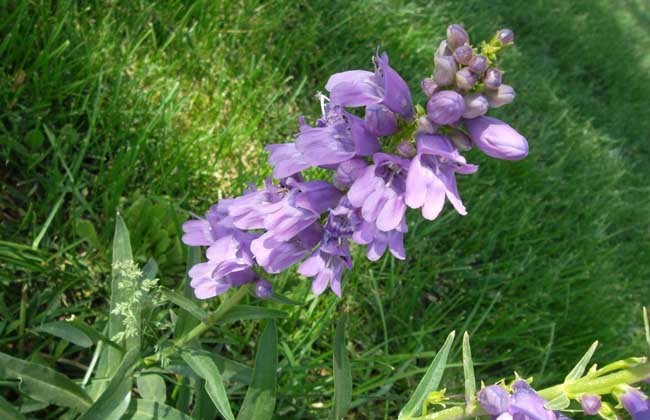
Sage is an evergreen small subshrub in the Lamiaceae family, genus Salvia, with woody stems, grayish-green leaves, and blue to blue-purple flowers. It is native to southern Europe and the Mediterranean coastal region and has many different uses and benefits. It is often cultivated as a kitchen herb or medicinal herb and has extremely high cultivation value. Let's take a look at sage planting techniques below!
Sage Growing Habits
Sage prefers a sunny or semi-shaded environment, is relatively cold-tolerant and can endure low temperatures of -15°C, prefers well-drained sandy loam, is relatively fond of fertilizer, has strong drought tolerance, and prefers well-drained slightly alkaline calcareous soil. It grows on hillsides, roadsides, shaded grass clumps, watersides, and under forest shade. In China, it mainly grows in Zhejiang, southern Anhui, Jiangsu, Jiangxi, Hubei, Fujian, Taiwan, China, Guangdong, Guangxi, and other places, and it is also distributed in Japan.
Sage Propagation Techniques
1. Seed propagation: Sage can be sown in spring and early autumn. Before sowing, to improve the germination rate and promote early sprouting, the seeds can first be soaked in warm water at 50°C. When the temperature drops to 30°C, rinse them several times with clean water, then place them under a constant temperature of 25-30°C for germination, or soak them in clean water for 24 hours before sowing. Direct sowing or seedling raising followed by transplanting are both acceptable. Because sage seeds are small, shallow sowing is advisable. After sowing, cover with a thin layer of soil and water frequently to keep the soil moist.
2. Cutting propagation: Sage cutting propagation usually selects in May-June a not-too-tender top shoot from the branch tip, 5-8 cm long, cuts it below the stem node, removes 2-3 leaves at the base, and inserts it into a seedling bed at a row and plant spacing of 5 cm × 5 cm, to a depth of 2.5-3 cm. After insertion, water and cover with plastic film to retain moisture. After new roots emerge in 20-30 days, transplant at a density of (45-50) cm × (25-30) cm row and plant spacing.
Sage Planting Techniques
1. Transplanting and potting: When sage has 2 to 3 true leaves, begin transplanting into pots. Generally, 12 cm to 13 cm nutrition pots are chosen for transplanting. For the substrate, choose loose, well-aerated garden soil plus organic fertilizer and compound fertilizer. For pinching treatment, when the plant grows 4 pairs of true leaves, retain 2 pairs of true leaves and pinch off the growing tip to promote side branches.
2. Temperature management: After potting, lower the temperature to 18°C, and after one month it can be lowered to 15°C. If the temperature is below 15°C, the leaves will turn yellow or fall off, and when the temperature is above 30°C, flowers and leaves will be small and plant growth will stop.
3. Fertilization management: During the growing period, apply ammonium sulfate diluted 1500 times to sage to change leaf color, with good results. Do not apply urea at low temperatures. To make the root system robust and the branches and leaves lush, continuous fertilization is very important. Apply a compound fertilizer containing calcium and magnesium at 100 ppm once every half month, and apply phosphorus and potassium fertilizer once more before flowering.
4. Light management: Sage prefers a sunny environment. In hot summers, appropriate shading is needed. During the seedling stage, strengthen light to prevent leggy growth.
5. Pest and disease control: Common pests of sage include whiteflies, aphids, and others, which need active control. Common diseases include downy mildew, leaf spot, and others. When diseases occur, spray 50% thiophanate-methyl wettable powder at 500 times dilution for control.