What flower brings the most joy to grow in summer? Petunias, of course.
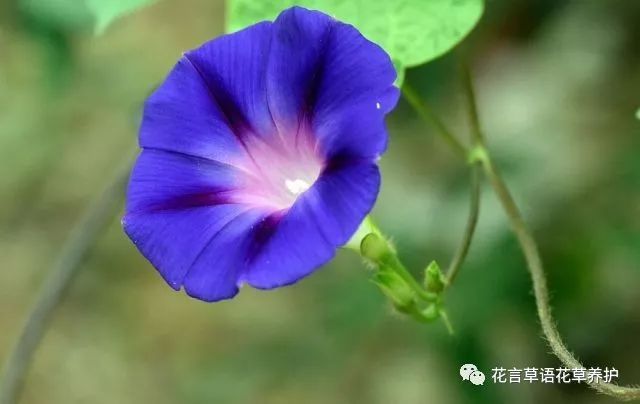
Petunias and morning glories are two plants of different families and genera.
Morning glory, Convolvulaceae, Ipomoea, is an annual climbing flower.
Petunia, Solanaceae, Petunia, is a perennial herbaceous plant.
The petunia can be called the king of herbaceous flowers. Petunias are almost a must-grow variety for flower lovers. Indeed, the petunia is a plant that is easy to grow and easy to get results from. It not only comes in a full range of flower colors, but also has a huge number of blooms, flowering continuously, fearing neither cold nor heat. The growing method for petunias is actually very simple too.
How to sow
Petunias are a sow-to-grow type of plant, with a germination temperature of 15°C-20°C. Below 10°C they generally cannot germinate. Petunia germination requires light; if during the seedling-raising period they do not get enough sunlight, petunias are very hard to germinate.
Petunia seeds are tiny. When raising seedlings, a sandy loam soil is ideal. When sowing, there is no need to cover them with soil; just scatter them evenly on the soil surface. Keep the potting soil moist; it is recommended to use a misting spray bottle for watering. Mist spraying can prevent the seeds from being washed away, and it also covers a wide area, which can raise the germination rate of the seeds.
Daily care
After petunias germinate, the new seedlings are fragile and cannot be exposed to direct blazing sun, but they also cannot stay in a dark place all the time, as that is bad for growth. The new seedlings should be placed in a spot with bright, indirect light.
Petunias grow very fast and can grow new leaves within a few days, and at this point they need to be transplanted.
Transplanting conditions: when the seedlings have grown 6 or 7 leaves.
Soil choice: breathable, water-retentive sandy soil.
Note: After transplanting, petunias have a period of adjusting to the pot, during which they need to adapt to the new environment. A petunia in this adjusting period, if placed directly under the sun, is prone to seedling burn. It should be kept in a cool place for a period of time, and once new leaves emerge at the top of the petunia, it can be exposed to light.
The secret to a pot-bursting bloom
The beauty of petunias lies in their blooming, especially in the pot-bursting state, with flowers packed tightly together without a single gap, one after another, blooming in a wonderfully lively way.
However, some flower lovers say that the petunias they grow have never burst into a full pot, with only a few scattered flowers here and there. Pot-bursting? Not a chance.
Today, the editor will reveal for everyone: the secret to petunias bursting into a full pot.
Actually, it only takes two words: pinching off.
Pinching off the top is good for side branches to sprout
Pinching off, that is, removing the tip, means pinching off the top of the plant to develop side branches.
When petunias grow to 8 or 9 leaves, you should start pinching off the tops. Pinch off the top of the petunia. Once the top of the petunia is pinched off, it receives a signal to stop growing upward, and then it quickly responds by growing sideways, directing nutrients to the side branches.
Before pinching off
This kind of pinching off needs to be repeated several times, and the side branches also need to be pinched off, so that more side branches will branch out and more flowers will bloom. After each pinching off, do not rush to water, because after pinching off the wound has not fully healed. If it comes into contact with bacteria in the water at this time, the plant is prone to infection by pathogens. You should wait until the wound has healed before watering.
After pinching off, the side branches of the petunia grow rapidly
In addition, regular pruning is also needed. Petunias grow aggressively, and the leaves and side branches need to be pruned regularly to control their shape, which can reduce the diversion of nutrients.
Fertilizing properly
Once flower buds appear, do not apply nitrogen fertilizer anymore; instead, switch to spraying the leaves with a potassium dihydrogen phosphate solution. This way the plant will not grow leggy, and there will be more flower buds.
After petunias bloom, spray the leaves once every 7-10 days with a mixed solution of potassium dihydrogen phosphate and organic amino acid liquid fertilizer.
Pest and disease control
Petunias are prone to attracting whiteflies and leaf miners. Just use a bit of Huhuashen, or little pink medicine plus little blue medicine, and it will be fine.
Petunias have a very long flowering period, blooming from early summer all the way to late autumn without interruption. Even if they wilt, a little water will bring them right back to life.
If you like a magnificent mass of flowers, you absolutely must not miss out on petunias.
PlantsWord Smart Cloud Irrigation Flower PotAfter a long period of collecting and organizing, it has3600included many kinds of plants, including plant propagation methods, care tips, pest and disease control, and so on, aspiring to fulfill a pastoral dream for every plant lover.