When Do Morning Glories Bloom? A Full Analysis of Their Blooming Period
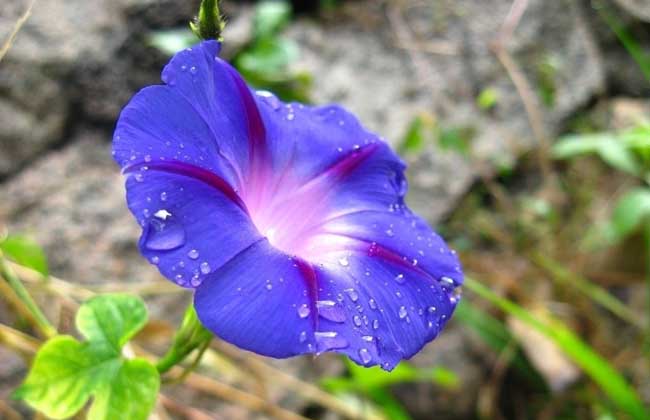
Morning glory, also known as lalang flower, jinjiaolazi, big morning glory, hardworking lady and so on, is an annual twining herbaceous vine of the genus Ipomoea in the family Convolvulaceae. Its trailing stems are slender, the whole plant is densely covered with short bristles, and its trumpet-shaped corolla is bright and beautiful. Besides being cultivated for ornamental purposes, its seeds are a commonly used traditional Chinese medicine. Let's take a look below at when morning glories bloom!
When do morning glories bloom?
The blooming period of morning glory is from June to October. It usually opens slowly at 4 to 5 o'clock in the early morning, and by around noon the flower has already faded. This is because the morning glory flower is large and thin, and the flower contains abundant water; when the sun shines on it, the water in the flower evaporates dry within a relatively short time. In a cool, shady place the morning glory withers more slowly, and sometimes the flower is even still open in the afternoon.
What is the flower language of morning glory?
Everlasting love. The morning glory has a folk name, “hardworking lady”, and from the name alone you can tell it is a very industrious flower. Whenever the rooster has just crowed for the first time, when the hour hand is still pointing around the “four”, the morning glory branches winding around fences and trellises will open one trumpet-like morning glory after another. This morning glory lets people in the dawn light breathe the fresh air while feasting their eyes on the fresh flowers dotted among the green leaves. It really has a special charm, no wonder it is so likable.
Why does morning glory change color?
Morning glory often changes color. A purple morning glory sometimes turns blue, and sometimes turns red. The color change is caused by a gene that leads to a change in the pH of the cell vacuole. According to a report in the British journal Nature, the color of morning glory flowers is not only related to the pigments and metal ions contained in the cells, but is also affected by the pH of the liquid inside the cell vacuole. The vacuole is a bubble-like structure in the cytoplasm, wrapped by the vacuolar membrane and containing a watery cell sap, which includes components such as salts and sugars. Scientists selected a morning glory that was still purple after blooming and compared it with a blue morning glory. The results showed that after blooming, the vacuole pH of the purple flower remained neutral, while the vacuole of the blue flower became alkaline, causing the flower color to change from purple to blue, just as litmus paper turns blue when it meets an alkaline solution.