Is the morning glory poisonous? Understanding the toxicity of the morning glory
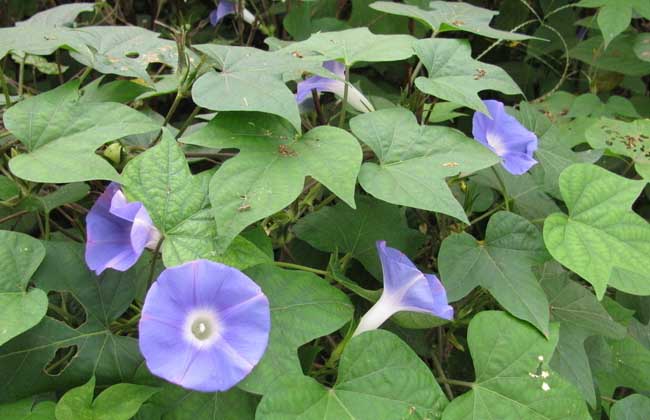
The morning glory, also known as trumpet flower, qianniu, morning face flower, etc., is an annual twining herbaceous flowering plant of the genus Ipomoea in the Convolvulaceae family. It has a history of more than a thousand years since entering the ranks of traditional famous flowers. Not only is it recorded in flower manuals, flower records and famous works, but there are also many poems and essays praising it through the ages. Its flowering period is from June to October, and most flowers open in the morning and fade at noon. Now let us take a look at whether the morning glory is poisonous!
Is the morning glory poisonous?
The morning glory is poisonous. The whole plant is toxic, with the seeds being the most toxic, containing substances such as pharbitin. When taken in large amounts, in addition to directly irritating the gastrointestinal tract and causing vomiting, diarrhea, abdominal pain and bloody stools, it may also irritate the kidneys and cause hematuria. In severe cases, it can damage the cranial nerves. In particular, if the hypoglossal nerve is severely damaged, it can cause paralysis of tongue movement and lead to speech impairment, and may even cause coma and other poisoning symptoms. After the seeds are harvested, they should be stored carefully, especially to prevent children from taking them by mistake.
Medicinal value of the morning glory
The seeds of the morning glory are a commonly used traditional Chinese medicine. The black ones are called "heichou" and the pale yellow ones are called "baichou". They contain resin glycosides, pigments, fatty oils, organic acids and other components. Heichou is mostly used in medicine, and it has the effect of promoting diuresis and urination, mainly treating edema and abdominal distension, difficult urination and defecation, and other symptoms. The traditional Chinese medicine heichou, that is, the seeds of the black morning glory, is ground into fine powder, mixed with egg white, applied to the affected area before going to bed, and washed off with clean water the next morning. Used continuously for one week, it has the effect of eliminating freckles. Pay special attention that heichou is slightly toxic, so never take it orally.
Medicinal effects of the morning glory
1. Purgative: The seeds of the morning glory contain pharbitin, pharbitic acid A and gallic acid, and have a strong purgative effect. In the intestines, they decompose into pharbitin when encountering bile and intestinal fluids, stimulating the intestinal tract, increasing peristalsis, and causing purgation.
2. Diuresis and swelling reduction: The morning glory has a very good diuretic and swelling-reducing effect. Limb edema, nephritic edema and even ascites due to cirrhosis can all be treated with the morning glory.
3. Treating insect bites: The leaves of the morning glory can be used as medicine for insect bites. They can not only treat mosquito bites, but are also very effective for centipede and wasp stings. Take three or four morning glory leaves and rub them with both hands to produce a sticky liquid, then rub it together with the morning glory leaves on the bitten area. It immediately relieves pain and itching, and afterward no fluid will ooze out.
4. Removing freckles: The seeds of the black morning glory can also remove freckles. The method is to grind the seeds of the black morning glory into fine powder, add egg white, apply it to the affected area before going to bed, and wash it off with clean water the next morning. Used continuously for one week, it can eliminate freckles. Pay special attention that the seeds of the black morning glory are slightly toxic, so never take them orally.