Is pagoda tree flower poisonous? Learn these things before eating it
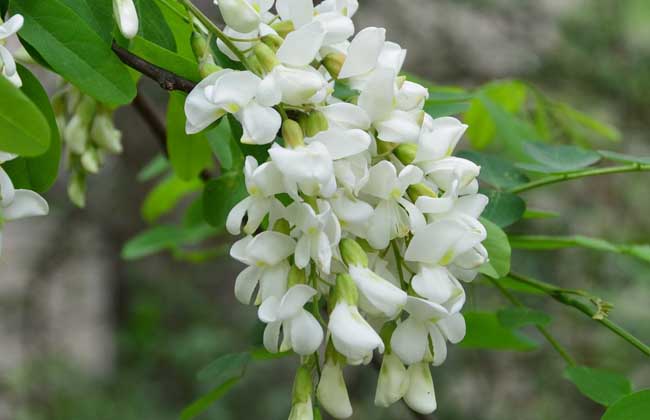
The pagoda tree (Sophora japonica) is a tree widely planted in the North China region of our country. Its flowering period is from the end of April to the first ten days of June each year. The flowers are white, and when they bloom, from a distance they look like a layer of pure white snow spread over the tree, very pleasing to the eye. It not only has ornamental value, but is also an edible flower. Below let us take a look together at whether pagoda tree flower is poisonous!
Is pagoda tree flower poisonous?
Pagoda tree flower is not poisonous. Modern medical research shows that pagoda tree flower contains rutin (namely rutoside), quercetin, tannins, sophoradiol, vitamin A and other substances, and contains no substances toxic to the human body, so it is not poisonous, and generally everyone can eat it with confidence. However, it should be noted that although all types of pagoda tree flowers are non-toxic, only the pagoda tree flower can be used as food. The Chinese scholar tree (Sophora japonica) is mostly dried and used as traditional Chinese medicine, while the flowers of the fragrant roseleaf sophora are purplish red, with low nutritional value, and it is mostly used as an ornamental plant.
The effects and functions of pagoda tree flower
1. Cooling blood and stopping bleeding: Pagoda tree flower tastes bitter and is slightly cold in nature. In traditional Chinese medicine theory, it enters the liver and large intestine meridians. It is a substance with high medicinal value and is mostly used clinically in the combined treatment of bleeding and blood-heat type conditions, with good effects on diseases such as bloody stool, bloody urine and hemorrhoidal bleeding.
2. Lowering blood pressure: Modern research shows that pagoda tree flower contains abundant rutin. Rutin is an important substance that increases the resistance of capillaries. It can improve the function of capillaries, increase the elasticity of blood vessel walls, and greatly reduce the probability of cerebral vascular rupture in people, thereby playing a role in preventing stroke and high blood pressure.
3. Clearing the liver and purging fire: Pagoda tree flower enters the liver meridian, and also has good therapeutic effects on excessive liver fire, headache and red eyes, sore and swollen throat, loss of voice, and carbuncles, sores and ulcers.
4. Usually moistening the intestines: Drinking water with honey produced from pagoda tree flower can regulate gastrointestinal function, normalize gastric acid secretion, enhance intestinal peristalsis, and significantly shorten defecation time.
5. Anti-inflammatory and sterilizing: The rutin, sophoradiol and various sugars contained in pagoda tree flower can quickly kill harmful substances in human blood and prevent them from circulating in the human body, preventing the occurrence of various inflammations. Applying the juice of pagoda tree flower on the skin can effectively resist fungi.
How to eat pagoda tree flower
1. Pagoda tree flower filling: Wash the sand and dust off the pagoda tree flower with clean water, put it in a pot and boil it briefly, just until it is par-cooked. Take the pagoda tree flower out of the pot, put it in clean water to soak, to remove the grassy smell, then squeeze out the water by hand and dry it for later use. Take an appropriate amount of fresh chives or hotbed chives, trim and wash them and chop them finely. Take an appropriate amount of sheet jelly or vermicelli, boil them soft and thoroughly in boiling water, and chop them finely. Take several fresh eggs, fry them cooked, and chop them finely. The total of the above 3 ingredients should be equal to the pagoda tree flower, that is, each accounts for 1/2 of the total. Add refined salt, sesame oil and a little Sichuan pepper powder, mix well and the dumpling filling is ready.
2. Steamed pagoda tree flower rice: Rinse the pagoda tree flower with clean water, dry it and put it in a basin, pour in flour and stir evenly, so that every flower is coated with flour. Put a piece of gauze on a steamer basket, then pour in the pagoda tree flower, poke a few vent holes in the pile of pagoda tree flower with chopsticks, and steam over heat for ten minutes. Take it out of the steamer and put it in a basin, stir to break it up, and after it cools, put it in a wok, add oil, scallion and ginger, stir-fry until hot, and finally add salt and take it out of the pan. Eating pagoda tree flower rice with small pickles or soup will make it even more delicious.
3. Steamed fish with pagoda tree flower: Wash the fish, remove the scales, gills and internal organs, make a few diagonal cuts on the trunk of the fish, put it in a clay pot, add scallion, ginger, garlic, salt, cooking wine and an appropriate amount of clean water, and steam over gentle heat for 20 minutes. Then add the washed pagoda tree flower, add a little monosodium glutamate and sesame oil for seasoning, and it is ready to eat.
4. Pan-fried pagoda tree flower pancakes: Add flour, salt, Sichuan pepper powder and eggs to the pagoda tree flower, then stir all of it evenly, finally stirring it into a thick paste. After that, spread the prepared pagoda tree flower paste in a hot oil pan and pan-fry it. When it is fried until both sides are deep yellow, the richly fragrant pagoda tree flower pancakes are done.