How to grow Aloe polyphylla? A detailed guide to cultivation methods
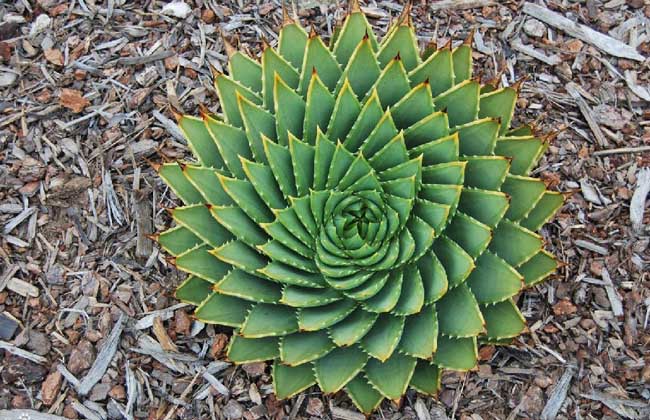
Aloe polyphylla is also known as multi-leaf aloe, spiral aloe, and Solomon's jade crown, among other names. It is an aloe endemic to the Drakensberg Mountains of Lesotho, with extremely high ornamental value. Seedlings can usually only be obtained through sowing and artificial intervention to damage the growth point, so the seeds of multi-leaf aloe are also among the most expensive of almost all plants. Let's take a look at the cultivation methods for Aloe polyphylla below!
Growth habits of Aloe polyphylla
1. Multi-leaf aloe is distributed on high-altitude mountain slopes, growing in loose rocks within basalt rock crevices on steep slopes, and often grows in the cloud belt of Lesotho. The soil in its growing area is well-drained, with ample rainfall in summer.
2. Multi-leaf aloe likes environments with extreme temperature differences between day and night. During the winter dormant period, the plant can withstand freezing without damage, and in summer daytime it can endure high temperatures above 40°C. Multi-leaf aloe has a very long lifespan and can live for more than 50 years.
3. Multi-leaf aloe does not grow slowly once mature, but because it has a strong apical dominance, it almost never produces offsets under natural conditions. Its flowers are very spectacular and beautiful, but multi-leaf aloe only blooms under special climates in its native habitat, and sometimes when the climate is unsuitable, it may not bloom for many years.
Sowing and propagation of Aloe polyphylla
1. Method one: Place Aloe polyphylla seeds in the refrigerator for one month (this does not mean quick freezing; as a heat-loving alpine plant, could it like quick freezing?). Then sow the Aloe polyphylla seeds on the surface of a mixed soil, without any covering. After that, soak the pot from below and place it in a cool room, keep it moist, and wait for germination.
2. Method two: Sow Aloe polyphylla seeds on pure sand, cover with a thin layer of fine sand, soak the pot from below and keep it moist. The seedling pot needs to be heated (a question: is it heated after sowing or is the medium heated for sterilization before sowing? Personally, I think it is after sowing, because the seeds need heat, and they can be exposed to full sun when the sun comes out to achieve the heating effect). Generally, the first seed will germinate in about 21 days, but it cannot be ruled out that these little things may take a year to germinate.
3. Method three: Mix peat and perlite at a ratio of 2:1, place the soil in a pot, then cover with a thin layer of small gravel particles, about 1 to 2 mm thick. Sow the seeds on the gravel, and place the seedling pot in a 20°C environment, cover with newspaper (newspaper is much more breathable than the plastic film we commonly use) until germination (germination may take 6 weeks).
4. Method four: Carefully rub off the seed coat of Aloe polyphylla seeds with sandpaper (be careful not to rub too hard), then use the paper towel germination method to sprout them, and they will germinate in 3 to 4 days.
Cultivation methods for Aloe polyphylla
1. Watering: Timely watering is something to pay special attention to in hot summers. Aloe likes light and tolerates heat, but when summer temperatures are high and rainfall is low, drought must also be prevented. Proper watering can achieve higher yields. The watering process must not be excessive; generally watering once every 5 to 10 days is enough. In autumn, watering should be controlled, and misting can be used instead. It does not matter even if the soil is relatively dry, otherwise root rot is very easy.
2. Sunlight: In autumn and winter, besides paying attention to keeping warm, also try to let the aloe see as much sunlight as possible. Indoor potted aloe can be placed in a wind-sheltered, sunny spot. If the temperature is relatively low, it can be covered with a transparent plastic bag and sunned after 9 a.m. and before 3 p.m.
3. Fertilizing: During the vigorous growth period, nutrients in the soil are continuously absorbed by the plant. If fertilizer is not applied in time, it will affect the growth of the aloe. Organic fertilizer generally has a slow effect, and it will be too late if you wait until the aloe's growth is affected before fertilizing. Do not apply too much fertilizer at one time, and do not contaminate the leaves. If contaminated, rinse with clean water.
4. Loosening the soil: Management should be strengthened during the cultivation of Aloe polyphylla, with repeated loosening of the soil and weeding, which can promote soil aeration, accelerate the transformation of soil nutrients, promote well-developed roots, improve disease resistance, and achieve rapid and healthy growth.
5. Harvesting: Aloe grown for about three years can be harvested. Leaves from plants more than three years old have higher medicinal value. When picking leaves, generally start from the lower part of the plant, remove mature leaves smoothly, do not damage the plant, and keep the main body intact day and night. Because water makes up more than 96% of aloe leaves, the juice flowing out of a damaged leaf is a loss of nutrients. In addition, damaged leaves are not easy to store and will also affect the storage of other leaves.
6. Disease prevention: Common aloe diseases mainly include anthracnose, brown spot, leaf blight, southern blight, and bacterial diseases. Before diseases occur, or after removing diseased parts from plants that have already become diseased, apply 0.5 to 0.8 lime equivalent Bordeaux mixture (that is, add 0.5 to 0.8 kg each of copper sulfate and lime per 100 kg of water) to the aloe leaf surface, which can effectively prevent and inhibit the invasion and spread of pathogens. After diseases occur, systemic therapeutic agents such as thiophanate-methyl and metalaxyl, as well as antibiotics such as streptomycin sulfate, agricultural streptomycin, kasugamycin, and validamycin, can be applied directly to kill pathogenic bacteria inside the aloe and control the spread of the disease.