How to grow pennywort in water? Learn these few steps to grow it easily
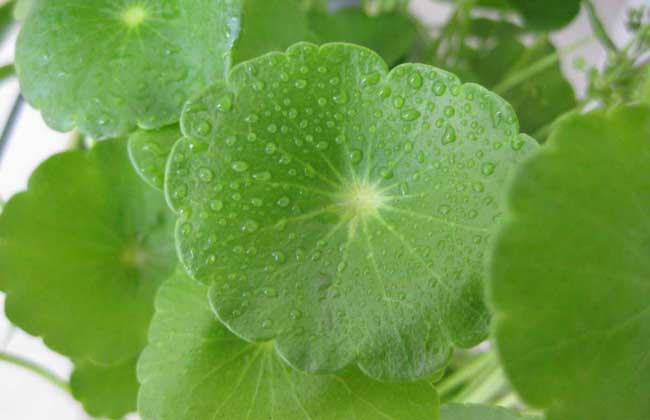
Pennywort, also known as South American pennywort, coin grass, round coin grass, shield-leaved pennywort, money lotus and so on, likes moist environmental conditions and is suitable for growing in water trays, aquariums, ponds or wetlands. It is not strict about environmental requirements, and a moist environment is best. It is suitable for aquatic growth, grows toward the light, and tends to develop uneven crowns and become leggy. Let us take a look below at how to grow pennywort in water!
Can pennywort be grown in water?
Pennywort can be grown in water. Pennywort likes warmth and moisture. For cultivation, a spot with partial sun or shade is best, and direct sunlight should be avoided. It is not particular about the growing medium; a loose, well-draining growing medium is best, or it can be grown directly in water. The most suitable water temperature is 22-28°C. It is shade-tolerant, moisture-tolerant, slightly drought-tolerant, highly adaptable, vigorous by nature, easy to plant, and fast to propagate, and it can grow both in water and on land. Pennywort is afraid of cold. In winter, for pennywort kept outdoors, all the water can be poured out and the plant placed in a south-facing, sunny, sheltered spot, where it can overwinter safely, though some leaves will die back, and the underground root system will sprout again the following spring. In cold northern regions without heating, you can make a cover and cover it together with the pot, pour out the water, and keep it moist; as long as the room temperature does not drop below zero, it will likewise continue to grow the following year.
How to grow pennywort in water
1. Water quality: Pennywort does not have high requirements for water quality in water culture. As long as the water does not stink or breed insects, ordinary tap water can be used directly for water culture. In summer, change the water about once every 3-4 days, each time changing half a basin, and in winter change it once a week, each time changing one third.
3. Temperature: Pennywort is suitable for production in most of the hot and humid regions of the south, especially in summer, when it propagates particularly quickly. Its normal growth temperature is most suitable between 10-26°C; too hot or too cold will inhibit the growth of pennywort.
3. Light: Pennywort extremely loves sunlight when growing, so it is best to place the water basin outdoors or by a window with ample light. If grown indoors, the daily sunlight exposure time should be no less than 4-5 hours. In addition, UV lamps or strong fluorescent lamps can also be used instead of sunlight for lighting.
4. Fertilizing: Pennywort can produce the nutrients it needs for growth on its own through photosynthesis, so it can be fertilized relatively little. If fertilization is needed, ordinary fertilizer can be dissolved in the water basin and left for it to absorb on its own, but be careful that the concentration is not too strong; a small amount is enough.
5. Pests: Pennywort generally does not attract pests, but mollusks such as water snails may nibble the grass roots and tender buds. If such small pests are found in the water, they should be removed by hand to prevent them from multiplying in large numbers.
Notes on growing pennywort in water
1. There is no need to change the water especially frequently; on the premise of ensuring there is enough water in the basin, changing it once a week is enough. In summer, the water can be changed a bit more frequently, mainly to prevent mosquitoes from laying eggs in it.
2. Maintain enough light. Only when it receives more than 4 hours of sunlight per day can pennywort grow lush and emerald green. Pennywort especially loves sun; under ample sunlight it can grow rapidly even without fertilizer. Conversely, if there is insufficient light or it is placed in a dark indoor area for a long time, the leaves of pennywort very easily turn yellow and wither.
3. As for fertilizing, there is no need for much fuss. If you keep goldfish at home, you can pour the water from changing the goldfish water into the pennywort basin, which can make the pennywort grow better.
4. In the south, it can survive naturally very well when growing within a temperature range of 16-24°C. However, too high or too low a temperature will inhibit the growth of pennywort, and at high temperatures it is also easier for small insects to breed in the water.
5. When growing pennywort in water, yellowed leaves will rot in the water and spoil the water quality, so we should regularly check the water container, and any moldy, rotten leaves found should be taken out as soon as possible.
6. Vigorously growing pennywort can spread to fill the entire water basin in one month, so we should properly prune and divide it, transplanting overly dense pennywort into other water basins, so as to avoid mature leaves shading the light of tender leaves and affecting normal plant growth and metabolism.