Geranium Seed Propagation Methods and Sowing and Seedling Techniques
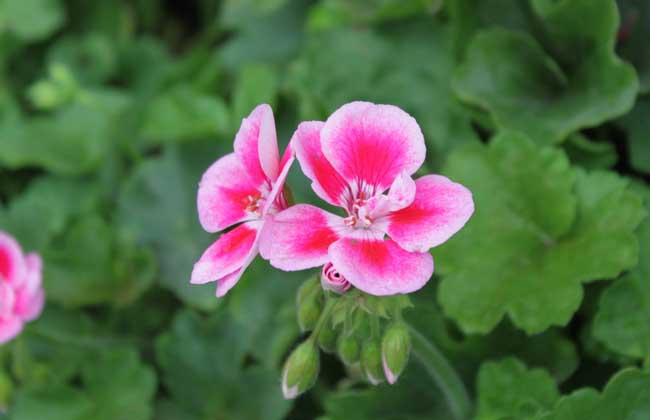
Geranium is a perennial herbaceous plant of the genus Pelargonium in the family Geraniaceae, also known as zonal geranium, fish geranium, horseshoe geranium, and garden geranium. Young plants are succulent herbs, while older plants become semi-woody. In the West, it is an excellent flower for decorating windowsills, and on the European continent, such as in Germany and Austria, it is especially common. Let's take a look at geranium seed propagation methods below!
Geranium Sowing Time
Geranium sowing can be done in both spring and autumn, with indoor pot sowing in spring being preferable. The optimal germination temperature is 20-25°C. The seeds are not large, so after sowing the soil covering should not be too deep, and they will germinate in about 14-21 days. Autumn-sown plants can bloom in the summer of the following year. Seedlings grown from seed propagation can be selected to produce excellent intermediate-type varieties.
Geranium Sowing Methods
For geranium sowing propagation, use a substrate mixed with peat soil, vermiculite, and perlite in an 8:1:1 ratio. Before sowing, water the substrate thoroughly, then evenly sow the seeds into the seedling tray, cover with vermiculite at a thickness of about 3 times the seed diameter. Disinfect the sowing box with chlorothalonil, set up an arched frame, and cover with plastic film. The temperature should be 20°C to 23°C, and humidity should be maintained above 95%. After about a week when sprouting is uniform, remove the plastic film. Since the seedling substrate has few nutrients, spray foliar fertilizer every 10 days, and a compound fertilizer with relatively high phosphorus and potassium content can be chosen.
Geranium Seedling Stage Management
1. Temperature: The most suitable temperature for geraniums is 10-20°C, which means spring and autumn are the most suitable seasons; winter is too cold and summer is too hot. Therefore, in summer, be sure to prevent exposure to direct sunlight and place it in a shady spot. In winter, indoor temperatures should not drop below 0°C, otherwise it will suffer frost damage. If there is no heating equipment, turning on a 200° large light bulb in a small room also has a certain anti-freezing effect.
2. Water: Overwatering is forbidden for geraniums. If you find the roots of the geranium rotting, it may be due to excessive watering combined with relatively muggy weather. Control the watering frequency to once every two or three days, and each watering should be generous in amount to ensure thorough watering.
3. Soil: Geraniums are suitable for growing in sandy soil. Mixing some sandy soil into the soil bought at the flower market is more beneficial for geranium growth.
4. Weather: Strong windy weather will break geraniums, while heavy rainy weather will cause the geranium's root system to be soaked by rainwater, resulting in oxygen deprivation of the roots and causing rot.
6. Fertilizing: Applying too much fertilizer at once will cause dehydration of the geranium. If too much fertilizer is applied, for example, too much nitrogen fertilizer will cause the plant to grow leggy and not bloom. After over-fertilizing, frequent watering can alleviate the symptoms.
7. Light: Sufficient sunlight helps geraniums bloom, but when the temperature is too high, direct sunlight is not suitable. In spring and autumn, expose them to more sunlight; in summer, pay attention to the temperature, and avoid exposing geraniums to light when the temperature is too high.