How to grow Aptenia cordifolia? A detailed explanation of the cultivation methods
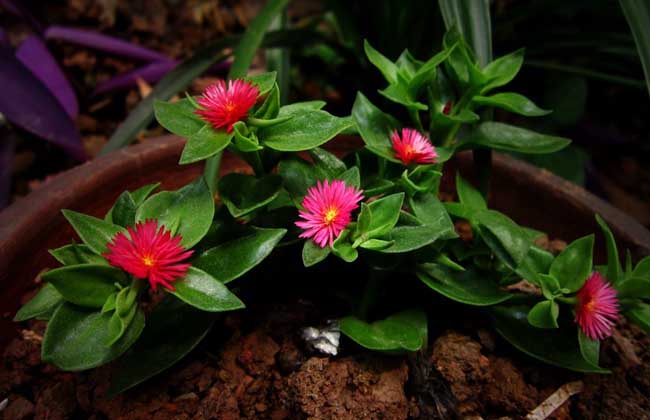
Aptenia cordifolia is also known as dew grass, flowering vine grass, heart-leaf ice flower, dew flower, sun rose, horned spider plant, cherry blossom spider plant, etc. It is a perennial evergreen herb of the genus Mesembryanthemum in the family Aizoaceae, and is not a true spider plant. Because its stems and vines are relatively soft, and after extending they become semi-prostrate with branches drooping, it looks very much like a spider plant and has always been treated as one. Let us take a look below at the cultivation methods for Aptenia cordifolia!
Growth habits of Aptenia cordifolia
Aptenia cordifolia likes sunlight and prefers a dry, ventilated environment. It dislikes high temperatures and excessive moisture, and likes well-drained sandy soil. Aptenia cordifolia is not cold-tolerant, and its suitable growth temperature is 15-25 degrees Celsius. Aptenia cordifolia does not have high requirements for fertilizer and water. Generally, March to September is the peak growth period for Aptenia cordifolia, during which the water demand is relatively large. After September, Aptenia cordifolia enters a slow growth period. At this time, the amount of watering should be gradually reduced to prepare for moving it indoors for the winter.
Propagation methods for Aptenia cordifolia
Propagation of Aptenia cordifolia is very simple, generally using the cutting method: cut a mature branch, let it dry for a moment, then insert it into prepared potting soil, place it in a cool and ventilated place, and keep the soil slightly moist. After a few days, you will see the branch stand upright, which indicates that the new branch has begun to take root.
Cultivation methods for Aptenia cordifolia
1. Soil: Aptenia cordifolia is native to South Africa and likes a sunny, dry, and ventilated growing environment. It dislikes high temperatures and excessive moisture, and likes well-drained sandy soil. Care is relatively simple.
2. Sunlight: Aptenia cordifolia likes light. Apart from appropriate shading at noon in midsummer, it should be given sufficient light at other times of the year, especially in winter. While ensuring temperature, it can be placed in a sunny spot to receive as much sunlight as possible. Those who have the conditions can place it outdoors starting in spring. Plants that receive sufficient light produce abundant flowers with brilliant colors, and their leaves are also less likely to become leggy.
3. Temperature: Aptenia cordifolia likes a warm and comfortable living environment and dislikes high temperatures and cold. Its optimum growth temperature is 15-25 degrees Celsius. In summer, when the temperature is too high, attention should be paid to cooling the plant. It can be moved to a well-ventilated semi-shaded place for care. Aptenia cordifolia is not cold-tolerant, so care is needed after autumn begins. When the weather turns cool, attention should be paid to keeping it warm. Those placed outdoors should be moved indoors in time to avoid the cold, so as not to freeze and damage the plant.
4. Watering: Aptenia cordifolia likes a dry environment, so watering should not be excessive. Every year from March to September is the peak growth period for Aptenia cordifolia. During this period, the water demand is relatively large, especially during the high-temperature period in summer. While increasing the amount of watering, also note that water must not accumulate in the pot. Follow the principle of watering when dry and letting it dry out between waterings, and water thoroughly only after the potting soil has dried. Excessive moisture can easily cause root rot, and in severe cases can lead to death. After September, Aptenia cordifolia enters a slow growth period. At this time, the amount of watering should be gradually reduced to prepare for moving it indoors for the winter.
5. Fertilizing: Aptenia cordifolia does not have high requirements for fertilizer and water. During the growing season, applying cake fertilizer water once about every half month is enough, and this can be adjusted according to the specific growth conditions of Aptenia cordifolia.
6. Pests and diseases: Aptenia cordifolia grows extensively and is not prone to pests and diseases. However, if the potting soil accumulates water and ventilation is poor, in addition to causing root rot, root rot disease may also occur, so attention should be paid to spraying for prevention and control.
7. Pruning: In winter, the leaves of Aptenia cordifolia stop growing and enter the dormant period. Diseased and pest-infested branches, overlapping branches, twin branches, thin and weak branches, aging branches, inward-growing branches, and leggy branches must be cut off in time. Through thinning, heading back, and removal of suckers, the lifespan of the peony can be extended. Keep the peony well ventilated and exposed to light, making it less prone to pests and diseases, ensuring that the tree vigor does not decline and the branches are thick and the leaves lush.
Precautions for Aptenia cordifolia
1. If Aptenia cordifolia is placed in a place with insufficient light for a long time, the leaf color can easily become pale, lacking vitality, and the leaves may even fall off, losing ornamental value.
2. Watering Aptenia cordifolia too much will cause root rot, and in severe cases can lead to death, so the amount of watering should be well controlled.
3. Aptenia cordifolia does not have high requirements for fertilizer or water. During the growing season, attention should be paid to applying cake fertilizer water once about every half month. If too little fertilizer is applied, growth will be slow.
Conclusion: Aptenia cordifolia is mostly potted for embellishing windowsills or desks, and in gardens it is mostly used to create desert landscapes. Different from ordinary spider plants, in addition to general ornamental value, Aptenia cordifolia can also be eaten as a vegetable, which is very good for the body. Its air-purifying effect is also very strong, so growing a pot of Aptenia cordifolia at home is an excellent potted flower for decorating the living room and windowsill.