How to Grow and Care for Strawberry Spider Plant
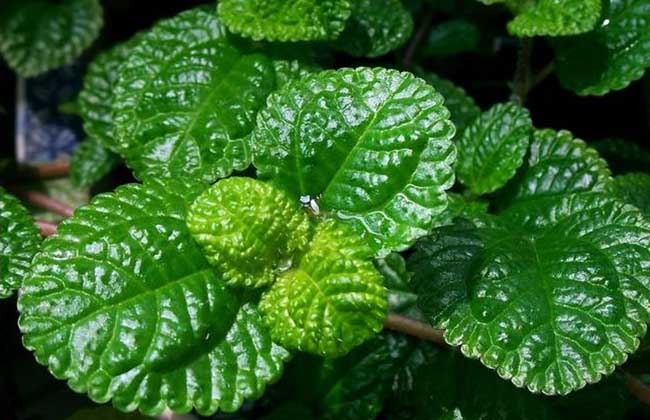
Strawberry spider plant is a commercialized variety of spider plant, with evergreen leaves all year round, pure and elegant white flowers, a pleasant fragrance, and bright red striking fruits. It can be enjoyed both as an ornamental and as food, and strawberry spider plant is suitable for both ground planting and pot cultivation, making it an excellent choice for home gardening. Now let us take a look at how to grow strawberry spider plant!
Growth Habits of Strawberry Spider Plant
Strawberry spider plant prefers warm, humid and semi-shaded places, and is not tolerant of drought. When grown at home, it should be protected from direct sunlight in summer, placed indoors for viewing during the day, and if conditions permit, placed outdoors in a sheltered spot at night (but it must be ventilated). According to its growth condition, in April of spring, division propagation can be carried out together with repotting, and after repotting it should be placed in a semi-shaded place. The soil should be loose, rich in humus and well-drained; soil that is too wet or too dry will cause the branches and leaves to turn yellow and wither. Normally, clean water can be sprayed on the leaf surface frequently to keep the leaves clean and moist. In winter, it should be kept indoors at around 15°C to protect it from frost damage.
Propagation Methods of Strawberry Spider Plant
Propagation of strawberry spider plant is very simple. Usually, young plantlets are used for propagation. After early autumn, cut off the young plantlets that grow from the mother plant, like small spider plants, and plant them in a pot filled with potting soil, adding organic fertilizer as a base fertilizer, then water thoroughly and place in a semi-shaded spot. After the plantlets have established, move them to a sunny balcony, terrace or courtyard, and they will grow into a new plant.
How to Grow Strawberry Spider Plant
1. Light: Strawberry spider plant prefers a semi-shaded environment. In spring and autumn, avoid direct exposure to strong sunlight. In summer, when sunlight is especially strong, it should only receive some slanting light in the morning and evening, and 50-70% of the sunlight should be shaded during the day, otherwise the leaf tips will dry up. Variegated varieties in particular are even more afraid of strong sunlight. Golden-edged strawberry spider plant grows more beautifully in weak light, with the yellow golden edges more obvious and the leaves more glossy. However, in winter it should be given more sunlight to keep the leaves tender and fresh green. When grown in pots at home, strawberry spider plant should be placed in front of a south-facing window, otherwise the leaves will lose their luster or even wither.
2. Watering: Strawberry spider plant prefers a humid environment, and the potting soil should be kept moist regularly. In summer, watering should be sufficient, and around noon and in the evening, water should also be sprayed on the branches and leaves to prevent the leaves from drying out. Indoors there is often a lot of dust. If a lot of dust accumulates on the strawberry spider plant, it will not only affect its growth but also damage the fresh and vivid appearance of the branches and leaves, so the branches and leaves should be sprayed and washed frequently to keep them bright and beautiful. Withered and yellow lower leaves should be removed at any time, and normal humidity should be maintained at ordinary times; it should not be too dry, nor too wet.
3. Repotting: In the management of potted strawberry spider plant, in order to achieve lush stems and leaves, the soil should be changed and the pot replaced once every year in March. If the pot is relatively deep and the base fertilizer is sufficient, repotting can be done once every two years. When repotting, knock the plant out of the pot, cut off withered and rotten roots and excess roots, replace with new potting soil rich in humus, and then apply livestock hoof and horn pieces or decomposed cake fertilizer as base fertilizer. After planting, place it in a semi-shaded, warm place to recover. The most suitable growth temperature for strawberry spider plant is around 25°C. After the plant has recovered to vigorous growth, hang the pot under a corridor eave or in an appropriate indoor position. Generally, the height should be such that it does not bump the head, and attention should be paid to ventilation.
4. Fertilizing: Strawberry spider plant is a foliage plant that is relatively tolerant of fertilizer. If fertilizer and water are insufficient, it easily becomes scorched and aged, and the leaves turn yellow, losing their ornamental value. From late spring to early autumn, an organic fertilizer solution can be applied once every 7—10 days, but for variegated varieties such as golden-edged and golden-hearted ones, less nitrogen fertilizer should be applied, so as to avoid the variegated leaf colors fading or even disappearing and affecting their appearance. Organic fertilizer made by composting bone meal, eggshells and the like can be appropriately applied; after full fermentation, apply it once every 10-15 days to make the variegated leaves bright and vivid.