A Detailed Guide to the Correct Method for Cultivating Banyan Aerial Roots
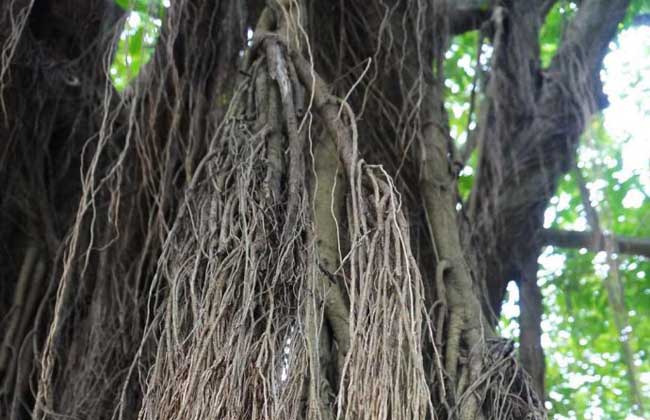
In order to adapt to the rainy, hot and humid environment of the south and to survive better, the banyan tree has grown aerial roots, which help with respiration. For banyan trees, whether potted or grown in the open ground, aerial roots will develop. Aerial roots on potted banyan trees can also improve their ornamental value. Below, let us take a look at the methods for cultivating banyan aerial roots!
How Banyan Aerial Roots Form
1. Natural formation: The trunk and side branches of the banyan tree often produce many fibrous adventitious roots that grow vertically downward. Some hang in the air, while others, after reaching the ground, insert themselves into the soil and form woody pillars like tree trunks, serving to support and absorb.
2. Artificial formation: To increase aesthetic appeal, in places where roots are needed, physical root stimulation or chemical root stimulation is used to force the banyan tree to grow aerial roots.
Preparation for Cultivating Banyan Aerial Roots
1. Tree species selection: For root induction, choose mainly native plants of the genus Ficus in the mulberry family, especially the small-leaved banyan (Ficus microcarpa), the big-leaved banyan (Ficus altissima), and the Leizhou banyan, which have relatively well-developed aerial roots.
2. Cultivation time: Banyan root induction can be carried out in all four seasons, but spring is the most suitable, because in spring the temperature gradually rises and rainfall increases, which is beneficial to plant growth.
3. Aerial root selection: For safety and ease of work, generally choose aerial roots within about 5 m of the ground, and select aerial roots with appropriate spacing according to landscaping or rejuvenation needs.
Methods for Cultivating Banyan Aerial Roots
1. Approach grafting method: Similar to approach grafting in grafting, but there are also differences. The approach grafting here is to attach a small banyan tree with many roots, together with its pot, to the branches and trunk of the banyan tree to be shaped. The method is the same as approach grafting, and after success, remove the pot and the soil between the roots so that the roots of the small banyan tree can grow.
2. Half-broken branch method: Choose a side branch where roots are to be grown, cut a slash near the main trunk deep enough to reach the xylem, gently break it by hand, and seal the wound with mud. Before long, many lateral roots will grow from the break. Guide the lateral roots to grow downward, which can create the landscape of a single tree forming a forest.
3. Binding method: According to the shaping requirements, choose the branch where aerial roots are to be grown, wrap it once with wire, and tighten the wire with pliers to force the tree sap to stop flowing, then cover the wound with wet moss. Before long, milky white root buds will grow from the wound. At this point, use a plastic pot to make an adjustable sleeve, and place moist fine sand, vermiculite, or sawdust inside the pot. Plant the roots in the pot and gradually guide them; once the requirements are met, remove the adjustable sleeve.