Detailed Explanation of the Pruning Methods and Techniques for the Radermachera sinica
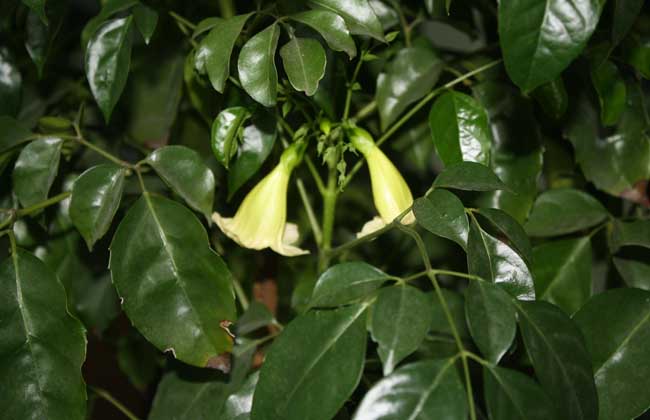
The Radermachera sinica, also known as the bean tree, chili tree, mountain bean tree, etc., is mainly produced in the southern tropical regions of China. It is a plant with high ornamental value and is often seen in many home and office environments. However, many people do not know how to prune the Radermachera sinica. Below, let us take a look at the pruning methods for the Radermachera sinica!
Pruning Methods for the Radermachera sinica
1. Pinching: also called removing the tip or topping, this is the practice of pinching off or cutting off the top shoot of the main stem or side branch of a flowering plant by hand, breaking the plant's apical dominance, promoting the germination of axillary buds below, inhibiting excessive growth of branches, encouraging the plant to branch more, and forming more flower heads and a beautiful plant shape.
2. Head removal: For large flowering plants such as the rubber tree, dragon tree, Schefflera arboricola, and Dieffenbachia amoena, when the plant is too tall and difficult to cultivate indoors, pruning or head removal is needed. Usually, before new branches sprout in spring, all the upper part of the plant is cut off, which is head removal. When removing the head, the height of the trunk left depends on the flower species.
3. Thinning: This includes thinning branches, leaves, buds, flowers, and adventitious buds. When a flowering plant grows too vigorously, causing the branches and leaves to be too dense, some of its branches should be thinned in a timely manner, or the overly dense leaves should be removed, so as to improve ventilation and light transmission conditions, making the flowering plant grow more robust and the color of flowers and fruits more brilliant.
Growing Conditions for the Radermachera sinica
1. Temperature: The Radermachera sinica prefers a warm and hot environment. The suitable growth temperature is around 20°C. When the temperature is very high (above 28°C), appropriate shade should be provided with a shed, and the minimum temperature should not be lower than 5°C to avoid frost damage.
2. Light: Generally, Radermachera sinica cultivation can use full sun or partial shade. However, for indoor potted Radermachera sinica plants, they should be placed in front of a window or on a balcony with sufficient light as much as possible. A long period of dim environment will cause its leaves to fall.
3. Humidity: The Radermachera sinica likes moist soil and air environment. When displaying it indoors for home cultivation, in addition to keeping the pot soil moist, water should also be sprayed on the leaf surface regularly. The plant can also be sprayed with slightly warm clean water to maintain its elegant appearance.
4. Substrate: For Radermachera sinica cultivation, a loose, breathable, and well-drained substrate should be selected. The soil should preferably be sandy loam. The size of the flower pot used can be determined according to the size of the final cultivated plant. The cultivation method currently popular on the market is 1 to 2 plants per pot, with a plant height of more than 70 cm.
Precautions for Cultivating Radermachera sinica
1. The Radermachera sinica is shade-tolerant and can be cultivated in full sun or partial shade. When new growth emerges in spring, watering can be appropriately controlled so that the Radermachera sinica will not grow too tall. In addition, for indoor potted plants, besides paying attention to the moisture of the pot soil, it is also necessary in hot seasons to spray water on the plant 2~3 times a day. In summer and autumn, the plant should be sprayed more to create a cool and moist environment for the plant.
2. In terms of soil, a culture soil that is loose and fertile, well-drained and breathable, and rich in organic matter should be selected. Usually, it is mixed with 5 parts garden soil, 3 parts leaf mold, 1 part decomposed organic fertilizer, and 1 part river sand. During the growing season, loosen the soil once a month to ensure that the root area is always in a well-ventilated state. If water accumulation is found in the pot, it should be drained as soon as possible, and after the pot soil dries, repot and change the soil. The Radermachera sinica grows relatively quickly and needs sufficient nutrients to ensure vigorous growth, so during the growing period it needs frequent fertilization. Generally, a mixed fertilizer with nitrogen, phosphorus, and potassium at 20-10-10 or 15-15-15 is sufficient. Diluted thin fertilizer water can also be used instead of clean water to irrigate the pot soil.
3. The Radermachera sinica likes a warm and hot environment. The suitable growth temperature is 20°C-21°C during the day and 18°C-19°C at night. In midsummer, the temperature should be controlled below 27°C as much as possible. When the ambient temperature is very high, appropriate shade should be provided with a shed. Increase environmental humidity to thereby increase the humidity on the leaf surface. During the overwintering period, the temperature should be maintained no lower than 8°C, and the minimum temperature must not be lower than 5°C. If it is lower than 5°C