What are the symbolic meanings and benefits of the Peace Tree? Read this one article to find out
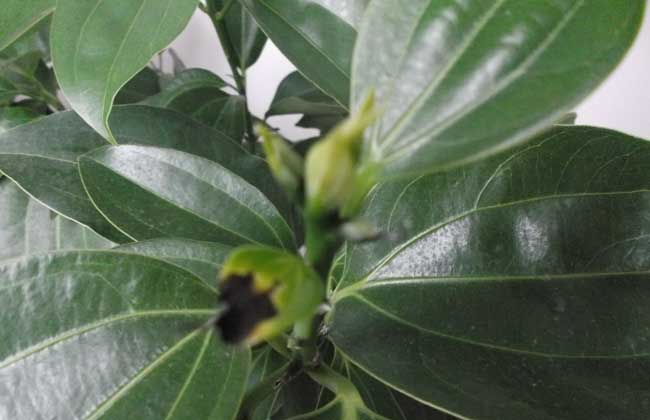
The Peace Tree, originally named Lanyu cinnamon, originated mostly on Lanyu Island in southern Taiwan, China. It is an emerald-green auspicious plant, symbolizing beautiful wishes such as praying for peace, family happiness and everything going smoothly. It also has effects such as purifying indoor air and absorbing decoration pollution, and is deeply loved by the public. Now let us take a look at what the symbolic meaning of the Peace Tree is!
The symbolic meanings of the Peace Tree
Praying for peace、Family happiness、Everything going smoothly. "Peace Tree" is the elegant name of Lanyu cinnamon. Because its bark can be used as medicine and has the effects of dispelling wind and dispersing cold, relieving pain and resolving blood stasis, promoting blood circulation and strengthening the stomach, and because the plant is rich in cinnamon oil and can emit a fragrance that corrects odors and purifies the air, people in the flower planting and flower business industries gave it an auspicious name, "Peace Tree," to cater to urban people's consumer psychology of loving greenery, loving beauty and hoping for peace, and also to help relax people's nerves during stressful work. Therefore, it is quite popular among urban people in both the north and the south. Although the price is not low, it still sells very well.
The benefits of the Peace Tree
1. Medicinal value: The bark of the Peace Tree can be used as medicine and has the effects of dispelling wind and dispersing cold, relieving pain and resolving blood stasis, promoting blood circulation and strengthening the stomach.
2. Purifying air: The Peace Tree has effects such as purifying indoor air and absorbing decoration pollution. It is rich in cinnamon oil (the main component is cinnamaldehyde) and can emit a fragrance that corrects odors and purifies the air.
3. Feng shui effect: The Peace Tree can be placed in relatively spacious places such as living rooms and balconies, because the Peace Tree is an evergreen plant and can change the indoor airflow, increase indoor vitality, and let people feel a warm breath of life. At the same time, the Peace Tree can eliminate indoor odors, bringing health and peace to people.
How to grow the Peace Tree
1. Temperature: The Peace Tree likes a high-temperature and humid environment. The optimal temperature is 22°C to 30°C. When the temperature exceeds 32°C, shade the Peace Tree with a shed and spray water on the leaves to increase humidity and lower temperature, so that it can maintain vigorous growth. In winter, the lowest temperature must not be lower than 5°C.
2. Watering: The Peace Tree likes moist soil. Water it appropriately every morning and evening. In winter, spray more water and water less. There must be no standing water in the pot.
3. Light: The Peace Tree needs relatively good light, but it is also fairly shade-tolerant. It is suitable for maintenance in a semi-shaded environment. Its light requirement changes with age. If the light is too strong, it easily causes the leaves to turn yellow and lose their spirit, reducing its due ornamental value.
4. Fertilizing: Fertilize the Peace Tree once a month. After autumn begins, apply phosphorus and potassium fertilizer 2 times in succession. In winter, all forms of topdressing should be stopped to prevent fertilizer damage to the roots.
5. Soil: Small plants should be repotted once a year, and large plants should have their soil changed once every 2 years. Loosen the soil once a month during the growing season. The best time for repotting and changing soil is in spring.
6. Pests and diseases: Aphids are likely to appear on the young leaves and new buds of the Peace Tree. After spreading plant ash on the plant, rinse it clean with clear water, and spray chinaberry leaf juice, which can effectively kill insects. Spray and kill with 10% imidacloprid wettable powder at 2000 times dilution.