What are the propagation methods for Serissa? Explained clearly in one article
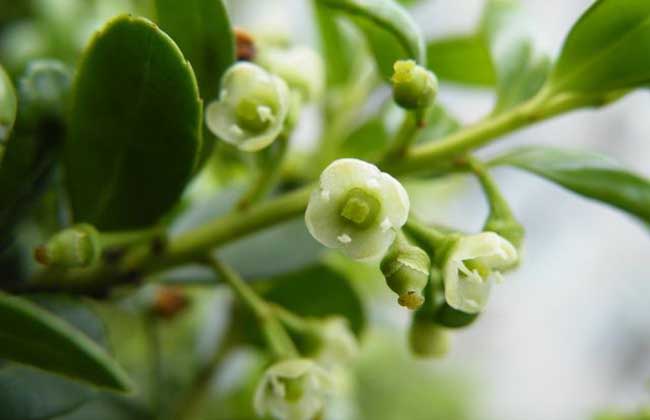
Serissa, also known as Snowbush, White Horse Bone, Small-leaved Holly, etc., is an evergreen small shrub of the genus Serissa in the family Rubiaceae. It fears strong light, prefers a warm climate, and is also somewhat cold-tolerant and drought-tolerant. It prefers well-drained, fertile, moist, and loose soil. It has low environmental requirements and strong growth vigor. Cutting propagation and division propagation are commonly used. Let's take a look at the propagation methods for Serissa below!
Cutting propagation
Serissa is very tough and easy to root from cuttings. For cutting time, dormant branches are used in February to March, and semi-mature branches are used in June to July. Cut 6-8 cm long cuttings and insert them into slightly acidic fine sandy loam. Build a shade frame for shading. After inserting, pay attention to watering and keep the seedbed moist. Inserted branches root very easily. Several cuttings can also be inserted together. By October to November, they can be potted and transplanted. The seedlings inserted together are divided into single plants for transplanting. Softwood cuttings can also be done in summer and early autumn.
Division propagation
Division propagation of Serissa is often carried out in March in spring. Transplanting can be done in all four seasons, with February to March in spring being the best.
Broadcast cutting propagation
Serissa can also use broadcast cutting propagation. Using vacant green space, loosen the soil, break up soil clumps, and level it. Evenly scatter one to two node branches (about three cm) trimmed off onto the previously prepared ground. Tread firmly or press the surface soil with an object, and water thoroughly. Afterward, spray water once every other day. After ten days, rooting begins and branch buds sprout. After twenty-five days, apply the first diluted liquid fertilizer. At fifty days, apply a 1:1000 urea solution once to promote seedling growth. After two months, they can be transplanted and established. After four months, they can be potted and cultivated, and initial insertion can also be carried out at the same time. After one year, a relatively ideal stump bonsai with exposed hanging roots can be formed. If used as a hedge, it will take shape in just half a year.