How Often to Water a ZZ Plant? A Detailed Guide to the Correct Watering Frequency
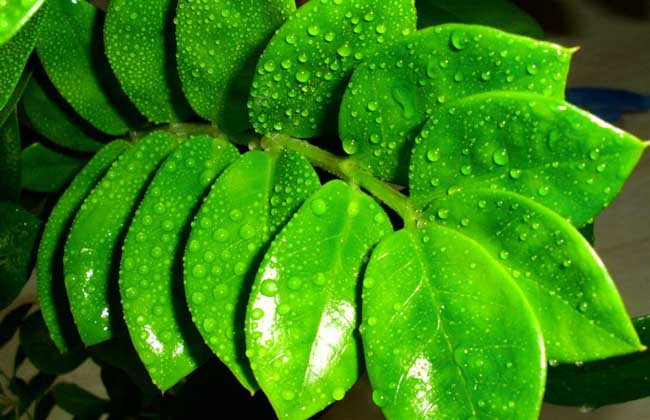
The ZZ plant (Zamioculcas zamiifolia) is a perennial evergreen foliage plant of the genus Zamioculcas in the family Araceae. It is a fairly popular large indoor bonsai, especially when placed in a relatively spacious living room, study, or sitting room, where it lends an elegant, understated style with a touch of southern charm. During cultivation, special attention must be paid to watering. Let's take a look below at how often to water a ZZ plant!
How Often to Water a ZZ Plant
When cultivating a ZZ plant, for plants kept in a greenhouse, once the room temperature reaches above 33°C, the plant should be misted once a day. Because this plant has strong drought tolerance, it is best to keep the potting soil slightly moist and on the dry side, though occasionally watering or fertilizing too much will not cause root rot. In winter, be sure to mist the leaf surfaces and the surrounding environment so that the relative air humidity reaches above 50%. After Mid-Autumn Festival, reduce watering, or replace watering with misting, to help the new tender leaves survive the winter safely. In addition, in winter, take special care that the potting soil does not become overly wet; keeping it on the dry side is better, otherwise under low-temperature conditions, overly wet potting soil is more likely to cause root rot and even the death of the whole plant.
How Often to Fertilize a ZZ Plant
The ZZ plant quite likes fertilizer. Besides adding an appropriate amount of composted cake fertilizer or a multi-element slow-release compound fertilizer to the growing medium, during the growing season you can apply a diluted cake fertilizer solution once a month, or use a mixture of 0.2% urea plus 0.1% potassium dihydrogen phosphate. For potted ZZ plants in areas north of the Yellow River and Huai River, an appropriate amount of ferrous sulfate can also be added to the fertilizer solution to prevent physiological yellowing of the leaves. After Mid-Autumn Festival, to help it survive the winter safely, stop applying nitrogen fertilizer and apply 0.3% potassium dihydrogen phosphate solution 2 to 3 times in a row, to promote the hardening and filling out of the young leaf stalks and newly sprouted leaves. Once the temperature drops below 15°C, stop all forms of topdressing, to avoid fertilizer damage to the roots under low-temperature conditions.
Notes on Growing a ZZ Plant
1. Soil mix: The growing medium for a ZZ plant is mostly peat, coarse sand, or washed coal cinder mixed with a small amount of garden soil, with its pH adjusted to between 6 and 6.5, in a slightly acidic state.
2. Temperature requirements: The suitable growing temperature for a ZZ plant is 20-33°C.
3. Watering requirements: To care well for a potted ZZ plant, flower lovers must create an environment for it that is both moist and on the dry side. In commercial cultivation, for plants kept in a greenhouse, once the room temperature reaches above 30°C, the plant should be misted once a day, and watering twice a week is sufficient.
4. Fertilizing requirements: The ZZ plant quite likes fertilizer. Besides adding an appropriate amount of composted cake fertilizer or a multi-element slow-release compound fertilizer to the growing medium, during the growing season the ZZ plant can be given 2-3 applications per month of a mixture of 0.2% urea plus 0.1% potassium dihydrogen phosphate, or a balanced fertilizer 20-10-20 at a concentration of 200-250 ppm used together with calcium nitrate.
5. Preventing root rot: The most important point in growing a ZZ plant is to prevent root rot. Generally, the cause of ZZ plant root rot is watering-induced root rot. The plant needs to be promptly taken out of the pot, some of the old soil shaken off, placed in a semi-shaded, cool spot to air dry for 1-2 days, and then replanted in fresh sandy loam soil.