Hydroponic Anthurium Growing Methods and Precautions
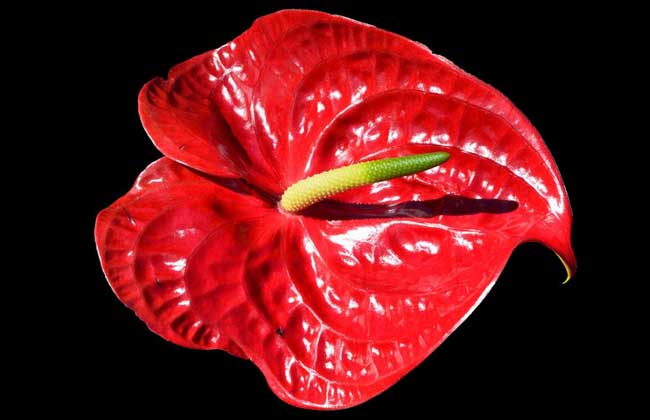
Anthurium is also known as flamingo flower, Anthurium andraeanum, fire crane flower, red crane taro, red goose palm, etc. It originates from tropical rainforest areas such as Costa Rica and Colombia, and has great ornamental value. It prefers warm, humid, and semi-shaded environments, making it very suitable for hydroponics. Let's take a look at the hydroponic Anthurium growing methods and precautions below!
Can Anthurium be grown hydroponically?
Anthurium can be grown hydroponically. Anthurium prefers warm, humid, and semi-shaded environments, making it very suitable for hydroponics. When growing Anthurium, attention must be paid to moisture retention. Not only should the water be changed and replenished, but water should also be sprayed into the indoor space where the Anthurium is grown, so that the leaves retain sufficient moisture. More importantly, water should be sprayed on the Anthurium leaves. Moisture is the key to the fiery red blooms and elegant posture of Anthurium.
Hydroponic Anthurium Growing Methods
1. Transplanting Anthurium: Dig the potted Anthurium out of the soil, cut off rotten roots, fibrous roots, and old leaves, rinse the roots clean with water, place them in a potassium permanganate solution for disinfection, and then rinse the Anthurium again with clean water. If using a transparent glass container for hydroponic Anthurium, it is best to cover the outside of the glass with a black plastic bag to prevent strong light. Cover the top with a transparent plastic bag (for insulation and moisture retention). Place it in a location with scattered light, and keep the temperature above 10°C.
1. Nutrient solution preparation: It is recommended to choose a nutrient solution for foliage plants, and it must be replaced once every 7-10 days. Regularly changing the water for Anthurium can remove the mucus secreted from the Anthurium root system and some algae. Water changes in summer should be more frequent than in winter due to higher temperatures. It is recommended to change the water for Anthurium once every 2-3 days. Do not fill the water too full, to prevent Anthurium root rot. It is best to keep about half of the Anthurium root system exposed above the water surface. This can ensure the roots' absorption of oxygen.
2. Light and temperature: Anthurium prefers semi-shade. A warm, humid environment is also one of the requirements for Anthurium's growing environment. It is afraid of direct sun exposure, so during cultivation, special attention should be paid to its placement. It is best to place it in a location that is ventilated and can avoid strong light. When growing Anthurium hydroponically in summer, note that the surrounding temperature should not exceed 28°C. The relative air humidity should be maintained at 80%. When the weather is relatively dry, spray an appropriate amount of water on the Anthurium leaf surface. In winter, the temperature for hydroponic Anthurium should not be lower than 14°C. Below this temperature, Anthurium is prone to cold damage. Attention should be paid to keeping it warm and increasing the temperature. Also control the air humidity at around 80%, and it must be strictly avoided to place the Anthurium outdoors, otherwise it is very easy to cause cold injury to the Anthurium.
3. Reasonable oxygenation: The difficult problem faced by hydroponic Anthurium is that if the dissolved oxygen content in the water is low, it will cause root rot in Anthurium. Therefore, during hydroponic cultivation, the oxygen content in the water should be increased in a timely manner. The simplest method is vibration: fix the plant with one hand, and hold the container with the other hand and gently shake it more than 10 times. After shaking, the dissolved oxygen content of the nutrient solution can be increased by about 30%. Alternatively, add 1% hydrogen peroxide (3% hydrogen peroxide solution) to the nutrient solution. If conditions permit, a miniature submersible pump or an oxygen pump can also be used to oxygenate the nutrient solution.
4. Selective root removal: When growing Anthurium hydroponically, part of the original soil-grown roots can be removed, which is light root removal. If you want to enhance the root system's ability to adapt to water, you can do heavy root removal.
5. Timely water changes: The root respiration of Anthurium is very strong, so the water must be changed regularly to remove the mucus secreted from the Anthurium root system and some algae, and to cut off old roots and rotten roots. This also helps increase the dissolved oxygen content in the water. Generally, change the water once every 2-3 days, and once a week in winter, adding nutrient solution once with each water change. When growing hydroponic Anthurium, just immerse 1/2 of the Anthurium root system in water, and leave the other roots exposed to the air, so that the Anthurium roots can breathe. Insufficient dissolved oxygen in the water will cause Anthurium root rot.
Precautions for Hydroponic Anthurium
1. Yellowing leaves of hydroponic Anthurium: Anthurium needs to be disinfected. It is recommended to buy a hydroponic acclimation solution at a flower market, which is used to promote rooting. After dilution, it is safe to use for growing flowers. The water temperature should be close to room temperature, and tap water should not be used directly. Yellowing leaves should be trimmed off. Generally speaking, flowers will have yellow leaves, and trimming them is enough. When the flower grows new leaves again, it shows that it is very healthy.
2. How to fertilize hydroponic Anthurium: For hydroponic Anthurium, it is best to use a liquid fertilizer specially designed for Anthurium, because Anthurium has a high demand for magnesium. Therefore, general compound fertilizers are not only mostly alkaline, but also low in magnesium content! After each water change, drip 1-3 drops into the water, depending on the size of the container.
3. Root rot and blackening of hydroponic Anthurium: Hydroponic Anthurium should be placed in a bright place in front of a window where diffused light comes through. Unlike soil-grown flowers, hydroponic flowers must not have direct light shining on their roots. Otherwise, it will inhibit the roots or cause photo-oxidative damage to the roots, causing the roots to turn black and, in severe cases, rot and lose activity. The rotten roots need to be cut off, and then the root system can be fully immersed in the nutrient solution.
4. Controlling humidity for hydroponic Anthurium: High temperature and high humidity are beneficial to the growth of Anthurium. When the indoor temperature is above 28°C, the relative air humidity needs to be increased. At this time, tools such as a humidifier can be used to increase the air humidity.