Is Monstera Deliciosa Toxic? Safety Tips for Growing It Indoors
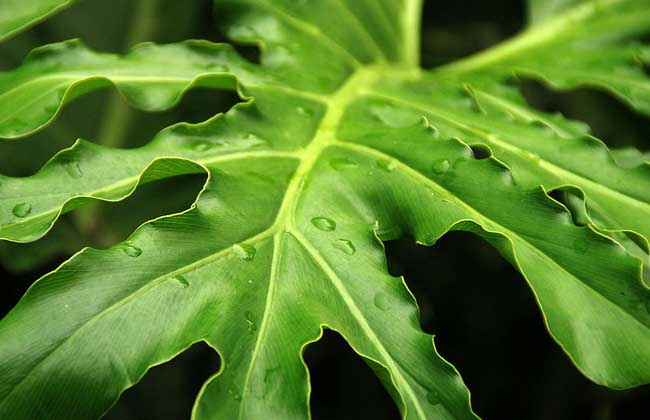
Monstera deliciosa (also known as the Swiss cheese plant) belongs to the genus Monstera in the Araceae family. Although it is not a multi-purpose air purifier like spider plants or aloe vera, its effect on removing formaldehyde from the air is quite noticeable, and it has the ability to absorb carbon dioxide at night, greatly helping to improve indoor air quality and increase oxygen levels. Now let us take a look at whether Monstera deliciosa is toxic!
Is Monstera Deliciosa Toxic?
Monstera deliciosa is mildly toxic. It is listed as a toxic plant in the Chinese Plant Species Database, and its toxicity lies in the irritating and corrosive effects of its sap: skin contact causes pain and burns, and the unripe fruit flesh contains needle-like calcium oxalate crystals that burn the tongue if eaten. However, its toxicity is much milder than that of the Alocasia (Alocasia macrorrhizos) of the same family. The toxicity of Monstera deliciosa mainly takes effect through deep contact and ingestion. As long as you do not eat its sap or rub the sap into your eyes or wounds, its toxicity will not cause harm to people.
The Benefits of Monstera Deliciosa
1. Ornamental value: Monstera deliciosa has a very graceful plant shape, unusual leaf shapes, and stays emerald green all year round, so fresh and vivid that it seems about to drip. Its aerial roots extend very long and can twine around, giving it a rather charming character and a special sense of beauty. It is an outstanding choice among foliage plants. Large Monstera plants are suitable for display in entrance halls, living rooms and conference rooms, while small and medium-sized plants are suitable for the home, giving the environment an elegant atmosphere. In some places it is planted beside trees or in slightly shaded spots such as house corners, left to grow and climb freely, where it grows extremely vigorously.
2. Air purification: Monstera deliciosa has the ability to absorb carbon dioxide at night, which greatly helps to improve indoor air quality and increase oxygen levels. It has the characteristic of preferentially adsorbing harmful gases such as formaldehyde, benzene and TVOC, achieving the effect of purifying indoor air, making it an ideal indoor plant.
3. Edibility: Besides its ornamental beauty, the flowers and fruit of Monstera deliciosa also have some edible value. The spadix is tender and juicy, and in its place of origin it is often eaten as a top-quality vegetable, cool and refreshing. The yellow spathe outside the inflorescence is quite thick and fleshy, and can be eaten raw or coated in batter and fried in oil. The berries of Monstera deliciosa have an even better flavor and can be eaten as a fruit; they taste similar to pineapple and can also be made into a beverage with an excellent taste.
4. Feng shui value: Placing Monstera deliciosa in the home has a certain feng shui effect, but attention must be paid to where it is placed. In the north, the place of Ren and Gui water, Monstera deliciosa is used as the Black Tortoise; specifically, placing it at the study door can increase official luck and add fortune and prosperity. Placing Monstera deliciosa in an elderly person's bedroom can add fortune and longevity and benefit the elderly.
How to Grow Monstera Deliciosa
1. Light: Monstera deliciosa likes a warm and humid environment, dislikes drought, and fears direct sunlight, otherwise it easily develops withered leaves. In summer, Monstera deliciosa should be placed indoors or under a shade canopy, and must not be placed on a balcony with overly strong sunlight for exposure, as this can very easily kill it. When the winter temperature drops to 6°C, Monstera deliciosa should be moved indoors to keep warm.
2. Watering: Monstera deliciosa needs plenty of moisture, and the potting soil must be kept moist at all times. During the summer growing period, water once in the morning and once in the evening, and also sprinkle the leaves frequently to keep the foliage bright and the air humid. In winter, when water evaporates slowly, water once every 3-4 days; for routine watering, once a day is enough.
3. Fertilizing: Monstera deliciosa is a plant that quite likes fertilizer, so attention should be paid to fertilizing it appropriately. During its growing period, apply a diluted cake fertilizer solution once every half month. With sufficient and appropriate fertilizing, Monstera deliciosa will grow with pleasing leaf color.
4. Pests and diseases: Monstera deliciosa is very susceptible to scale insect damage, and the stems and leaves are the most easily attacked by scale insects. They can be cleaned off with an old toothbrush and then sprayed with a 1000-fold dilution of 40% omethoate. Common diseases of Monstera deliciosa include leaf spot, gray leaf spot and stem blight, and timely prevention and control are needed.
5. Repotting: Potted Monstera deliciosa needs to be repotted once a year, and the best time to repot is between March and April. When repotting, remove the old soil, cut off the dead roots of Monstera deliciosa, and then add decomposed organic fertilizer or phosphorus and potassium fertilizer to the pot as a base fertilizer.