Is the bromeliad poisonous? Learn the facts before keeping one at home
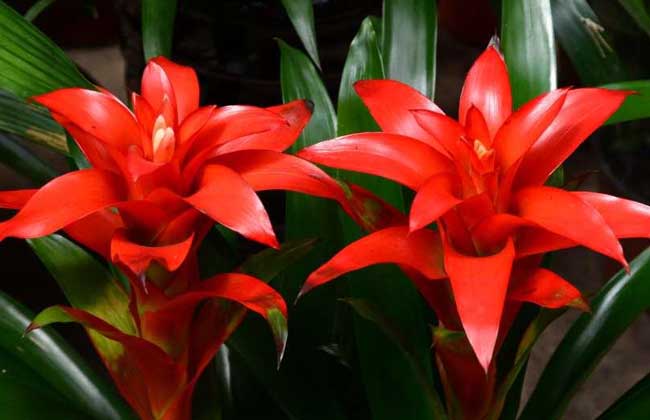
The bromeliad is also known as the ornamental bromeliad, pineapple flower, and so on. It originates from the jungles of Mexico, southern Brazil and northern Argentina, and is a well-known indoor foliage and flowering plant. The ornamental bromeliads currently popular in our country include the urn plant, earth star, queen's tears, variegated pineapple, and silver vase bromeliad, among others. Let us take a look below at whether the bromeliad is poisonous!
Is the bromeliad poisonous?
The bromeliad is not poisonous. The bromeliad itself is non-toxic, but the extract from the leaves and stems of the bromeliad is a prototype of an anesthetic, and the oxygen produced by photosynthesis contains a small amount of alkaloids. After a slightly longer time, it can cause symptoms such as dizziness and nausea, and over a long period it can cause hallucinations and numbness in the hands and feet. Therefore, it is best to place the bromeliad outdoors, or cut off its flowers and put them in a vase indoors, which is both healthy and decorative.
The benefits of the bromeliad
1. Ornamental value: The bromeliad is a flowering and foliage plant with very strong ornamental value. It is very suitable for indoor decoration, and can especially be cultivated indoors; as a home gardening ornamental plant it is highly refined.
2. Air purification: The bromeliad can not only absorb carbon dioxide from the air, but also purify the air in a room. It can also absorb the radiation emitted by computers and mobile phones; this effect is similar to that of the cactus. Therefore, the bromeliad is a good helper for purifying the air.
How to grow the bromeliad
1. Soil requirements: For growing the bromeliad, loose peat soil, humus soil, and tree fern fragments mixed into a culture soil are best. If growing it at home, it is best to use leaf mold plus a small amount of garden soil, or mix peat soil and perlite in equal halves. Choosing the right soil allows the bromeliad to absorb water better, so the soil requirement is also very important.
2. Suitable temperature: If you want to grow the bromeliad well, then first of all the temperature requirement must be understood. Generally, the optimal growth temperature for the bromeliad is 20°C to 30°C. The highest temperature should not exceed 35 degrees, and the lowest should not be below about 10 degrees. Temperatures that are too high or too low will have adverse effects on the bromeliad, so the temperature requirements of the bromeliad must be grasped.
3. Suitable light: The bromeliad still has a certain demand for light, which also stems from the environment in which the bromeliad grows. The bromeliad is a shade-loving plant, so it cannot be exposed to direct sunlight. When it is exposed to sunlight for too long, some of the leaves will turn yellow. At the same time, it also needs an appropriate amount of light for photosynthesis, so the bromeliad is suitable for being placed in a semi-shaded spot or by a bright window, or grown indoors.
4. Moderate moisture: According to the growth requirements of the bromeliad, its demand for soil moisture should not be too high, nor too low. Make sure the soil surface in the pot is slightly dry. The leaf base of the bromeliad has a leaf cup, and below the leaf cup there is a water reservoir. Make sure there is always water in the reservoir and that it is not interrupted. At the same time, also pay attention to spraying a little misty water on the bromeliad leaves, which can also ensure air humidity to meet the growth requirements of the bromeliad.
5. Reasonable fertilizing: No matter what plant it is, the demand for nutrients is essential. The bromeliad mainly absorbs nutrients through its leaf cups, so during the growth period of the bromeliad, apply nitrogen fertilizer once a week, and appropriately increase the application of phosphorus and potassium fertilizers before flowering to promote larger flowers and vivid colors. Applying an appropriate amount of fertilizer is also an essential process for growing the bromeliad well, so during the growing process, also pay more attention to applying an appropriate amount of fertilizer to the bromeliad.