A detailed guide to ivy propagation methods, easy for beginners to get started
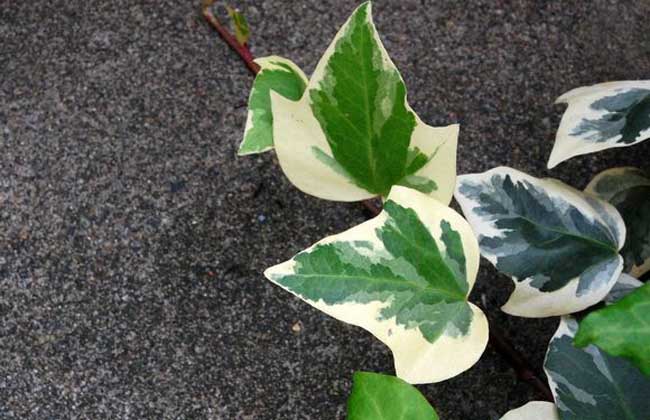
Ivy has strong adaptability to the environment and is a relatively popular indoor foliage plant. It can both decorate the home and is also relatively beneficial for purifying and improving household air. Its propagation methods mainly include seed propagation, cutting propagation, and seed propagation. Now let us take a look at ivy propagation methods together!
Seed propagation
Harvest when the fruit is ripe, pile it up for after-ripening, soak in water and rub, wash clean and dry in the shade, then sow. It can also be stored mixed with wet sand and sown in spring the following year. After sowing, cover with 1 cm of soil, cover with grass to retain moisture, and build a shed for shade after the seedlings emerge. In the second spring, transplant or grow large seedlings after thinning.
Layering propagation
Carry out in spring and autumn using the serpentine layering method. After ring-barking the part buried in soil, it roots very easily. This is a relatively simple propagation method.
Cutting propagation
For ivy cutting propagation, it is generally suitable to take cuttings in spring from April to May and in autumn from August to September. When taking cuttings, use loose, well-aerated, well-drained sandy soil as the substrate. For hardwood cuttings in spring, cut robust woody branches from the ivy and cut them into strong 15-20 cm long cuttings, keeping 2 to 3 leaves at the upper end. After cutting, keep the soil moist and place under side-shade conditions, and they will root quickly. For softwood cuttings in autumn, use semi-woody young branches and cut them into 15-20 cm long cuttings containing 3-4 nodes with aerial roots. After cutting, provide shade and often keep the soil moist. Generally, 20-30 days after cutting, they will root and survive.