Ivy's Flower Language and Legends, Explained in One Article
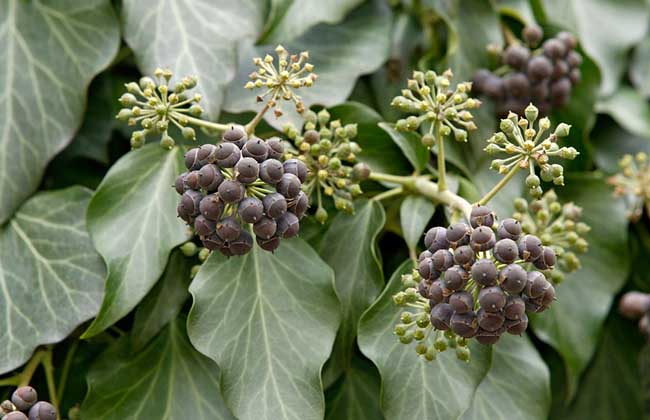
Ivy, also known by other names such as tuduteng and zuantianfeng, is a perennial evergreen climbing shrub of the genus Hedera in the Araliaceae family. It has an elegant, simple and fresh style, and is often kept indoors as a large potted plant. When allowed to climb over an entire wall, its vines and leaves stir when the wind blows, looking very beautiful. It is deeply loved by people around the world. Let us take a look below at ivy's flower language and legends!
Ivy's Flower Language
United love, loyalty, friendship, affection. Ivy was once considered a magical plant and symbolizes loyalty. In Greek mythology, ivy represents Dionysus, the god of wine, and carries the symbolic meaning of joy and vitality, while also symbolizing immortality and eternal youth.
Ivy's Symbolic Meaning
Ivy is a very lovely evergreen vine plant, foretelling that spring will stay forever, and therefore it has the beautiful name “changchunteng” (ever-spring vine), and is deeply loved by people. Giving ivy to a friend expresses that the tree of friendship stays evergreen. If a friend is getting married, the bride's bouquet will also include the beautiful presence of ivy, wishing them “a happy marriage and a lifelong union.” At weddings, you will find that the bride often has a piece of green plant tucked in her hair, and that is ivy used to ward off evil. The bride's bouquet also includes the beautiful presence of ivy, symbolizing that life will not be affected by petty people or demons and monsters, while a man wearing it can discern a lover's likes and dislikes. In addition, ivy also represents loyalty, marriage, love, friendship and affection, representing friendship or love that stays forever fresh and never fades.
Ivy's Legend
Ivy was a kind and beautiful young girl, and John was a handsome and strong young man. This happy pair of lovers was blessed by relatives and friends. John decided that after this year's grape harvest, he would marry his beloved Ivy. He worked twice as hard every day, watering and weeding in the vineyard. Ivy stayed by his side every day, singing to cheer him on. Ivy's singing voice was so crisp and sweet that every day when she began to sing, all the birds would stop and listen quietly!
One day the king went out hunting. Riding his horse past the vineyard, he heard Ivy's moving song and was deeply intoxicated. He followed the singing and found Ivy, discovering that she was the most beautiful girl he had ever seen, and immediately decided to marry Ivy as his bride. The king ordered his guards to take Ivy back to the castle. And to prevent John from seeking revenge, John was also captured and brought back to the castle.
The king locked Ivy in the tower on the west side of the castle, and imprisoned John in the tower on the east side. Although Ivy refused to become the queen of this domineering king, the king's command could not be changed. He ordered that the royal wedding be held the day after next, and on the same day, John would be hanged.
A kindhearted maid secretly told Ivy this news. Ivy was anxious, frightened and heartbroken, and cried alone in the tower all night. When the sun rose again from the east, she looked at the east tower surrounded by golden sunlight and softly began to sing as she had in the past. The morning was very quiet, and the song crossed the castle and drifted into John's ears. Although Ivy's singing was soft and delicate, to John it sounded as loud as thunder. Ivy sang firmly: Even in death, I will not leave you.
Lovers always share a tacit understanding. Late that night, Ivy quietly leaped down from the window. The earth goddess saw what happened to this pair of steadfast lovers who died for love, and she opened her arms to receive both of their bodies. Then, something magical happened! An ivy plant grew from the east tower and the west tower respectively. The stems and leaves of these two ivy plants grew rapidly. They covered the ground and crawled over the walls. Their vines entwined with each other, branch crossed with branch, leaf overlapped with leaf, and in a single night they covered both castles. People could not tell which plant came from the west tower and which one grew from the east tower.