Is English ivy toxic? Learn about its toxicity before growing it
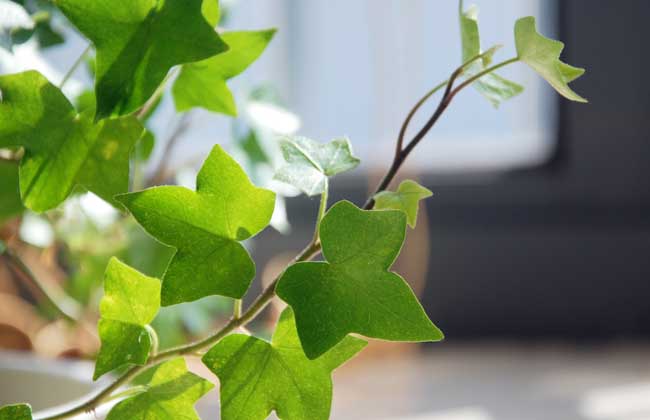
English ivy (Hedera helix) is a perennial evergreen climbing shrub of the genus Hedera in the Araliaceae family, with beautiful leaf shapes and evergreen foliage year-round. It is often used for vertical greening in various parts of the south, mostly planted beside rockeries, at the base of walls and other such places, but the leaves, fruits and other parts of English ivy are all toxic. As long as you do not eat it when growing it, you will not be poisoned. Let us take a look together below!
Is English ivy toxic?
English ivy is toxic. According to relevant records, the fruits, seeds and leaves of English ivy are all toxic. Accidental ingestion by children can cause symptoms such as abdominal pain and diarrhea, and in severe cases can trigger gastrointestinal inflammation, coma, and even lead to breathing difficulties and so on.
The uses of English ivy
1. Landscaping use: English ivy is an important material for indoor hanging cultivation, combination cultivation, green sculpture cultivation and outdoor greening applications. It is a woody evergreen vine that climbs by means of well-developed adhesive aerial roots, with stems reaching up to 30 m long, dense branches and leaves, evergreen in all seasons, tolerant of pruning, and suitable for shaping.
2. Medicinal use: English ivy has the effects of dispelling wind and eliminating dampness, promoting blood circulation and reducing swelling, calming the liver and detoxifying. It is mainly used for rheumatic joint pain, low back pain, traumatic injuries, hepatitis, dizziness, facial paralysis, nosebleeds, eye cataracts, acute conjunctivitis, nephritic edema, amenorrhea, carbuncles and swollen toxins, urticaria, eczema and other conditions.
3. Ecological use: In a room of about 10 sq m, it can eliminate 70% of benzene, 50% of formaldehyde and 24% of trichloroethylene. Since harmful gases such as formaldehyde in newly renovated houses are continuously released, keep plenty of ventilation after renovation and grow a few pots of English ivy and other green plants. Generally, after a new house has been left vacant for three to six months, it can basically meet the standard for moving in.
How to grow English ivy
1. Temperature: The optimal temperature for the growth of English ivy is 20°C-25°C. It fears heat and is not cold-tolerant either. Therefore, when growing English ivy indoors, pay attention to providing ventilation and cooling in summer. In winter, the room temperature is best kept above 10°C, and not lower than 5°C, otherwise English ivy is prone to cold damage.
2. Light: Although English ivy likes light, it is also fairly shade-tolerant. When growing it, the placement position is quite flexible. But you still need to pay attention to avoiding direct sunlight, otherwise it is prone to sunscald, with leaf margins and leaf tips scorching and withering.
3. Watering: English ivy should not be watered too much at ordinary times; during the growing season, water according to the principle of watering when dry and stopping when wet. If the potting soil is too moist, it easily causes root rot in the plant. In winter, when the temperature is lower, English ivy grows relatively slowly, so watering should be controlled, and it is enough to keep the potting soil slightly moist. English ivy is a foliage plant. In the dry winter climate of the north, it is best to spray and wash the branches and leaves once a week with clean water at a temperature close to room temperature, to keep the leaves clean and emerald green.
4. Fertilizing: When growing English ivy at home, appropriate fertilization can be applied. Generally, do not fertilize in summer and winter. During the peak growing season, apply a dilute cake fertilizer solution once every 2-2 weeks, and you can also spray a 0.2% potassium dihydrogen phosphate solution on the leaves, which will make the leaf color even more beautiful. However, note that when fertilizing, do not apply too much nitrogen fertilizer, and do not let the fertilizer solution stain the leaves, so as to avoid causing the leaves to scorch and wither.
5. Disease prevention: If English ivy is not managed properly, it may suffer from leaf spot disease, scale insects, red spider mites and other pests and diseases, and pesticide sprays should be applied promptly for treatment.