Detailed Guide to Hydroponic Cultivation Methods for Peace Lily
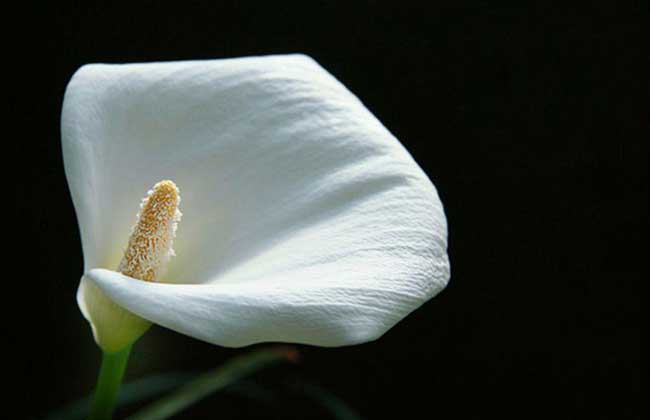
Peace lily is also known as spathe flower, bract-leaf taro, etc., and is an important ornamental flower in the world. Hydroponically grown peace lilies let you admire both its tender white root system and the lovely small fish swimming among the roots, truly a delight to the eyes. Now let us take a look at the hydroponic method for peace lily!
Hydroponic Cultivation Methods for Peace Lily
1. Wash the glass bottle clean and wash the pretty small stones clean. Place the stones on a small filter; this kind of container can be bought at a flower shop or a utensil shop, just one is enough. Fill the glass bottle with water and put the peace lily into the bottle, being careful to prevent the leaves from being scraped off.
2. Because peace lily fears strong direct sunlight and likes water, in summer you should spray some water on its leaves every other day.
3. Once the peace lily has grown some roots and stems in the glass bottle, check whether its roots have any rotting spots, and remove them promptly if there are any.
4. If the leaves of a hydroponic peace lily turn yellow, and the yellowing is mild, it can continue to be grown in water; if the yellowing is severe, it must be transplanted into soil for cultivation.
Precautions for Hydroponic Peace Lily
1. Change the water every 15-20 days in hot weather, and about once a month in cold weather. The water level should reach three-quarters of the root system, just enough to submerge it. When changing the water, simply pour in a few drops of special nutrient solution for hydroponic flowers.
2. Usually scattered light is enough; avoid light in summer, and avoid direct strong light.
3. Use nutrient solution for foliage plants.
4. Spray water on the leaves appropriately to increase air humidity. If using tap water, it must be drawn in advance and left in the air for more than one day to fully dissolve oxygen and release chlorine. When changing the water, wash away the mucus on the roots and cut off rotten roots and scorched leaves.
5. Choose a flowerpot with a relatively large bottom, as this makes it easier to survive.
Yellowing Leaves of Hydroponic Peace Lily
1. Dry air: Peace lily needs relatively high growing humidity. If the air is too dry, it will cause the leaves to wilt. This can be solved by increasing spraying or sprinkling water on the floor of the environment. Covering it with a transparent plastic bag also works, but when the light is good, it should be ventilated slightly or a hole should be opened at the top of the plastic bag for ventilation, otherwise the temperature inside the bag will rise sharply.
2. Nutrient deficiency: We all know that in the early stage of plant growth, nutrients are absorbed from the soil. Over time, the nutrients in the soil will decrease, causing malnutrition. With too much fertilizer or freezing damage, the leaf tips tend to turn yellow. At this time, nutrient solution should be supplemented promptly.
3. Improper lighting: Peace lily needs relatively good light in winter and early spring, and should not be kept in shade. When the light gradually becomes stronger, it should be gradually shaded. If it is enjoyed in a shaded place, it must not be placed directly in the sun for exposure, otherwise it will become uncomfortable due to the rapid change in environment, showing wilting, yellow leaves, or even death. Peace lily should be kept year-round indoors in a place with bright scattered light.
4. Unsuitable temperature: This generally does not happen easily. Yellowing leaves of peace lily mostly occur when the temperature is below 5°C or above 35°C. Providing sufficient light conditions not only helps the leaves become dark green but also helps it overwinter.
5. Pest infestation: If there is damage from mite pests, the leaves of the peace lily will show adverse symptoms such as wilting, faded luster, and yellowing and withering. Pesticides specifically for killing mites can be sprayed for control, such as dicofol, hexythiazox, pyridaben, etc.