What are the benefits of the Peace Lily? A comprehensive analysis of its main functions
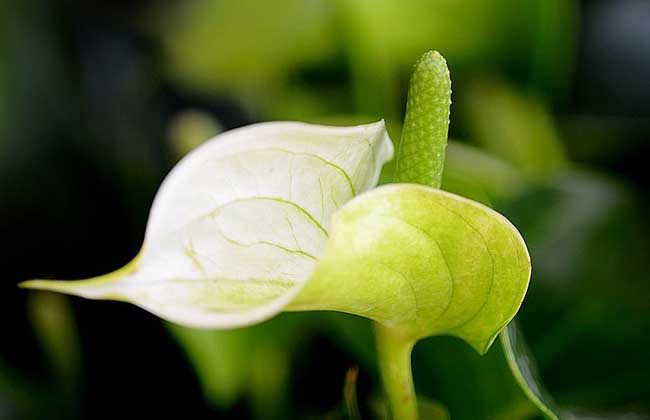
The Peace Lily is an excellent foliage plant. It can be planted in the ground in southern regions, while in other areas it is mostly grown in pots for ornamental purposes. Its benefits go far beyond simple ornamentation, so do not underestimate it. Its high transpiration rate can prevent nasal mucous membranes from drying out and greatly reduce the likelihood of illness. Especially in the dry winter, placing a pot of Peace Lily in the home can make the body more comfortable. Let us take a look together below!
The ornamental value of the Peace Lily
Because its leaves resemble those of the arrowroot and its flowers closely resemble a crane holding its head up high, standing gracefully and spotlessly white, the Peace Lily gives people a sense of “purity, calm, peace and well-being” and is regarded as the “flower of innocence.” Because people feel it carries an auspicious meaning, they have specially given it the elegant name “Peace Lily” based on the beauty of its flower's appearance.
The functional benefits of the Peace Lily
1. The Peace Lily can filter benzene, trichloroethylene and formaldehyde from the air, which is of great help to human health, especially for newly renovated homes.
2. The Peace Lily can inhibit waste gases exhaled by the human body, prevent nasal mucous membranes from drying out, and greatly reduce the likelihood of illness. Its help to people's bodies can be described as direct and also very significant, which is also an important reason why many people choose to grow it.
How to grow the Peace Lily
1. Watering: The Peace Lily has a relatively high demand for water and the potting soil must be kept moist at all times, but overwatering must also be avoided. Once overwatered, a large amount of water accumulates in the pot, which can easily cause root rot and yellowing and withering of the plant. In addition, note that in summer and during drought, water should often be sprayed on the leaves and ground to increase air humidity, which is conducive to its growth.
2. Light: The Peace Lily is relatively shade-tolerant, so it is suitable for growing in a semi-shaded environment. Direct sunlight must be avoided. According to experiments, about 60% scattered light can meet the growth needs of the Peace Lily, so it can be grown year-round indoors in a place with bright scattered light. If it is placed under strong light, the leaves will turn yellow and may even be directly sunburned.
3. Temperature: The Peace Lily likes high temperatures and is especially afraid of cold. Its most suitable growth temperature is 20-28°C. Once winter arrives, it must be brought indoors. The lowest temperature it can tolerate is 10 degrees, so attention must be paid in winter. Relatively speaking, growing conditions in the north are too poor. If the Peace Lily is placed at low temperatures for a long time, it will cause root rot, leaf drop or scorching and yellowing, and in severe cases may even lead to death.
4. Potting soil: Potting soil is the foundation of cultivation. During the growth period, the Peace Lily should be kept with moist potting soil at all times, but water accumulation in the pot should be avoided. Long-term water accumulation in the potting soil will cause root rot and yellowing and withering of the plant. If this happens, remove it from the pot, then dry it out, and put it back in again.