A detailed guide to the propagation methods of the peace lily, with step-by-step instructions
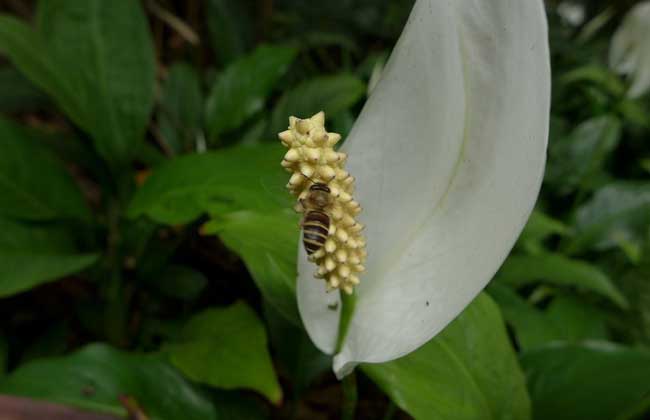
The peace lily (Spathiphyllum, family Araceae) is a perennial herbaceous plant native to tropical America. It prefers high temperatures, high humidity and semi-shaded conditions, and is an important ornamental flower worldwide. It began to be used for potted ornamental display in the early 20th century. Its propagation methods mainly include division, sowing and tissue culture. Let's take a look below at the propagation methods of the peace lily!
Division propagation method
Generally speaking, the peace lily will not sprout before it is absolutely mature, so the growing point is often artificially damaged, and each plant can yield 3-5 buds. When the new buds grow to about 15 cm, cut them apart and insert them into coarse sand, then wait for them to take root. Note here that when cutting, a portion of the stem must be included, and then wood ash should be applied to the wound to prevent rot.
Sowing propagation method
The sowing propagation method is a method often used in cultivation bases, but it has one difficulty: it requires artificial pollination, and many people run into problems here. So it needs to be specially explained: the white thin sheet-like part is not the flower; the protruding part in the middle is the flower. Therefore the flower is relatively small. When the flower has pollen, use a clean writing brush to smear it on the flower and the pollination work is complete.
Tissue culture method
Although the tissue culture method has many advantages, to date it has not been widely used in China and is only used in experiments. Generally, the tissue culture method involves first planting in plastic pots, and after it grows to 4-5 leaves, dividing and transplanting it, then after 3-4 rounds of repotting and transplanting, when the seedlings are 30 cm tall, planting them conventionally.