How to propagate magnolia? A detailed introduction to common propagation methods
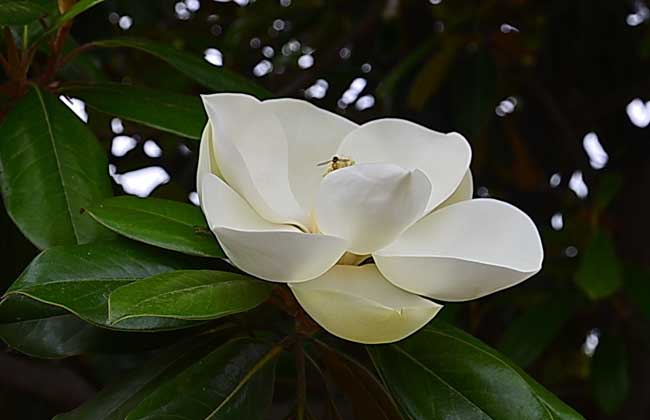
Magnolia, also known as mulan, white magnolia, etc., is a famous ornamental plant and traditional flower of the Magnolia genus in the Magnoliaceae family. It is native to the central provinces of our country, prefers a warm and humid environment, is very sensitive to temperature, has a certain resistance to low temperatures, and can safely overwinter at -20C. Its propagation methods mainly include seed propagation, grafting propagation, cutting propagation and layering propagation, etc. Let's take a look together below!
Seed propagation of magnolia
Magnolia is best sown in autumn. When the seeds mature in September-October, sow them as soon as they are collected. The seeds can also be stored in sand until March-April of the following spring for sowing. Before sowing, soak the seeds in warm water at about 50°C to remove the waxy layer on the outside of the seeds. To remove the waxy layer, you can either rub them with sand, or soak them in 0.5% alkaline water or plant ash water for 1-2 days. Sow in furrows in rows. Choose fertile sandy loam for the seedling bed. After sowing, cover with 2 cm of soil, water thoroughly, cover with grass, and keep the soil moist at all times. Generally, seedlings emerge after about 2 months. Shade is needed in summer, and protection against freezing is needed in winter. Transplant in the following spring after the soil thaws.
Grafting propagation of magnolia
Grafting propagation is the most commonly used method for propagating magnolia. It can not only maintain the quality of excellent varieties, but also make them bloom 2-3 years earlier than seedlings. When grafting, 2-3 year old magnolia seedlings should be selected as rootstock. Bud grafting is carried out in July-August, and cut grafting is carried out in autumn. After cut grafting, the scion should be completely covered with soil, and the covering soil should be removed in late spring of the following year. Cut grafting can also be carried out in a greenhouse (autumn or winter). After grafting, store in wet sand. After the graft union heals, transplant before sprouting in the following spring.
Cutting propagation of magnolia
Because magnolia cuttings do not root easily and the survival rate is low, this propagation method is generally rarely used. However, if before cutting the base of the cutting is dipped in rooting powder or soaked in a 25 ppm naphthaleneacetic acid solution for 20 hours, it can promote rooting and increase the survival rate. Cut in June-July. The cuttings are taken from 1-year-old branches on the mother white magnolia plant. The cuttings are 15 cm long, with 2 leaves retained at the upper end, and 1/3-1/2 of each leaf blade is cut off. After cutting, pay attention to shading and watering, and keep the soil moist at all times.
Layering propagation of magnolia
Layering propagation of magnolia is also a relatively commonly used propagation method, mainly divided into ordinary layering and air layering.
1. Ordinary layering: Ordinary layering is best carried out in February-March. Cut halfway through the base of the branch to be layered, then cut upward for a section, insert a tile in the middle, then gently press it into the soil without breaking it. Insert a U-shaped thick iron wire into the soil to fix it and prevent it from tilting up, then pile soil on top. For spring layering, once root buds appear, it can be cut off and transplanted.
2. Air layering: Before the dog days, select strong and disease-free young branches on the mother plant (1.5-2 cm in diameter), cut a slit at the lower part of the fork, then cover with a bamboo tube or a bottomless clay pot, fill it with culture soil, tie it tightly on the outside with fine rope, be careful not to disturb it, spray a small amount of water frequently, and keep it moist. New roots can grow around May of the following year, then remove it and plant it in place.